

Queue raises $18.6 million to build a pharmacy that runs itself
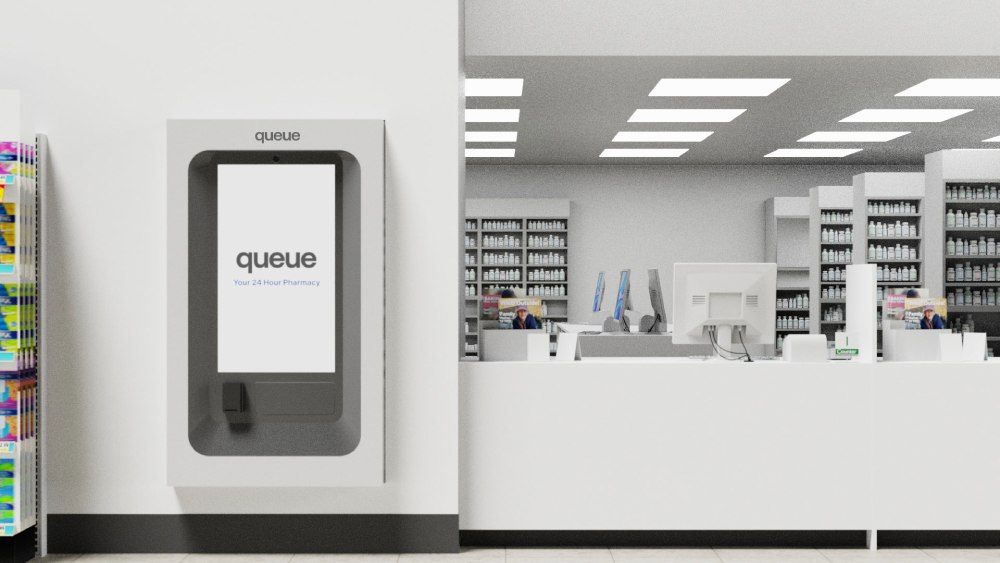
Nearly one in three pharmacies in the United States has closed since 2010. Technician vacancies run above 40% at some institutions. And pharmacy schools are producing thousands fewer graduates than the market needs. Into that gap steps Queue, a Palo Alto startup that has just come out of stealth with a working robotic pharmacy system and $18.6 million in total funding.
The company closed a $12.6 million seed round led by AlleyCorp, following a $6 million pre-seed from Riot Ventures less than a year ago. House Capital, Ubiquity Ventures, Grep Ventures and Banter Capital also participated.
Queue has already signed a major national pharmacy chain as a customer and deployed a working prototype for early commercial validation.
How does it work?
The system accepts sealed wholesale pill bottles at one end and produces filled, verified prescription vials at the other, with no pharmacist on-site required. It currently supports 250 of the most commonly prescribed medications in the US. Queue says the platform can be deployed across retail locations, hospitals, rural communities, and other settings where pharmacy access is limited. The company claims prescription fulfillment costs up to 96% less than traditional pharmacy operations.
Why does it matter?
The US retail pharmacy market is worth $670.6 billion, but the economics are deteriorating fast. Pharmacies are losing money on a growing share of prescriptions because of negative reimbursements, staff shortages are driving human error risks, and so-called pharmacy deserts are widening. Queue is not just automating a task. It is replacing an entire operational model.
Co-founder and CTO Josh Liu put it plainly: "Pharmacy in America is structurally broken. We built the machine the industry has needed for decades."
The context
For GCC health planners watching this space, the implications are real. Saudi Arabia and the UAE are both investing heavily in hospital infrastructure and last-mile healthcare delivery as part of broader national health strategies. Autonomous dispensing technology of this kind could support pharmacy access in underserved areas, reduce reliance on imported pharmacy labor, and cut operational costs across public and private health networks. Queue is US-focused for now, but the model travels.
Latest @
Blueprint lands in the UAE as longevity moves from policy to product
M42 launches 10,000-patient wearable pilot in Abu Dhabi to reshape chronic disease care
Unilabs Middle East and Takalam link diagnostics to mental health in one app
Al Ghurair enters healthcare with Trellis Health launch in Dubai
💡Did you know?
You can take your DHArab experience to the next level with our Premium Membership.👉 Click here to learn more
🛠️Featured tool
 Easy-Peasy
An all-in-one AI tool offering the ability to build no-code AI Bots, create articles & social media posts, convert text into natural speech in 40+ languages, create and edit images, generate videos, and more.
👉 Click here to learn more
