

Qatar University’s GlucoWatch aims to end the finger-prick era of diabetes monitoring
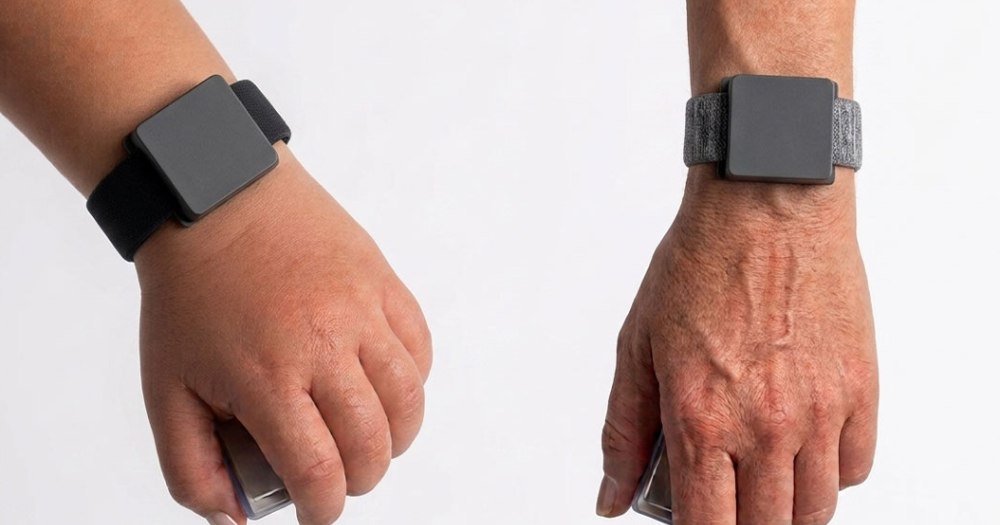
Diabetes is one of the most burdensome chronic conditions across the GCC, and the daily ritual of pricking a finger to check blood glucose is something hundreds of thousands of patients endure multiple times a day. Qatar University thinks there is a better way. Researchers there have developed GlucoWatch, a smart wearable device that estimates blood glucose levels without drawing a single drop of blood.
The device was created by a team led by Dr Khalid Abu Al Saud, a researcher and inventor at Qatar University, alongside four computer engineering students: Nora Al Bardini, Mazoon Al Shahwani, Fatima Al Kaabi and Sara Al Muhannadi. A US patent application has been published under the number US20240138776A, giving the project formal international recognition.
What started as a graduation project has grown into a dedicated research initiative, and in 2023 it won a gold medal at the International Invention Fair of the Middle East in Kuwait. That kind of recognition matters. It signals that the concept has been reviewed by peers in the region and found to be credible.
How does it work?
GlucoWatch uses artificial intelligence to estimate blood glucose by reading physiological signals from the body, specifically heart rate and blood pressure, combined with selected demographic data from the user. The device connects to a mobile application, where users can monitor their readings in real time.
The system also issues alerts when glucose levels fall outside medically approved ranges, and it allows users to share their health data with family members or healthcare providers, with privacy protections built in. According to Dr Abu Al Saud, the development process included:
- Designing the physical prototype of the wearable device
- Creating and training the AI algorithms used for glucose estimation
- Building the companion mobile application
- Conducting initial validation tests against conventional reference measurements
The team is now working to expand its database, improve its AI models, and produce a more advanced version of the device. Partnerships with healthcare and industrial organisations are also being explored, with the goal of producing a product that is commercially viable and affordable.
Why does it matter?
Non-invasive glucose monitoring has been a long-standing ambition in medical technology. Several large companies have tried and struggled to bring such a product to market at scale. The GlucoWatch team is not claiming they have solved that problem yet. But they are making measurable progress, and they are doing it from Doha.
For patients, the appeal is obvious. Eliminating the need for repeated finger pricks reduces pain, reduces cost over time, and may improve adherence to regular monitoring. And if the device can eventually integrate with digital health platforms and support remote care, it becomes relevant not just for individual patients but for health systems managing large diabetic populations.
The GCC has one of the highest rates of diabetes prevalence in the world. In Qatar, as in Saudi Arabia and the UAE, diabetes management is a major public health priority. A locally developed, affordable, non-invasive monitoring tool would address a real and documented gap.
The context
Dr Abu Al Saud has explicitly linked the project to Qatar National Vision 2030, which calls for investment in knowledge-based industries and locally driven innovation. That framing is important. Across the Gulf, governments are trying to build research ecosystems that produce applied outcomes, not just academic papers.
This project is a reasonable example of that model working. It originated in a university classroom, attracted student talent, earned international recognition, and is now moving toward commercial validation. The next phase, completing scientific validation and meeting regulatory requirements, will be the harder test. But the foundation is there.
For health policymakers and industry partners across the GCC, GlucoWatch is worth watching. It may not be on pharmacy shelves tomorrow. But it represents exactly the kind of home-grown health technology that Vision 2030 and similar national frameworks were designed to produce.
Latest @
Blueprint lands in the UAE as longevity moves from policy to product
M42 launches 10,000-patient wearable pilot in Abu Dhabi to reshape chronic disease care
Unilabs Middle East and Takalam link diagnostics to mental health in one app
Al Ghurair enters healthcare with Trellis Health launch in Dubai
💡Did you know?
You can take your DHArab experience to the next level with our Premium Membership.👉 Click here to learn more
🛠️Featured tool
 Easy-Peasy
An all-in-one AI tool offering the ability to build no-code AI Bots, create articles & social media posts, convert text into natural speech in 40+ languages, create and edit images, generate videos, and more.
👉 Click here to learn more
