

MBZUAI launches deep phenotyping study to map health and disease in the UAE population
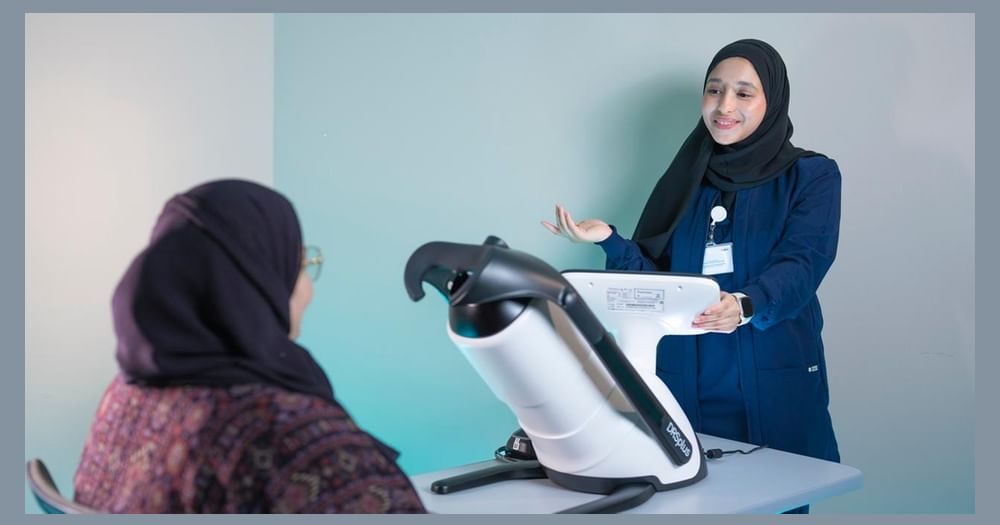
Most health research has been built on data from Western populations. The UAE is now trying to change that. Mohamed bin Zayed University of Artificial Intelligence has launched a long-term deep phenotyping study in Abu Dhabi designed to capture the genetic, biological, and lifestyle factors that drive health and disease specifically in the UAE population. It is an ambitious undertaking, and one that could reshape how medicine is practiced across the region.
How will it work?
Deep phenotyping goes well beyond a standard health survey. Rather than collecting basic clinical data, the study will build detailed, multi-layered biological profiles of participants over time. That means tracking genetic markers, molecular indicators, imaging data, lifestyle habits, and environmental exposures, all in combination. The goal is to identify patterns that predict disease before symptoms appear, and to understand why certain conditions present differently in Arab and South Asian populations than they do in European ones.
MBZUAI is positioning artificial intelligence at the center of this effort. The volume and complexity of data generated by deep phenotyping studies is too large for conventional analysis. AI models, trained on population-specific data, can identify correlations and risk signals that would otherwise remain buried. The study is designed from the ground up with that kind of computational analysis in mind.
Participants will be followed over an extended period, which is what makes this longitudinal rather than a one-time snapshot. That design matters because chronic diseases, metabolic conditions, and genetic predispositions often take years to manifest. Tracking the same individuals across time gives researchers the ability to study how risk accumulates, not just how it presents.
Why does it matter?
The UAE has some of the highest rates of type 2 diabetes, obesity, and cardiovascular disease in the world. And yet the majority of clinical guidelines, drug development pipelines, and risk prediction models used in the country were developed using data from populations that look nothing like the UAE's. That mismatch has real consequences for patients. A risk threshold calibrated on a Northern European cohort may miss or misclassify risk in an Emirati or South Asian patient entirely.
Building a locally grounded evidence base is not just a scientific priority. It's a policy one. Saudi Arabia's Vision 2030 and the UAE's own health strategy both emphasize reducing the burden of non-communicable diseases and building research capacity inside the region. Studies like this one are how that capacity gets built.
The context
MBZUAI has been expanding its health and biological research portfolio steadily since its founding. This study reflects a broader shift across the GCC toward population-level data infrastructure, with initiatives in Saudi Arabia, Qatar, and Bahrain also investing in genomic and health data programs. The difference with deep phenotyping is depth. Where genomic studies focus on DNA, deep phenotyping captures the full biological picture, including how genes interact with environment, diet, stress, and behavior.
For health systems planning across the Gulf, that kind of data is what turns population health from a reactive discipline into a predictive one. This study is a step in that direction.
Latest @
Blueprint lands in the UAE as longevity moves from policy to product
M42 launches 10,000-patient wearable pilot in Abu Dhabi to reshape chronic disease care
Unilabs Middle East and Takalam link diagnostics to mental health in one app
Al Ghurair enters healthcare with Trellis Health launch in Dubai
💡Did you know?
You can take your DHArab experience to the next level with our Premium Membership.👉 Click here to learn more
🛠️Featured tool
 Easy-Peasy
An all-in-one AI tool offering the ability to build no-code AI Bots, create articles & social media posts, convert text into natural speech in 40+ languages, create and edit images, generate videos, and more.
👉 Click here to learn more
