

M42 taps Oracle to unify clinical and genomic data across its global network
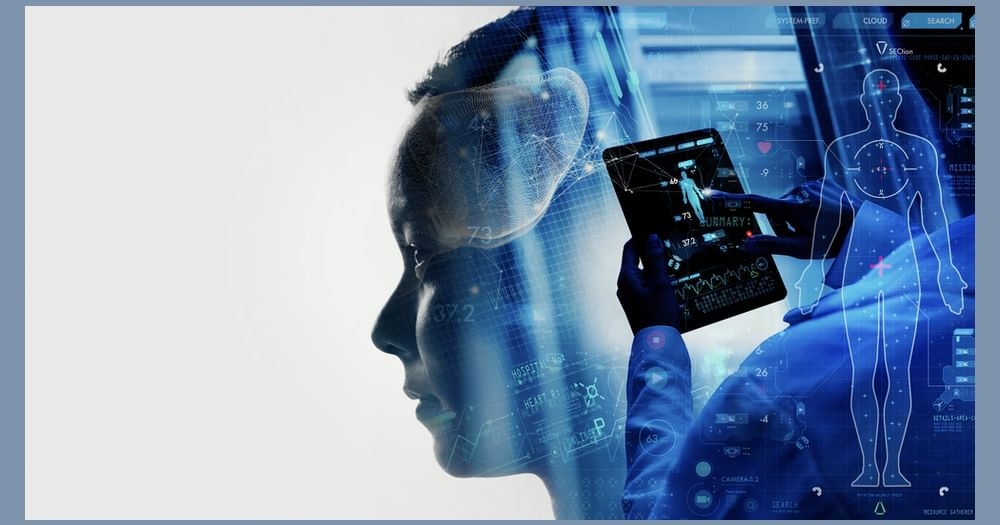
Most hospitals still treat data as a byproduct of care. M42 wants to treat it as the product itself. The Abu Dhabi-based health group has announced plans to adopt Oracle Health Data Intelligence, a platform designed to bring clinical, genomic, and real-world data together in one place, across its entire network. The goal is sharper chronic disease management, stronger population health programmes, and care that is built around the individual patient rather than the average one.
M42 is already one of the more distinctive health operators in the region. It sits at the intersection of clinical care, artificial intelligence, and genomics, and its partnership with Oracle reflects a clear strategic direction: that the next frontier in healthcare is not just collecting data, but making it work across systems, specialties, and geographies.
How will it work?
Oracle Health Data Intelligence will be deployed across M42's network to connect datasets that have historically sat in separate silos. Clinical records, genomic profiles, and real-world patient data will be unified into a single intelligence layer. From there, M42's teams will be able to identify patterns in chronic disease progression, design population-level health interventions with greater precision, and personalise treatment pathways based on a patient's actual biology, not just their symptoms.
The platform is built on Oracle's health data architecture, which is already used by health systems in multiple countries. M42 will be applying it within a network that spans multiple markets, which means the data pool is substantial and the potential for cross-population insights is significant.
Why does it matter?
Chronic disease is one of the most pressing problems in the Gulf. Diabetes, cardiovascular disease, and obesity rates across the GCC are among the highest in the world, and health systems are under pressure to shift from reactive treatment to proactive management. That shift requires data, and not just data in volumes but data that is structured, connected, and actionable at the point of care.
M42's move also aligns directly with Abu Dhabi's broader health ambitions. The emirate has invested heavily in genomics infrastructure, most visibly through the Emirati Genome Programme, and there is a clear policy appetite for health systems that can actually use genomic data in clinical settings rather than storing it. This partnership is a step toward that.
- Unified view of clinical, genomic, and real-world data across the M42 network
- Enhanced chronic disease tracking and early intervention capability
- Population health programmes informed by richer, more connected data
- Precision care pathways tailored to individual patient profiles
The context
Across the GCC, health digitalisation has accelerated sharply over the past five years. Saudi Arabia's Vision 2030 has placed health data infrastructure at the centre of its reform agenda. The UAE has pushed electronic health records, AI diagnostics, and now genomics into mainstream policy. But integration has lagged behind ambition. Many health systems have invested in separate digital tools that do not talk to each other, and the clinical value of that investment has been limited as a result.
M42's bet on Oracle is, at its core, a bet on interoperability. And in a region where the data exists but the connections between it often do not, that bet is well-timed.
Latest @
Blueprint lands in the UAE as longevity moves from policy to product
M42 launches 10,000-patient wearable pilot in Abu Dhabi to reshape chronic disease care
Unilabs Middle East and Takalam link diagnostics to mental health in one app
Al Ghurair enters healthcare with Trellis Health launch in Dubai
💡Did you know?
You can take your DHArab experience to the next level with our Premium Membership.👉 Click here to learn more
🛠️Featured tool
 Easy-Peasy
An all-in-one AI tool offering the ability to build no-code AI Bots, create articles & social media posts, convert text into natural speech in 40+ languages, create and edit images, generate videos, and more.
👉 Click here to learn more
