

Kuwait is quietly becoming one of the Gulf’s most serious players in surgical robotics
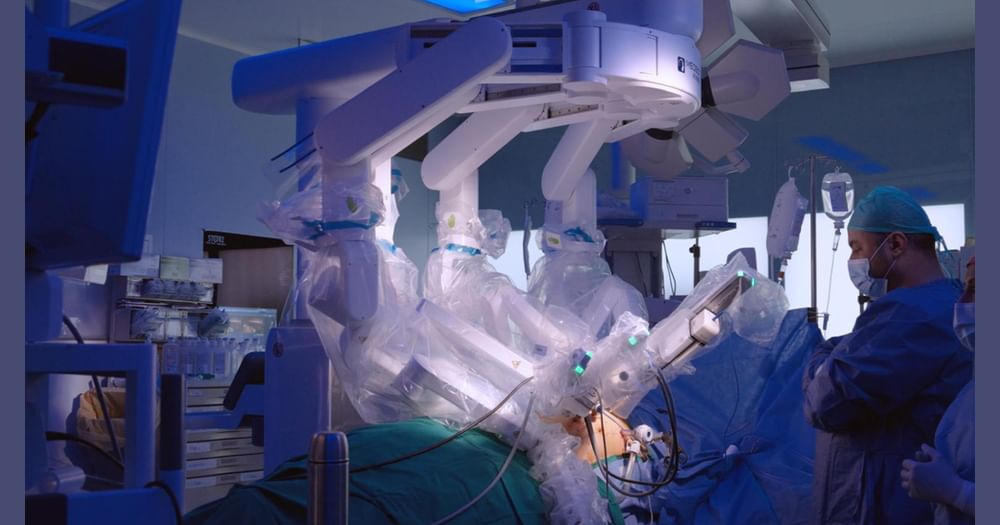
Most conversations about healthcare technology in the Gulf tend to start with Saudi Arabia or the UAE. Kuwait deserves more of that attention. Over the past few years, Kuwaiti hospitals have moved well beyond pilot programs and proof-of-concept trials. Robotic and remote surgery are now part of the clinical reality there, and the results are beginning to show.
What's the news?
Kuwait has made substantial advances in robotic surgery and telesurgery, integrating these technologies into its public and private healthcare infrastructure. Robotic surgery platforms give surgeons the ability to perform complex procedures with a level of precision that traditional manual techniques cannot consistently match. High-definition 3D imaging, real-time data feeds, and AI-assisted guidance are all part of how these systems now work in Kuwaiti operating theatres.
Remote surgery takes this further. Using high-speed connectivity, a surgeon can operate on a patient from a different location entirely. Kuwait has been investing in the infrastructure to make this viable, including the kind of low-latency networks that telesurgery depends on. The country has also expanded the use of surgical simulation and training platforms, so that the next generation of Kuwaiti surgeons is being trained on the same technology they will eventually use in practice.
Why does it matter?
The implications for patient care are significant. Robotic systems reduce surgical trauma, shorten recovery times, and lower the risk of complications in procedures ranging from urology to oncology. But the bigger story is access. Remote surgery means that a specialist in Kuwait City could, in theory, operate on a patient in a rural area or even across a border. For a region where specialist concentration in urban centers is a persistent problem, that matters.
There is also a workforce development angle. Kuwait is not just buying technology. It is building the clinical expertise to use it, which is the part that often gets skipped in regional tech adoption stories. Training surgeons on simulation platforms before they operate on patients is standard practice in the world's leading medical centers. Kuwait is aligning itself with that standard.
The context
Kuwait's push into surgical robotics fits into a broader GCC trend. Saudi Arabia's Vision 2030 has made healthcare modernization a national priority. The UAE has positioned itself as a medical tourism destination and a hub for health innovation. Kuwait, working from its own national development framework, is making a clear statement that it intends to compete on quality, not just infrastructure.
Across the Gulf, governments are under pressure to reduce dependence on medical referrals abroad, control long-term healthcare costs, and meet the expectations of younger, more health-literate populations. Robotics and telemedicine are central to how they plan to do that. Kuwait's progress in surgical technology is one of the more concrete examples of that shift actually happening, not just being announced.
Latest @
Blueprint lands in the UAE as longevity moves from policy to product
M42 launches 10,000-patient wearable pilot in Abu Dhabi to reshape chronic disease care
Unilabs Middle East and Takalam link diagnostics to mental health in one app
Al Ghurair enters healthcare with Trellis Health launch in Dubai
💡Did you know?
You can take your DHArab experience to the next level with our Premium Membership.👉 Click here to learn more
🛠️Featured tool
 Easy-Peasy
An all-in-one AI tool offering the ability to build no-code AI Bots, create articles & social media posts, convert text into natural speech in 40+ languages, create and edit images, generate videos, and more.
👉 Click here to learn more
