

Huawei and partners launch four AI healthcare solutions at HIMSS26 APAC
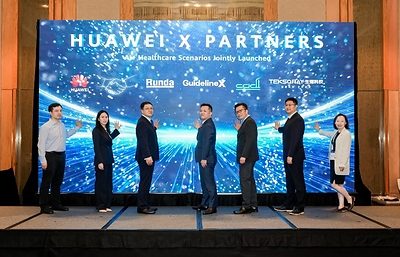
Pathology diagnosis that once relied on a clinician peering through a microscope can now be completed by AI analysing digitised slide images at scale. That shift, from manual to machine-assisted, is one of four clinical scenarios Huawei and its ecosystem partners formally introduced at HIMSS26 APAC in Singapore on 7 September 2026. The launches signal a clear acceleration in how technology companies are moving beyond infrastructure and into the clinical core of healthcare delivery.
The announcements came during a forum titled 'AI for Health, Health for All', hosted by Huawei at Marina Bay Sands Expo and Convention Centre. More than 100 healthcare leaders, experts, and partners attended. The four solutions combine Huawei's digital and intelligent infrastructure with the clinical expertise of specialist partners, targeting workflows where AI can reduce workload, improve consistency, and catch risks earlier.
What are the solutions?
Each of the four scenarios pairs Huawei's hardware and platform capabilities with a domain-specific partner.
- AI+ Smart Ward Solution, developed with Cadi Scientific and Lachesis, integrates continuous vital-sign monitoring, intelligent sensing, real-time location systems (RTLS), and smart medical carts. The goal is to shift ward care from periodic check-ins to continuous observation, and from reactive response to earlier risk detection. It also reduces repetitive nursing tasks, which is a significant operational benefit in regions facing nursing shortages.
- AI+ Pathology Scenario Solution, developed with TEKSQRAY and powered by Huawei OceanStor, replaces manual microscope-based slide examination with AI analysis of digitised pathology images. It supports faster, more consistent diagnosis and enables population-level insights beyond individual case review. Critically, it addresses gaps in pathology expertise, which is a known pressure point in many healthcare systems.
- AI+ Clinical Decision Support Solution (CDSS), developed with GuidelineX and built on Huawei OceanStor and Ascend, brings AI-assisted diagnosis, evidence-based treatment recommendations, and early risk alerts directly into the clinical workflow. It is designed to support more precise, consistent decision-making without replacing the clinician.
- AI+ Clinical Intelligence Scenario Solution, developed with Runda Medical Technology and also running on OceanStor and Ascend, coordinates AI across multiple care workflow steps. It enables multi-step orchestration across the patient journey and shifts care management from reactive to proactive, giving clinicians more time to focus on patients rather than administration.
Huawei also demonstrated additional scenario-based solutions during the event covering preventive healthcare, telemedicine, and hospital operations centres, showing how intelligent technologies can extend across the full care journey rather than sitting only at one clinical touchpoint.
Why does it matter?
These are not concept demonstrations. They are packaged solutions built on specific hardware and co-developed with clinical partners, which means they are closer to deployment than many AI healthcare announcements that surface at industry events. The focus on high-pressure workflows, nursing workloads, diagnostic backlogs, clinical consistency, reflects a practical understanding of where hospitals actually struggle.
For the GCC, the relevance is direct. Saudi Arabia's Vision 2030 health transformation programme and the UAE's National Strategy for Healthcare both prioritise AI adoption in clinical settings. But technology procurement in the region has often favoured infrastructure over applied clinical solutions. What Huawei is presenting here is a different model: AI embedded into specific, measurable workflows with clear operational and patient safety outcomes. That framing is likely to find a receptive audience among regional health authorities looking to justify AI investment with concrete outcomes.
The pathology solution is particularly relevant. Several GCC countries are actively trying to build diagnostic capacity and reduce dependence on international referrals. An AI-powered pathology platform that can extend consistent, high-quality diagnostic services at scale directly supports that goal.
The context
HIMSS26 APAC is one of the most significant digital health gatherings in the Asia-Pacific calendar, drawing hospital executives, health ministry officials, and technology vendors. Huawei's decision to use the event for a coordinated, multi-partner launch rather than a single product announcement reflects how seriously the company is positioning itself in healthcare, not as a connectivity provider on the edge of the sector, but as an infrastructure partner embedded in clinical operations.
Huawei has been expanding its healthcare vertical steadily, and the OceanStor storage platform and Ascend AI processor series are increasingly central to that push. Anchoring four distinct clinical solutions to the same underlying hardware creates a coherent platform story, one that health IT teams and procurement leaders will find easier to evaluate than a fragmented portfolio of standalone tools.
The company says it will continue working with customers and partners across APAC to bring AI into more healthcare workflows. For regions like the GCC, where health digital transformation is a national policy priority and capital for investment is available, the question is less about whether to adopt and more about which partners to build with.
Latest @
Blueprint lands in the UAE as longevity moves from policy to product
M42 launches 10,000-patient wearable pilot in Abu Dhabi to reshape chronic disease care
Unilabs Middle East and Takalam link diagnostics to mental health in one app
Al Ghurair enters healthcare with Trellis Health launch in Dubai
💡Did you know?
You can take your DHArab experience to the next level with our Premium Membership.👉 Click here to learn more
🛠️Featured tool
 Easy-Peasy
An all-in-one AI tool offering the ability to build no-code AI Bots, create articles & social media posts, convert text into natural speech in 40+ languages, create and edit images, generate videos, and more.
👉 Click here to learn more
