

Google Fitbit Edge: A serious fitness tracker that refuses to be a smartwatch
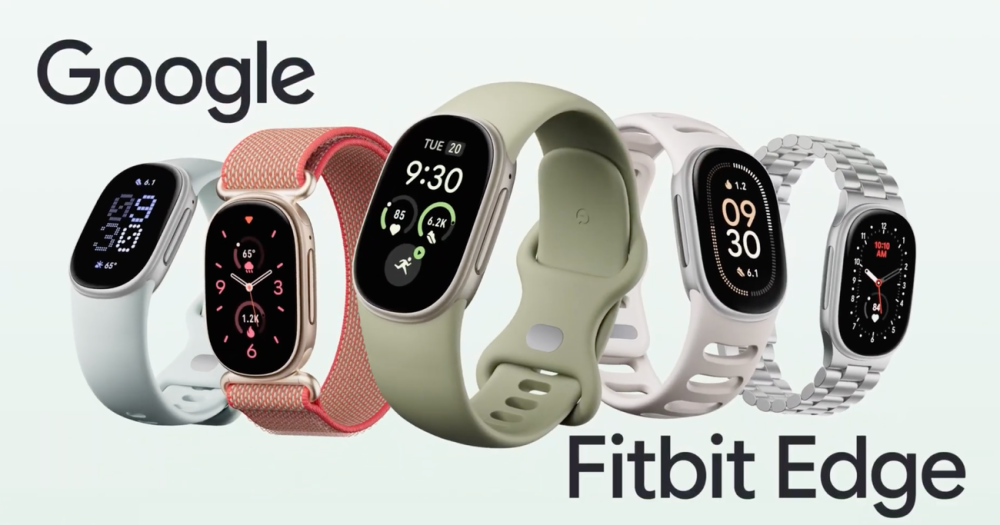
At 11.5mm thin and 45% lighter than an Apple Watch Series 12, the new Google Fitbit Edge is making a clear argument: you don't need a smartwatch to get serious about your health. Announced on October 12 and available for pre-order now ahead of an October 27 retail launch, the Fitbit Edge sits at $179.99 and positions itself as the middle ground between a full Pixel Watch and a screenless band like the Fitbit Air. That gap, it turns out, is bigger than it looks.
The device carries the Google Health Coach platform, previously limited to Pixel Watch and the Air, into a form factor built specifically for people who want health data without the bulk. It's a bet that a growing segment of wearable users — athletes, busy professionals, health-conscious consumers — want depth without the distraction of a full smartwatch interface on their wrist. In the GCC, where wellness culture is rising sharply and governments across Saudi Arabia and the UAE are actively pushing preventive health as a policy priority, that kind of focused device has a clear audience.
What's it all about?
The Fitbit Edge is built around a Hybrid OLED display that offers 46% more screen area than previous Fitbit trackers. It reads clearly in direct sunlight, and the interface has been redesigned from the ground up, drawing from the experience introduced with Pixel Watch 5. A physical side button adds tactile control, which matters when you're mid-workout and don't want to fumble with a touch screen.
On the health and fitness side, the device is genuinely packed. Key features include:
- Built-in precision GPS with up to 40% improved accuracy over earlier generations, plus an integrated altimeter for elevation tracking
- Automatic recognition and logging of up to 100 workout types, even if you forget to start a session manually
- Tracking for more than 50 exercise modes with real-time, glanceable guidance during workouts
- ECG heart rhythm assessments on demand, continuous optical heart rate monitoring, and a dedicated skin temperature sensor
- Sleep stage analysis and HRV metrics combined into a daily recovery score each morning
- Health Guardian background monitoring for blood pressure trends, insulin resistance trends, and high and low heart rate alerts
Battery life is rated at up to seven days, and fast magnetic charging delivers a full day of use from just five minutes on the charger. The device is water-resistant to 50 meters. It also comes with a modular internal architecture and a replaceable battery, making it Google's first repairable fitness tracker.
The Fitbit Edge comes in four finishes: Obsidian, Fog, Olive, and Canyon. A Stephen Curry Special Edition is also available at $219.99, featuring moisture-wicking materials in his signature colorway. Buyers receive three months of Google Health Premium included with purchase.
Why does it matter?
The Health Guardian features are where this device gets interesting for healthcare professionals and policymakers. Background monitoring of blood pressure trends and insulin resistance trends on a consumer wearable, tied to a coaching platform that can frame those readings for conversations with a doctor, is a meaningful step. It's not a medical device, and Google is careful about how it positions these tools. But in a region where diabetes prevalence is among the highest in the world, a tracker that flags insulin resistance trends and encourages users to raise the issue with their physician is worth paying attention to.
The Google Health Coach integration also raises questions about where AI-driven personal health guidance fits alongside formal healthcare systems. The coach can adapt fitness plans, offer lifestyle guidance, and help users interpret changes in their health patterns. For health authorities thinking about patient engagement and preventive care at scale, consumer tools like this are increasingly part of the equation, not separate from it.
The context
The wearable health technology market across the GCC is growing quickly. Saudi Arabia's Vision 2030 and the UAE's various national health strategies both identify preventive care and digital health as central pillars. Consumer devices that encourage daily health monitoring and connect users more actively to their own data fit directly into those priorities, even if they sit outside formal health system infrastructure.
Google's decision to bring premium health features down into a $179.99 tracker, rather than keeping them exclusive to higher-end devices, also matters for accessibility. And the repairability angle is notable in a market where sustainability credentials are becoming a more visible part of brand positioning.
The Fitbit Edge goes on sale October 27 through the Google Store and retail partners. Regional availability has not been confirmed separately, but Google's GCC retail presence through major electronics chains makes a relatively quick regional rollout plausible. For health professionals, wellness brands, and policymakers watching consumer health technology, this is a device worth tracking.
Latest @
Google Fitbit Edge: A serious fitness tracker that refuses to be a smartwatch
Google and Flo Health join forces on women's health data
Samsung Health lowers the barrier to sleep coaching and upgrades its running programs
Fifteen years of digital health in the U.S.: What $140B and a crystal anniversary can teach us
💡Did you know?
You can take your DHArab experience to the next level with our Premium Membership.👉 Click here to learn more
🛠️Featured tool
 Easy-Peasy
An all-in-one AI tool offering the ability to build no-code AI Bots, create articles & social media posts, convert text into natural speech in 40+ languages, create and edit images, generate videos, and more.
👉 Click here to learn more
