

Egypt launches digital tracking system to improve healthcare quality
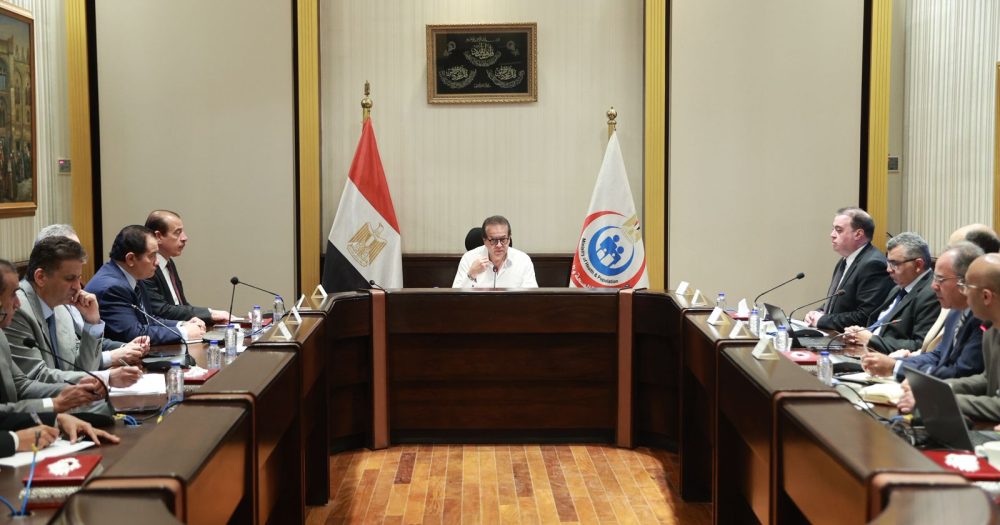
Egypt is rolling out a comprehensive healthcare oversight program that combines surprise field inspections with digital monitoring tools. The initiative aims to address quality issues and operational problems across the country's hospital system.
Health Minister Khaled Abdel Ghaffar announced the measures during a ministry meeting focused on practical steps to upgrade healthcare services. The program includes monthly review sessions with senior officials and direct engagement with medical staff and patients.
What's the news?
The Ministry of Health is implementing several new oversight measures:
- An electronic dashboard to track healthcare project implementation and funding in real time
- Increased surprise inspections at hospitals and healthcare facilities
- Dedicated supervisors assigned to each governorate
- Monthly structured meetings with ministry representatives to review progress
- Enhanced coordination with local governors
The ministry is also addressing staff shortages at primary healthcare units and reviewing contracts for cleaning, security, and maintenance services. Officials plan to create a specialized unit to measure patient satisfaction and build a central database to track recurring problems.
Why does it matter?
Healthcare quality has been a persistent challenge in Egypt, with citizens often facing issues ranging from medicine shortages to poor facility conditions. The digital tracking system represents a shift toward data-driven healthcare management.
The real-time monitoring dashboard could help identify problems before they become critical. By tracking both implementation rates and financial disbursements, officials can spot delays or budget issues that might affect patient care.
The focus on primary healthcare units is particularly important since these facilities serve as the first point of contact for many Egyptians seeking medical care.
The context
This oversight program is part of Egypt's broader healthcare modernization strategy. The country has been working to improve its health system through various initiatives, including digital transformation efforts and infrastructure upgrades.
The emphasis on coordination with governors reflects the decentralized nature of healthcare delivery, where local officials play a key role in day-to-day operations. Medicine shortages have been an ongoing concern, prompting closer coordination with the Unified Procurement Authority to ensure stable supply chains.
The creation of a citizen satisfaction measurement unit suggests the government is trying to make the healthcare system more responsive to patient needs and complaints.
Latest @
Blueprint lands in the UAE as longevity moves from policy to product
M42 launches 10,000-patient wearable pilot in Abu Dhabi to reshape chronic disease care
Unilabs Middle East and Takalam link diagnostics to mental health in one app
Al Ghurair enters healthcare with Trellis Health launch in Dubai
💡Did you know?
You can take your DHArab experience to the next level with our Premium Membership.👉 Click here to learn more
🛠️Featured tool
 Easy-Peasy
An all-in-one AI tool offering the ability to build no-code AI Bots, create articles & social media posts, convert text into natural speech in 40+ languages, create and edit images, generate videos, and more.
👉 Click here to learn more
