

Cleveland Clinic Abu Dhabi completes fully robotic preventive colorectal surgery on high-risk patient
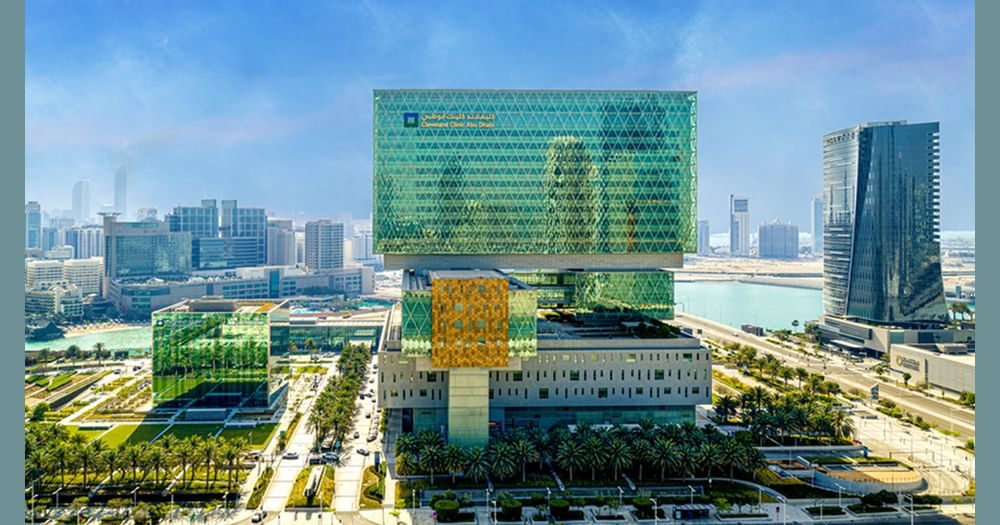
If you carry a genetic condition that gives you close to a 100 percent lifetime chance of developing colon cancer, the surgery to prevent it had better be precise. Cleveland Clinic Abu Dhabi recently completed a fully robotic preventive colorectal operation on a 37-year-old woman diagnosed with Familial Adenomatous Polyposis, or FAP, a rare inherited disorder that, without surgical intervention, almost always leads to malignancy. The procedure is being described by the institution as one of the most technically demanding robotic surgeries of its kind performed in the UAE.
FAP causes hundreds, sometimes thousands, of polyps to form throughout the colon. Left untreated, the progression to cancer is not a risk so much as a near-certainty. For the patient in question, waiting was not a viable option. The surgical team at Cleveland Clinic Abu Dhabi chose a total proctocolectomy with ileal pouch-anal anastomosis, commonly called a J-pouch procedure. In plain terms, this means removing the entire colon and rectum, then constructing an internal reservoir from the small intestine that allows the patient to maintain normal bowel function without a permanent stoma.
How did it work?
The operation was carried out entirely using robotic technology, with no open incisions beyond small ports for the robotic arms. The surgical team worked through multiple abdominal quadrants, a level of complexity that typically demands exceptional coordination and instrument control. Robotic systems offer magnified three-dimensional visualization and a range of motion that exceeds what human hands can achieve in confined spaces, which matters enormously when operating near critical pelvic structures.
The J-pouch itself requires meticulous construction. The ileum, the final section of the small intestine, is folded and joined to form a pouch that mimics the storage function of the rectum. Connecting this internally, while preserving the surrounding nerves and muscles, is where the procedure becomes genuinely difficult. The team completed this without converting to open surgery, and the patient recovered without major complications.
Why does it matter?
This case matters for a few reasons. First, it confirms that highly specialized preventive cancer surgery is now available locally, without patients needing to travel abroad for complex oncological or hereditary procedures. That has real consequences for families across the UAE and the broader GCC who carry inherited cancer syndromes and may not know where to seek care.
But there is also a wider signal here. Preventive intervention, identifying and treating cancer risk before a diagnosis occurs, is central to what Saudi Vision 2030 and the UAE's National Strategy for Wellbeing are trying to accomplish. Keeping people healthy rather than treating them once they are already ill is both better medicine and better economics.
The context
The UAE has invested heavily in building domestic tertiary care capability, and cases like this one reflect that progress concretely. Cleveland Clinic Abu Dhabi, established under the Abu Dhabi government's push to develop world-class healthcare within the emirate, has steadily expanded its surgical subspecialties since opening in 2015.
Robotic surgery adoption across the GCC has accelerated over the past five years, with hospitals in Saudi Arabia, Qatar, and the UAE all expanding their programs. Still, fully robotic procedures for hereditary colorectal conditions remain relatively rare anywhere in the world. Completing one successfully, locally, on a young patient with a near-certain cancer trajectory, is the kind of outcome that reinforces confidence in regional surgical capability and, more practically, may encourage other high-risk patients to seek genetic counseling and timely care before cancer takes hold.
Latest @
Blueprint lands in the UAE as longevity moves from policy to product
M42 launches 10,000-patient wearable pilot in Abu Dhabi to reshape chronic disease care
Unilabs Middle East and Takalam link diagnostics to mental health in one app
Al Ghurair enters healthcare with Trellis Health launch in Dubai
💡Did you know?
You can take your DHArab experience to the next level with our Premium Membership.👉 Click here to learn more
🛠️Featured tool
 Easy-Peasy
An all-in-one AI tool offering the ability to build no-code AI Bots, create articles & social media posts, convert text into natural speech in 40+ languages, create and edit images, generate videos, and more.
👉 Click here to learn more
