

China’s healthcare system transforms from overcrowded to efficient
Fang Jiacai credits luck with saving his life. But his experience reflects something bigger happening across China's healthcare system. What once was a struggle to get basic medical care has become a network that impresses even foreign patients.
The changes span from high-tech hospitals using AI for diagnosis to remote regions where patients no longer need to travel hundreds of miles for treatment. This transformation touches millions of lives across China's vast territory.
How does it work?
China's healthcare improvements operate on multiple levels:
- Smart hospital systems use AI to support doctors with diagnosis and follow-up care
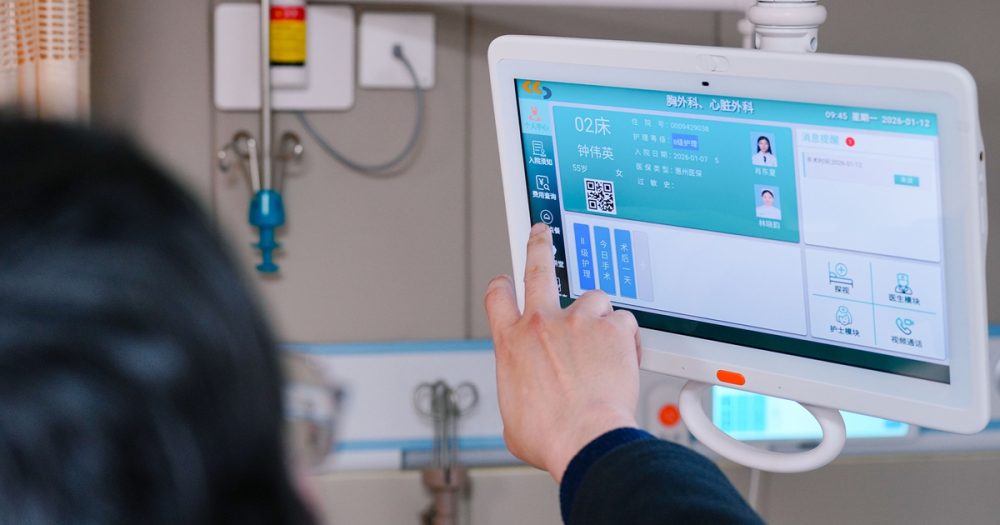
- Bedside terminals give patients direct access to medical services and information
- Regional medical centers bring specialized care closer to rural populations
- Medical tourism zones attract international patients and expertise
The Boao Lecheng International Medical Tourism Pilot Zone in Hainan Province shows how China positions itself as a destination for medical care. The facility combines international standards with Chinese efficiency.
Why does it matter?
The scale of China's population makes healthcare efficiency critical. With over 1.4 billion people, even small improvements in the system affect hundreds of millions of lives.
Foreign patients like the American visitor who praised the system's efficiency represent a new trend. China is becoming a destination for medical care, not just a country trying to catch up with global standards.
The changes also address a longtime problem in Chinese society. Rural residents often faced impossible choices between getting proper medical care and staying close to home. Now those trade-offs are becoming less common.
The context
China's healthcare transformation comes after decades of uneven access to medical care. Rural areas especially struggled with shortages of doctors and equipment.
The government has invested heavily in both technology and infrastructure. AI systems help doctors make better diagnoses. New hospitals bring advanced care to previously underserved regions.
Xinjiang Uygur Autonomous Region in northwest China shows the geographic scope of these changes. The region's vast distances once made healthcare access nearly impossible for many residents. Now local facilities provide quality treatment that eliminates long-distance medical trips.
This shift reflects China's broader focus on using technology to solve social challenges. The healthcare sector has become a testing ground for innovations that could spread to other areas of public service.
Latest @
Blueprint lands in the UAE as longevity moves from policy to product
M42 launches 10,000-patient wearable pilot in Abu Dhabi to reshape chronic disease care
Unilabs Middle East and Takalam link diagnostics to mental health in one app
Al Ghurair enters healthcare with Trellis Health launch in Dubai
💡Did you know?
You can take your DHArab experience to the next level with our Premium Membership.👉 Click here to learn more
🛠️Featured tool
 Easy-Peasy
An all-in-one AI tool offering the ability to build no-code AI Bots, create articles & social media posts, convert text into natural speech in 40+ languages, create and edit images, generate videos, and more.
👉 Click here to learn more
