

AI researchers predict Alzheimer’s 20 years before symptoms appear
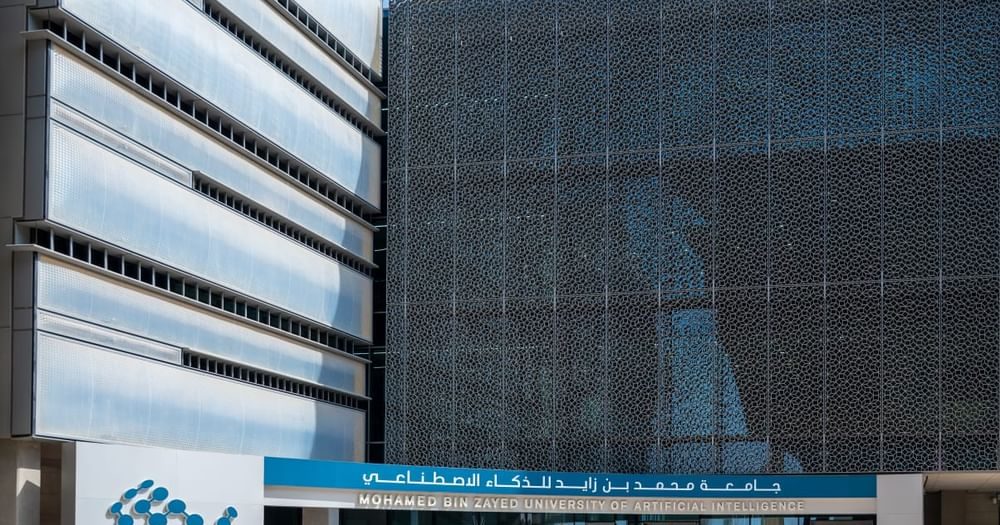
Artificial intelligence is changing what doctors can see and when they can see it. Researchers at the Mohamed bin Zayed University of Artificial Intelligence (MBZUAI) in Abu Dhabi have developed an AI system that can predict Alzheimer's disease up to two decades before patients show any symptoms.
The timing matters. According to the World Health Organization, a new case of dementia appears somewhere in the world every three seconds. There's still no cure, but early warning could be nearly as valuable.
What's the news?
MBZUAI researchers have created MAGNET-AD, an AI system that uses brain patterns invisible to conventional clinical assessment to spot Alzheimer's disease decades before symptoms appear. The system uses a spatiotemporal graph neural network to identify biological markers that doctors typically can't detect.
The team also developed ClinGRAD, a companion system that analyzes brain MRIs, genomic data, and clinical records at the same time. It can classify dementia subtypes with 98.75% accuracy. The work has been peer-reviewed and published at MICCAI 2025, a top medical imaging conference.
"Early detection is everything in a disease with no cure," said Ph.D. researcher Salma Hassan, who led the team.
But Alzheimer's prediction is just one of five medical AI breakthroughs coming out of MBZUAI:
- Eye scans for disease detection: Simple retinal scans can flag early signs of diabetes, hypertension, Alzheimer's, and heart disease before patients feel symptoms
- Arabic medical AI: BiMediX provides medical guidance in Arabic and English, recently expanded to Hindi for over 600 million speakers
- Fetal screening: FetalCLIP analyzes over 210,000 ultrasound images to detect heart defects and deliver precise measurements
- Digital biology simulation: AIDO simulates human biology from genes to organs, potentially making drug discovery faster and cheaper
Why does it matter?
The numbers tell the story. Dementia cases are projected to reach 152 million globally by 2050, according to The Lancet Public Health. A dementia diagnosis can reduce life expectancy by 3 to 30 years depending on when it starts, based on a January 2025 systematic review of more than five million patients published in the BMJ.
In regions like the UAE, where diabetes affects about 16% of adults (among the highest rates worldwide), early detection through simple eye scans could change population health screening completely.
The language barrier matters too. For millions across the Middle East and Africa, healthcare access is limited not just by distance but by language and health literacy. MBZUAI's Arabic medical AI has been downloaded over 140,000 times on Hugging Face and works through platforms like Telegram, reaching users who need medical guidance in their own language.
The fetal screening technology has already moved from lab to real-world impact. Professor Mohammad Yaqub's ScanNav technology went from Oxford research to FDA approval to deployment across GE Healthcare's global network, now supporting millions of women annually.
The context
MBZUAI calls itself the world's first university dedicated entirely to AI research. The school is pushing medical AI from research papers into clinical practice faster than most institutions.
The eye scanning work was demonstrated at Cleveland Clinic Abu Dhabi last year. The Arabic medical AI won the Meta Llama Impact Innovation Award 2024 and received the NVIDIA Academic Grant 2025. In November 2025, the digital biology simulation won the UAE Artificial Intelligence Award in Scientific Research.
The WHO estimates that congenital anomalies affect one in every 33 babies worldwide - about six million births each year. Technologies like FetalCLIP and its mobile version MobileFetalCLIP are designed to work in low-resource settings where reliable fetal screening is most needed.
The team has open-sourced its models, data, and code, making the research available to other institutions worldwide. As AI moves from laboratory curiosity to clinical tool, Abu Dhabi is positioning itself at the center of that transformation.
Latest @
Qatar performs first robotic Whipple surgery for pancreatic cancer
Abu Dhabi launches major biobank to predict and prevent disease
Eli Lilly's first oral GLP-1 pill launches in UAE through Metabolic partnership
AI researchers predict Alzheimer's 20 years before symptoms appear
💡Did you know?
You can take your DHArab experience to the next level with our Premium Membership.👉 Click here to learn more
🛠️Featured tool
 Easy-Peasy
An all-in-one AI tool offering the ability to build no-code AI Bots, create articles & social media posts, convert text into natural speech in 40+ languages, create and edit images, generate videos, and more.
👉 Click here to learn more
