

Abu Dhabi University opens reproductive research lab in partnership with FertiClinic
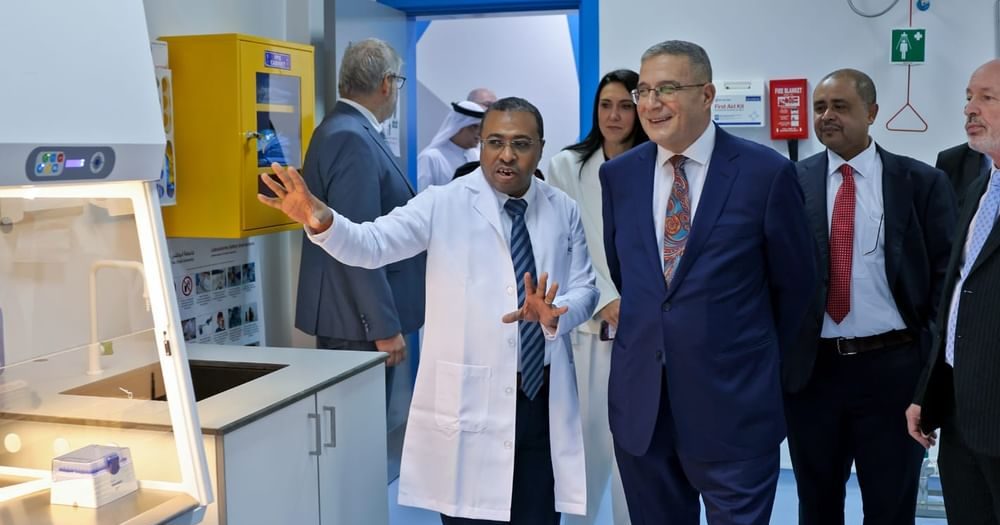
Most university research labs are built around equipment. This one is built around patients. Abu Dhabi University has opened the FertiClinic Reproductive Research Lab on its campus, a facility developed through a formal partnership with FertiClinic Fertilisation Group that is designed to connect academic research directly with active clinical practice in reproductive medicine.
How will it work?
The lab operates as a shared infrastructure between ADU's academic teams and FertiClinic's clinical specialists. Rather than running in parallel, the two organisations are working within the same physical space, which means research questions can come directly from clinical observation and findings can move back into practice without the usual delays. The setup is intended to support postgraduate students, faculty researchers, and clinicians working on reproductive science, embryology, and related fields.
Key features of the facility include:
- State-of-the-art reproductive biology and embryology equipment
- Integrated access for ADU students and researchers alongside FertiClinic clinical staff
- A structure that supports both basic research and applied clinical studies
- Pathways for students to gain exposure to real fertility treatment environments
Why does it matter?
Reproductive health is one of the less-discussed corners of the GCC health sector, but demand for fertility services across the region has been rising steadily for years. The UAE has seen significant growth in licensed fertility centres, and there is increasing recognition that local research capacity, not just imported clinical expertise, needs to keep pace.
That's where this kind of partnership becomes relevant. Training the next generation of reproductive medicine specialists inside a research environment tied to real clinical work is a different proposition from sending graduates abroad or relying on overseas-developed protocols. It builds institutional knowledge locally, and that matters for a country that has made healthcare self-sufficiency a stated priority under national development frameworks.
For ADU specifically, the lab strengthens its position as a research-active university with genuine ties to industry and clinical practice, not just theoretical output.
The context
The UAE's health strategy has placed growing emphasis on research and development as a pillar of long-term sustainability, not just service delivery. Initiatives linked to the Abu Dhabi Economic Vision and the broader national agenda have repeatedly pointed to the need for universities to move closer to industry, producing graduates who can contribute to the health system rather than simply enter it.
Reproductive medicine sits at an interesting intersection: it is high-demand, technically complex, ethically nuanced, and still relatively under-researched at the regional level. A facility that brings university rigour together with clinical access could produce work that is genuinely useful, both for improving patient outcomes locally and for contributing to the wider body of research in this field.
So far, neither ADU nor FertiClinic has published a specific research agenda for the lab. But the structure is in place. Whether it produces meaningful output will depend on what questions the teams decide to ask.
Latest @
Blueprint lands in the UAE as longevity moves from policy to product
M42 launches 10,000-patient wearable pilot in Abu Dhabi to reshape chronic disease care
Unilabs Middle East and Takalam link diagnostics to mental health in one app
Al Ghurair enters healthcare with Trellis Health launch in Dubai
💡Did you know?
You can take your DHArab experience to the next level with our Premium Membership.👉 Click here to learn more
🛠️Featured tool
 Easy-Peasy
An all-in-one AI tool offering the ability to build no-code AI Bots, create articles & social media posts, convert text into natural speech in 40+ languages, create and edit images, generate videos, and more.
👉 Click here to learn more
