

Flower-shaped stent could speed recovery after weight-loss surgery
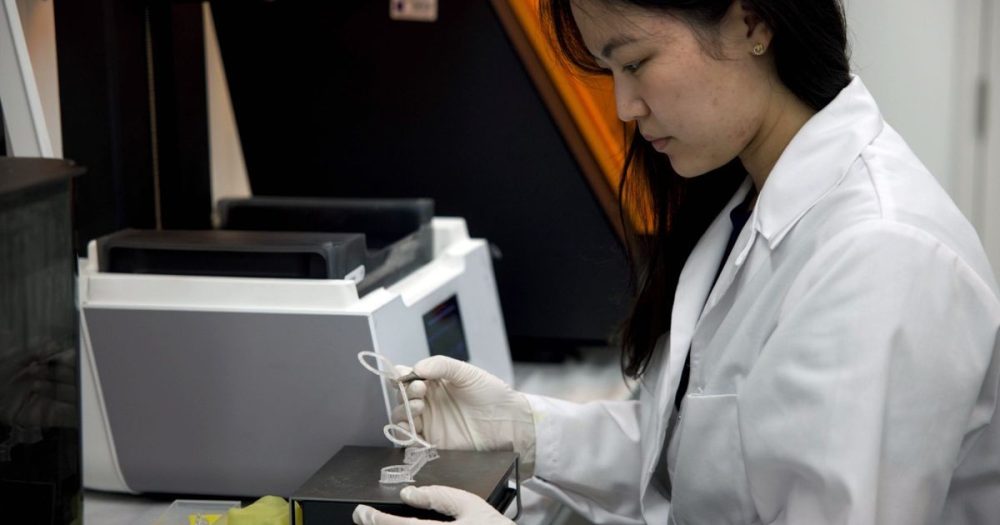
Researchers have created a stent shaped like a flower that could help patients recover faster from complications after weight-loss surgery. The device, called the "Lily" stent, drains fluid 30% more efficiently than the cylindrical tubes doctors currently use.
The team from NYU Abu Dhabi and Cleveland Clinic Abu Dhabi published their findings in Advanced Healthcare Materials. They focused on treating gastric leaks, a serious complication that can occur after bariatric surgery and requires drainage to heal properly.
How does it work?
The Lily stent has a six-part, flower-like cross-section instead of the simple circular shape of current stents. This design creates better pathways for fluid to flow out of problem areas in the stomach.
Laboratory tests showed the geometry of the tube's cross-section matters more than other factors like anchoring features or simply making the diameter bigger. "We're not just making it out of a different material. We're changing the shape to make it work better," said Khalil Ramadi, assistant professor of bioengineering at NYU Abu Dhabi and the study's senior author.
The researchers developed their design using a framework they call PETALS (Personalized Endoscopic Transmural Abscess Leak Solution). The new stent is also more flexible than existing polyethylene devices, which could improve patient comfort and reduce tissue damage.
Why does it matter?
Gastric leaks after weight-loss surgery can extend hospital stays and require multiple procedures to treat. Better drainage could help patients:
- Recover faster from complications
- Return to daily activities sooner
- Avoid additional surgical procedures
- Experience less discomfort during treatment
"Our work shifts the focus from placing a stent to engineering its function at a structural level," said Parima Phowarasoontorn, a research assistant in Ramadi's lab and the paper's first author. The device can be manufactured using conventional methods without specialized 3D printing equipment.
The context
Bariatric surgery has grown rapidly as obesity rates climb worldwide. The procedures are generally safe, but complications like gastric leaks affect a small percentage of patients and can be serious when they occur.
Current treatment relies on placing drainage tubes and waiting for the leak to heal, which can take weeks or months in difficult cases. Any improvement in drainage efficiency could significantly impact patient outcomes and healthcare costs.
The Lily stent has only been tested in laboratory simulations so far. The researchers will need to conduct animal studies and eventually human trials before the device could reach patients. Early biocompatibility testing suggests the materials should work safely in the body.
"This collaboration with NYU Abu Dhabi reflects our commitment at Cleveland Clinic Abu Dhabi to advancing clinically relevant research that directly improves patient care," said Dr. Sawsan Abdel-Razig, chief academic officer at Cleveland Clinic Abu Dhabi.
Latest @
Tunisia bets on telehealth as it prepares to host Telehealth Connect 2026
Wearable AI system developed by Qatar medical students flags cardiac risk outside hospital
GLP-1 consultations surge 60% at Valeo Health as UAE weight management shifts toward continuous care
Abu Dhabi sends first health mission to China, targeting AI, cancer care and new drug development
UAE pharmaceutical chief meets Moderna co-founder in New York to explore manufacturing and R&D ties
💡Did you know?
You can take your DHArab experience to the next level with our Premium Membership.👉 Click here to learn more
🛠️Featured tool
 Easy-Peasy
An all-in-one AI tool offering the ability to build no-code AI Bots, create articles & social media posts, convert text into natural speech in 40+ languages, create and edit images, generate videos, and more.
👉 Click here to learn more
