

Saudi Arabia builds AI-powered healthcare system with robotic surgery and virtual hospitals
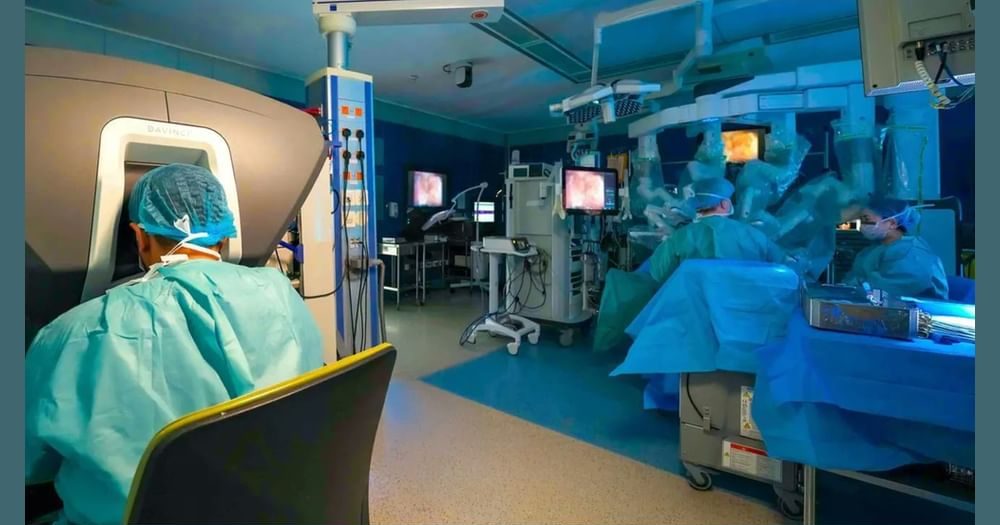
Saudi Arabia is building a healthcare system powered by artificial intelligence and medical robots. The Kingdom has committed over 133 billion Saudi riyals ($35 billion) to transform how it delivers medical care, moving from traditional treatment to prevention-focused digital health services.
The shift includes virtual hospitals serving nearly 600,000 patients, AI doctors for diagnosis, and robotic surgery systems across multiple regions. Major hospitals are now performing the world's first fully robotic heart and liver transplants, while new technology measures vital signs without touching patients during the annual Hajj pilgrimage.
What's the news?
Saudi Arabia announced major healthcare investments and technological deployments as part of its Vision 2030 transformation program. The Kingdom has allocated:
- 31 billion riyals for hospital infrastructure
- 12 billion riyals for venture capital in health tech
- 2.3 billion riyals in life sciences development
The Seha Virtual Hospital now connects 242 hospitals and serves over 597,000 patients, bridging geographic gaps in healthcare access. The Ministry of Health introduced an "AI Physician" virtual doctor system and partnered with Google to create a smart health coach through the Sehhaty mobile app.
Robotic surgery is expanding rapidly across the Kingdom. Hospitals are using Da Vinci, ROSA, and CORI robotic systems for heart procedures, organ transplants, tumor removal, and brain operations. King Faisal Specialist Hospital performed the world's first fully robotic heart and liver transplants and completed seven cardiac procedures in a single robotic surgery.
For the 2025 Hajj season, Saudi Arabia deployed the "i-Selfie" system that measures vital signs and heart rhythms without contact using AI algorithms. The technology reduced patient assessment time by 70%, from seven minutes to two minutes.
Why does it matter?
This represents one of the world's largest national investments in AI-powered healthcare. Saudi Arabia is positioning itself as a regional leader in medical technology, directly competing with established healthcare hubs like Singapore and the UAE.
The scale of investment signals serious intent beyond oil dependency. Healthcare technology exports could become a major revenue source as the Kingdom develops expertise in areas like robotic surgery and AI diagnostics that other countries need.
The Hajj pilgrimage creates a unique testing ground for mass healthcare technology deployment. Systems that work for millions of pilgrims in high-density environments could be exported to other countries facing similar challenges during emergencies or large gatherings.
Patient outcomes are already improving measurably. Robotic surgeries allow procedures through incisions as small as one centimeter compared to traditional cuts exceeding 10 centimeters, reducing pain and recovery time significantly.
The context
Saudi Arabia's healthcare push is part of Crown Prince Mohammed bin Salman's Vision 2030 plan to diversify the economy away from oil. The Kingdom faces pressure to create jobs for a young population while building new industries for the post-oil era.
The timing aligns with global healthcare technology adoption accelerated by COVID-19. Countries worldwide are investing heavily in digital health infrastructure, creating competition for talent and technology partnerships.
Several Saudi hospitals now rank globally for innovation. King Faisal Specialist Hospital ranked 12th worldwide among academic healthcare institutions in 2026, while the Ministry of National Guard Health Affairs earned recognition as Saudi Arabia's top smart hospital for five consecutive years.
The Kingdom's approach differs from other Gulf states by focusing on local development rather than just importing technology. The Biotech Accelerator partnership with BioLabs aims to build domestic healthcare companies, while the EYENAI project for diabetic retinopathy detection won gold at the 2025 Saudi Customer Experience Awards.
Success could make Saudi Arabia a major healthcare destination for the Middle East and Africa regions, potentially generating billions in medical tourism revenue while reducing the Kingdom's current reliance on sending patients abroad for complex procedures.
Latest @
Tunisia bets on telehealth as it prepares to host Telehealth Connect 2026
Wearable AI system developed by Qatar medical students flags cardiac risk outside hospital
GLP-1 consultations surge 60% at Valeo Health as UAE weight management shifts toward continuous care
Abu Dhabi sends first health mission to China, targeting AI, cancer care and new drug development
UAE pharmaceutical chief meets Moderna co-founder in New York to explore manufacturing and R&D ties
💡Did you know?
You can take your DHArab experience to the next level with our Premium Membership.👉 Click here to learn more
🛠️Featured tool
 Easy-Peasy
An all-in-one AI tool offering the ability to build no-code AI Bots, create articles & social media posts, convert text into natural speech in 40+ languages, create and edit images, generate videos, and more.
👉 Click here to learn more
