

Gulf Medical University opens region’s largest clinical skills training network
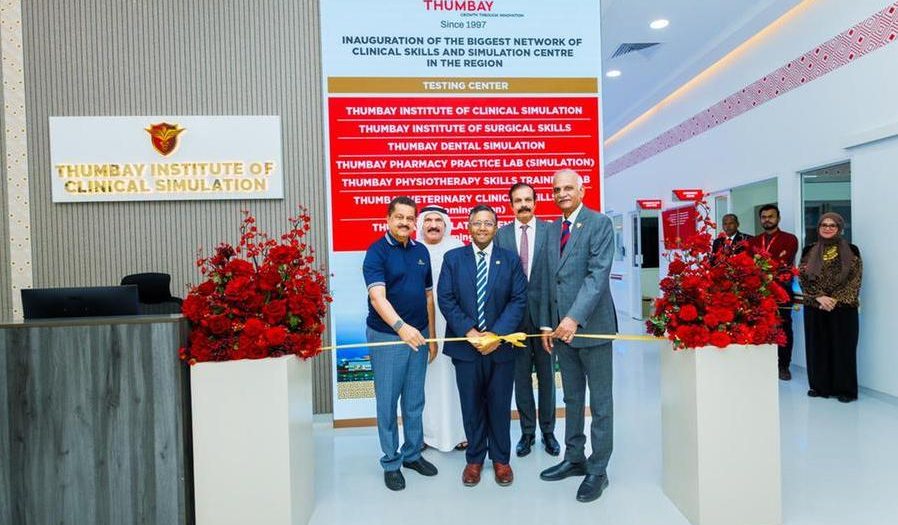
Gulf Medical University has opened what it claims is the largest integrated network of clinical skills and simulation centers in the Middle East. The facility brings six specialized training centers together at GMU's Ajman campus, creating a single location where students can practice medical procedures before treating real patients.
The move comes as medical schools worldwide shift toward simulation-based training to improve patient safety and reduce errors. The approach lets students make mistakes in controlled environments rather than on actual patients.
How does it work?
The network includes six dedicated facilities covering different areas of healthcare training:
- Clinical simulation for general medical training
- Surgical skills practice
- Dental simulation
- Pharmacy practice lab
- Physiotherapy skills training
- Veterinary clinical skills (launching soon)
Students across medicine, dentistry, pharmacy, physiotherapy, and allied sciences can now practice everything from basic sutures to complex emergency procedures in the same building. The centers also conduct formal clinical assessments and team-based emergency drills.
"Students work in a safe simulated environment before working on real patients. That improves patient outcomes," said Prof. Manda Venkatramana, GMU's Chancellor.
Why does it matter?
Medical education is moving rapidly toward simulation training as the primary way to teach clinical skills. Traditional methods that put students directly onto hospital wards are increasingly seen as risky for both patients and learning outcomes.
The scale of GMU's facility is unusual. Most medical schools operate individual simulation labs, but few have integrated networks of this size. Dr. Ashwin Fernandes from QS World University Rankings, who spoke at the launch, called the approach "genuinely rare in simulation education."
GMU plans to open the network to other institutions across the Gulf region. Universities and hospitals can visit to study the model and explore partnerships - potentially spreading this approach more widely.
The context
GMU is part of the UAE's push to become a regional hub for medical education and healthcare. The country has been investing heavily in medical infrastructure and trying to attract international students and faculty.
The university, established in 1998 as part of Thumbay Group, already runs programs across medicine, dentistry, pharmacy, and nursing. This simulation network represents its biggest single investment in hands-on training facilities.
Simulation-based medical training has grown rapidly worldwide since the 2000s, driven by patient safety concerns and advances in medical technology. The approach is now standard at leading medical schools globally, but the Middle East has lagged behind North America and Europe in adoption.
Latest @
Blueprint lands in the UAE as longevity moves from policy to product
M42 launches 10,000-patient wearable pilot in Abu Dhabi to reshape chronic disease care
Unilabs Middle East and Takalam link diagnostics to mental health in one app
Al Ghurair enters healthcare with Trellis Health launch in Dubai
💡Did you know?
You can take your DHArab experience to the next level with our Premium Membership.👉 Click here to learn more
🛠️Featured tool
 Easy-Peasy
An all-in-one AI tool offering the ability to build no-code AI Bots, create articles & social media posts, convert text into natural speech in 40+ languages, create and edit images, generate videos, and more.
👉 Click here to learn more
