

23andMe partners with HealthEx to merge DNA data with medical records
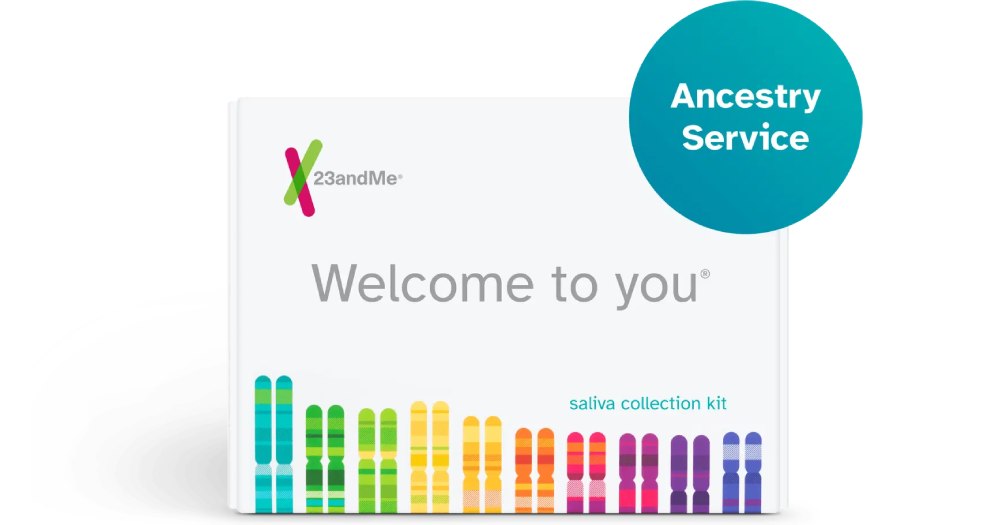
23andMe is partnering with medical records platform HealthEx to give users a complete picture of their health by combining genetic data with their actual medical history. The collaboration allows 23andMe members to connect their medical records directly to their DNA profiles through a new feature called Health Summary, currently available to beta testers.
The partnership represents one of the first times a major consumer genetics company has integrated real-time medical records at scale. More than 30,000 23andMe members have already joined the beta program to test how their genetic information can work alongside their actual health data.
How will it work?
The Health Summary feature uses AI to analyze multiple data sources and provide personalized health recommendations:
- Genetic data from 23andMe's DNA analysis
- Medical records accessed through HealthEx
- Blood lab results and test history
- Lifestyle information provided by users
HealthEx provides the technical infrastructure to securely connect medical records from healthcare providers. The platform uses the federal Trusted Exchange Framework and Common Agreement (TEFCA), which allows automated access to medical data instead of requiring manual uploads or navigating multiple patient portals.
"Genetics reveals your predispositions. Clinical data shows where you stand today," said Priyanka Agarwal, co-founder and CEO of HealthEx. "23andMe's AI Health Summary is the first time those two layers have come together in a way that's seamless, consented, and built for individuals."
Users maintain full control over their data and can stop sharing or delete their information through HealthEx at any time. The system requires explicit consent and uses enterprise-grade encryption that meets HIPAA standards.
Why does it matter?
This partnership addresses a major gap in personalized healthcare. While genetic testing can reveal predispositions to certain conditions, it doesn't show your current health status. Medical records provide that real-time picture but often lack the genetic context that could make them more useful for prevention.
"We are moving toward a world of dynamic disease risk predictions based on an individual's most current health data," said Robin Smith, Head of Product at the 23andMe Research Institute. "The goal is to provide better, more personalized insights by bridging the gap between an individual's DNA and their medical records."
The integration could make health recommendations more actionable. Instead of generic advice based on population averages, users get suggestions tailored to both their genetic makeup and current health status. This could help people focus on the health areas that matter most for their specific situation.
The context
23andMe has been expanding beyond basic ancestry and genetic testing as the consumer DNA market has matured. The company now operates as a nonprofit research organization and has collected data from more than 11 million participants, generating over 4 billion health-related data points.
The move comes as healthcare increasingly focuses on prevention and personalization. Technology companies and healthcare providers are racing to create tools that can predict health issues before they become serious problems. However, most efforts have focused on either genetic data or medical records, not both together.
The partnership also highlights growing interest in giving consumers more control over their health data. TEFCA, the federal framework that enables this integration, was designed to make it easier for people to access and share their own medical information across different healthcare systems.
HealthEx has positioned itself as a leader in this space by focusing specifically on individual access to medical records rather than provider-to-provider data sharing, which has been the traditional focus of health information exchanges.
Latest @
Blueprint lands in the UAE as longevity moves from policy to product
M42 launches 10,000-patient wearable pilot in Abu Dhabi to reshape chronic disease care
Unilabs Middle East and Takalam link diagnostics to mental health in one app
Al Ghurair enters healthcare with Trellis Health launch in Dubai
💡Did you know?
You can take your DHArab experience to the next level with our Premium Membership.👉 Click here to learn more
🛠️Featured tool
 Easy-Peasy
An all-in-one AI tool offering the ability to build no-code AI Bots, create articles & social media posts, convert text into natural speech in 40+ languages, create and edit images, generate videos, and more.
👉 Click here to learn more
