

Saudi hospital redefines robotic surgery with world-first transplants
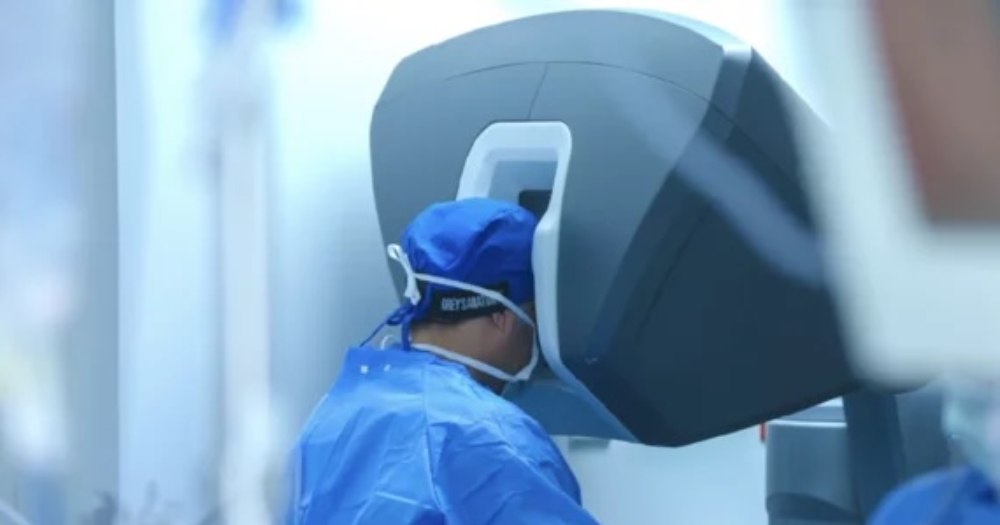
King Faisal Specialist Hospital and Research Centre (KFSH) in Saudi Arabia is making robotic surgery the backbone of its specialized care operations. The hospital recently performed the world's first fully robotic heart transplant and liver transplant, marking a shift from treating robotics as optional technology to making it central to surgical operations.
The hospital isn't just doing individual robotic procedures. It has built an entire clinical model around precision robotics that now spans transplantation, cancer surgery, and neuroscience. This approach is reducing hospital stays dramatically while improving patient outcomes across complex procedures.
How does it work?
KFSH has integrated robotic surgery across multiple medical specialties rather than limiting it to specific departments. The hospital's model combines:
- Precision robotic instruments for minimally invasive procedures
- Real-time data collection during surgery
- Standardized surgical protocols across different specialties
- Integration with routine clinical workflows
The system reduces variability in surgical outcomes by using consistent robotic techniques. For example, robotic abdominal lymph node dissection now requires just one day in hospital compared to five to seven days for traditional open surgery. Patients also experience less blood loss, reduced pain, and fewer complications.
Why does it matter?
This represents a major shift in how hospitals approach surgical technology. Rather than adopting robots for specific procedures, KFSH has made robotics the foundation of its entire surgical program. The results are significant:
- Hospital stays reduced from 5-7 days to as little as one day for complex procedures
- Lower blood loss and postoperative pain
- Reduced complication risks across multiple surgery types
- More predictable outcomes for high-risk cases
The approach could influence how other major medical centers adopt surgical robotics. By treating robotics as core infrastructure rather than specialty equipment, hospitals might achieve better patient outcomes at scale.
The context
KFSH ranks 12th globally among academic medical centers and first in the Middle East and North Africa region. The hospital has also earned recognition as the most valuable healthcare brand in the Middle East according to Brand Finance 2025.
The hospital is sharing its robotic surgery model at the C3 Davos of Healthcare Silicon Valley Summit 2026, where healthcare leaders are discussing next-generation medical technologies. This timing reflects growing industry interest in systematic approaches to surgical innovation rather than isolated technological upgrades.
Saudi Arabia has been investing heavily in healthcare infrastructure as part of its Vision 2030 economic diversification plan. KFSH's robotic surgery program fits into this broader push to establish the kingdom as a regional healthcare hub through advanced medical capabilities.
Latest @
Blueprint lands in the UAE as longevity moves from policy to product
M42 launches 10,000-patient wearable pilot in Abu Dhabi to reshape chronic disease care
Unilabs Middle East and Takalam link diagnostics to mental health in one app
Al Ghurair enters healthcare with Trellis Health launch in Dubai
💡Did you know?
You can take your DHArab experience to the next level with our Premium Membership.👉 Click here to learn more
🛠️Featured tool
 Easy-Peasy
An all-in-one AI tool offering the ability to build no-code AI Bots, create articles & social media posts, convert text into natural speech in 40+ languages, create and edit images, generate videos, and more.
👉 Click here to learn more
