

Egypt launches nationwide digital pathology network to speed up cancer diagnosis
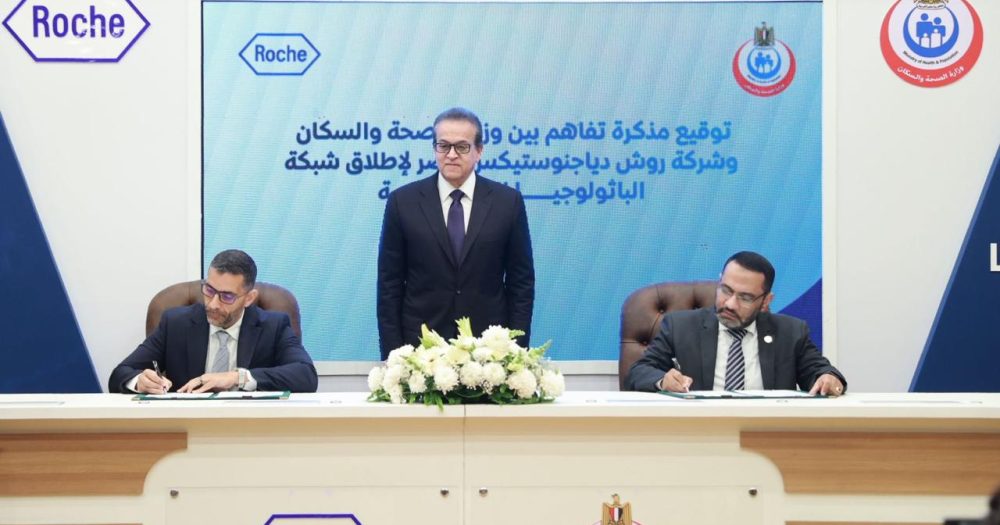
Egypt is building a digital pathology network that will use artificial intelligence to diagnose cancer faster and more accurately across the country. The Health Ministry signed a deal with Swiss diagnostics company Roche to create the system, which converts tissue samples into digital images that AI can analyze.
The network addresses a major problem in Egyptian healthcare: long delays between suspected cancer diagnosis and treatment. Currently, patients wait an average of 49 days, but officials want to cut this to 28 days.
How does it work?
The digital pathology system works by converting traditional pathology samples into high-resolution digital images. These images can then be analyzed using AI algorithms to detect cancer signs and other diseases.
The first phase covers seven locations across Egypt:
- Egyptian Center for Disease Control
- Egyptian Center for Medical Research at Ain Shams University
- Nasser Institute Hospital
- Ministry's central laboratories
- Oncology centers in Sohag, Kafr El-Sheikh, and Beheira
The digital format means pathology samples can be shared instantly between hospitals and specialists, regardless of location. This is particularly important for rural areas where specialized pathologists may not be available locally.
Why does it matter?
The new system promises significant improvements in cancer diagnosis accuracy and speed. Traditional pathology methods achieve roughly 85% diagnostic accuracy, while the digital AI-powered approach can reach around 92%.
This accuracy boost could be life-saving for cancer patients, where early and correct diagnosis directly affects survival rates. The system also helps bridge the geographic gap between patients in remote areas and specialist doctors in major cities.
Health Minister Khaled Abdel Ghaffar said the initiative represents a step toward precision medicine and better treatment planning nationwide.
The context
Egypt has been working to modernize its healthcare system and reduce diagnostic delays. The presidential Women's Health Initiative already cut average diagnosis-to-treatment time from 270 days to 49 days, showing the government's focus on healthcare efficiency.
The Roche partnership builds on existing cooperation between Egypt and Switzerland in healthcare innovation. Thomas Baumgartner from the Swiss Embassy in Egypt noted that the project strengthens diagnostic capabilities across the country.
Moataz Nassef, who leads Roche Egypt Diagnostics, described the agreement as part of a long-term partnership to advance diagnostic technologies in Egypt's healthcare system.
Latest @
75,000 samples in: inside Abu Dhabi's AI wastewater early-warning system
Dubai-founded Enhance raises $18.2 million to push deeper into US gym market
Saudi health minister signs MoU with Portugal in push to build global health partnerships
Neuratia Labs names ten fellows for its first global neuroscience research program
💡Did you know?
You can take your DHArab experience to the next level with our Premium Membership.👉 Click here to learn more
🛠️Featured tool
 Easy-Peasy
An all-in-one AI tool offering the ability to build no-code AI Bots, create articles & social media posts, convert text into natural speech in 40+ languages, create and edit images, generate videos, and more.
👉 Click here to learn more
