

Abu Dhabi freezes a nerve to calm MS spasticity, a first for the UAE
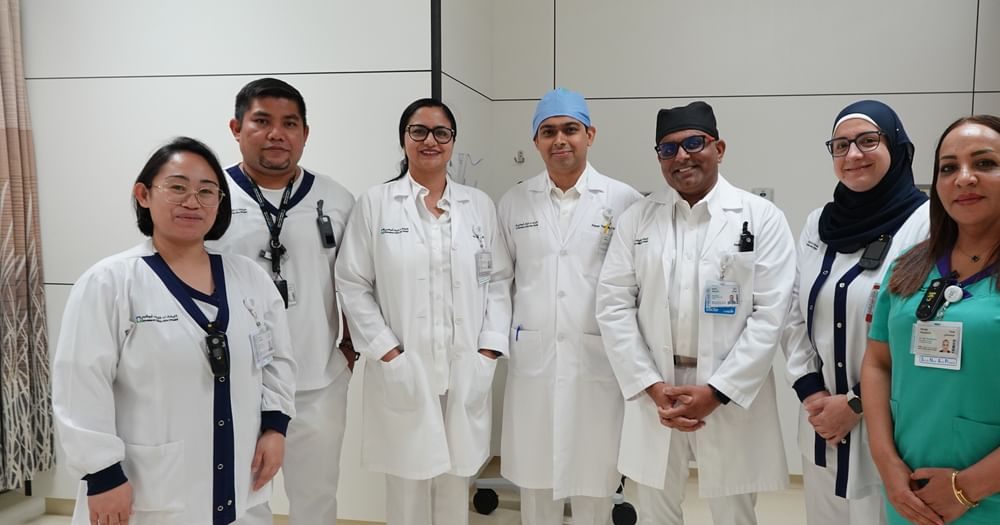
Cold is not usually the first thing you reach for when treating a neurological disease. Yet at Cleveland Clinic Abu Dhabi, a carefully targeted freeze has eased severe leg spasticity in a patient with Multiple Sclerosis (MS). It is the first time the procedure, known as cryoneurolysis, has been performed in the UAE.
Spasticity is one of the most draining symptoms of MS. Muscles tighten and stiffen without warning, walking becomes difficult, and pain follows. For patients with focal spasticity in the lower limbs, daily life can shrink to whatever they can manage between episodes.
How did it work?
Cryoneurolysis uses extreme cold to temporarily disrupt a specific nerve. The clinicians identify the nerve driving the overactive muscle, then apply a very low temperature to it through a thin probe. The cold interrupts the pain and spasm signals travelling along that nerve, without destroying the nerve's structure. That matters, because the nerve can regenerate over time.
The procedure is minimally invasive. The team at Cleveland Clinic Abu Dhabi used it on the patient's lower limbs, and the severe focal spasticity went down. Because the treatment is aimed at one nerve rather than the whole body, it avoids many of the side effects that come with oral medication.
Why does it matter?
MS patients often cycle through muscle relaxants, injections and physiotherapy, and each has limits. Oral drugs can cause drowsiness and weakness. Injections wear off and must be repeated. A local, drug-free option adds something genuinely different to the toolbox.
The benefits for patients are practical:
- Less stiffness and pain in the affected limb
- Better movement and easier participation in rehabilitation
- Fewer systemic side effects than oral treatment
- A short, minimally invasive procedure
But one case is not a trial. Clinicians will need to follow how long the relief lasts and which patients benefit most. Those answers will decide whether cryoneurolysis becomes routine or stays a specialist option.
The context
This result fits a clear pattern in the Gulf. Abu Dhabi has spent years positioning itself as a centre for advanced care, and the UAE's health strategy rewards hospitals that bring new techniques home rather than sending patients abroad. Saudi Arabia's Vision 2030 health goals push the same way, with a focus on specialised services delivered locally.
Neurological disease is part of the reason. MS is not rare in the region, and patients often need years of coordinated care. Offering advanced symptom management close to home reduces travel, cost and disruption for families.
So the freeze itself is small. The signal is larger. When a hospital in Abu Dhabi can be the first in the country to offer a technique like this, it tells patients and policymakers that the region's medical capability is catching up with its ambition. The next step is evidence, and that means more patients, longer follow-up and published results.
Latest @
Abu Dhabi freezes a nerve to calm MS spasticity, a first for the UAE
Cambridge Health Group and Heriot-Watt University join forces on rehabilitation research
Khalifa University and Sanofi turn to the genome to understand asthma and COPD in the Gulf
Abu Dhabi puts an AI assistant inside every physician's patient record
ADCAN Pharma and M42 sign MoU to build up UAE drug manufacturing and clinical research
💡Did you know?
You can take your DHArab experience to the next level with our Premium Membership.👉 Click here to learn more
🛠️Featured tool
 Easy-Peasy
An all-in-one AI tool offering the ability to build no-code AI Bots, create articles & social media posts, convert text into natural speech in 40+ languages, create and edit images, generate videos, and more.
👉 Click here to learn more
