

Virtual patients could fix medtech’s diversity problem before a device ever reaches a trial
Most heart valves and stents are tested on a few hundred people. Millions may end up receiving them. That gap is where adsilico, a University of Leeds spinout, has built its business, and investors have just put £10 million behind it.
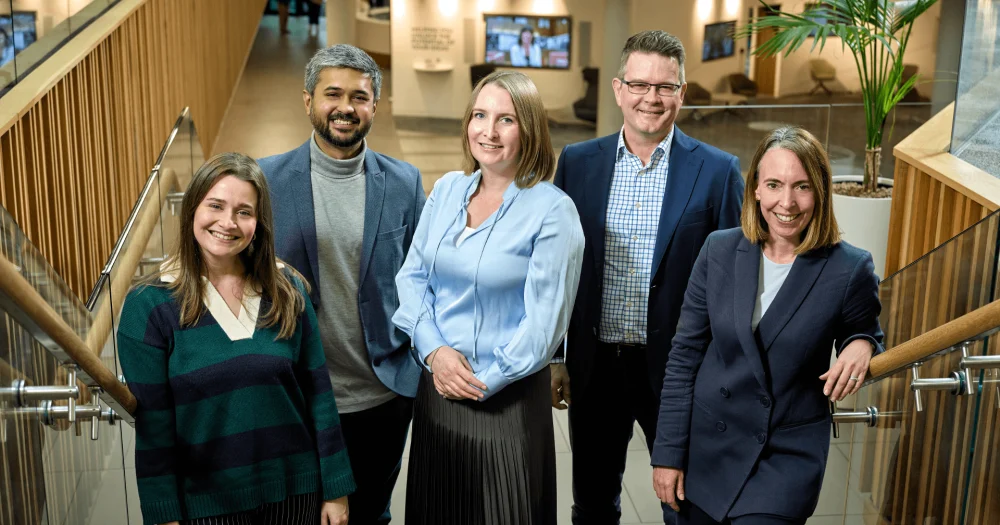
The Series A round was led by PXN Ventures, with existing backers Northern Gritstone and Parkwalk also taking part. The company was founded in 2024 by Sheena Macpherson, Dr Nishant Ravikumar and Dr Zeike Taylor. Its aim is to help device manufacturers understand how an implant will behave in different bodies before clinical trials begin.
How does it work?
The company's platform is called Virtual Chimera. It uses generative AI to create virtual hearts and blood vessels from anonymised clinical scans. Physics-based simulations are then run on those models, so a manufacturer can see how a device performs across virtual populations that vary by age, sex, ethnicity, body size and medical condition.
The output feeds into practical decisions. Manufacturers can use it to:
- Work out which device sizes are needed
- Identify patients at higher risk
- Refine the design of clinical trials
It sits alongside existing testing, not in place of it. But the company says it can flag problems earlier, support more targeted studies and potentially reduce reliance on animal testing.
Why does it matter?
Recruiting a diverse trial population is slow and expensive, so many trials simply don't do it well. The result, in Macpherson's words, is that patients miss out on a life-saving device, or face uncertainty about whether it will work for them, because people like them weren't represented in design and testing.
Her pitch to manufacturers is about timing. Learning how anatomical diversity affects a device while the design can still change is far cheaper than discovering it after launch. And it is far better for the patient.
adsilico has already completed projects with heart valve and neurovascular device makers. Its cardiac research is due to be presented at TCT, a meeting on structural heart therapies. The new money will go towards developing the virtual heart models, expanding into neurovascular devices such as flow diverters for brain aneurysms, and hiring more staff as the technology moves into other therapeutic areas.
The context
For the Gulf, this is more than a British start-up story. Clinical evidence for many devices is built on populations that look little like those in the GCC, where cardiovascular disease, diabetes and obesity place a heavy load on health systems. A heart valve validated mostly on one demographic may not behave identically in another. Virtual populations offer one way to test that question early.
The approach also fits regional ambitions. Saudi Vision 2030 and the UAE's health strategies both push for local life sciences capability, digital health and personalised care. Simulation-based evidence could support regulators and hospital procurement teams who want proof that a device suits the patients they actually treat. It could also give regional manufacturers and research centres a lower-cost route to generating that evidence.
Caveats remain. Virtual models are only as good as the scans that train them, and regulators will want to see validation before they accept simulation as meaningful evidence. Still, the direction is clear. Medtech has long asked who is missing from its trials. adsilico is betting that software can help answer that earlier.
Latest @
Claude is moving into real drug programs, and the early numbers are hard to ignore
Virtual patients could fix medtech's diversity problem before a device ever reaches a trial
Google puts a governed AI agent between clinicians and their paperwork
Qatar builds the Middle East's first atlas of DNA variants that control gene activity
Cleveland Clinic Abu Dhabi lets doctors watch the gut react to food
💡Did you know?
You can take your DHArab experience to the next level with our Premium Membership.👉 Click here to learn more
🛠️Featured tool
 Easy-Peasy
An all-in-one AI tool offering the ability to build no-code AI Bots, create articles & social media posts, convert text into natural speech in 40+ languages, create and edit images, generate videos, and more.
👉 Click here to learn more
