

The UAE is about to run its first gene-editing trial for a cholesterol disorder
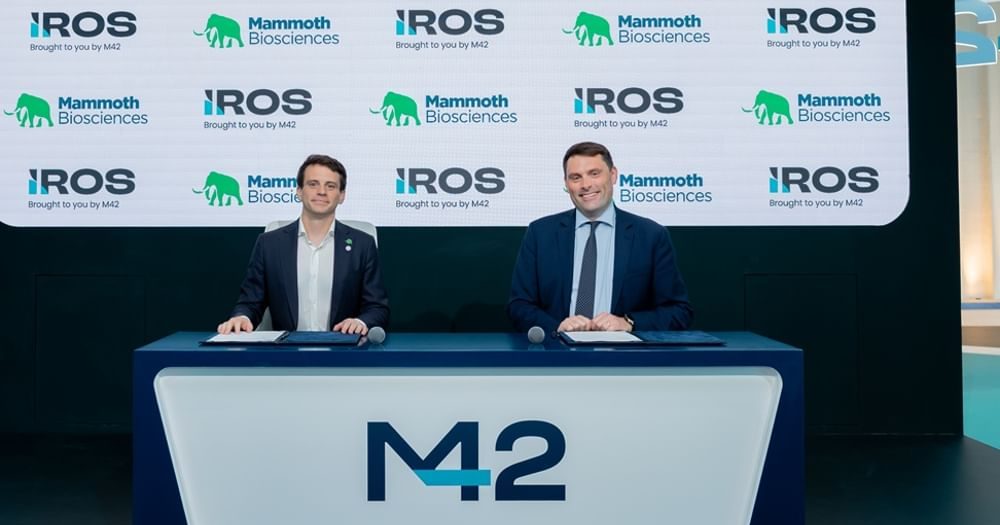
Most gene-editing headlines come from Boston or London. This one comes from Abu Dhabi. IROS, the contract research organisation owned by M42, has joined forces with Mammoth Biosciences to run the UAE's first clinical trial of a gene-editing therapy delivered by lipid nanoparticles (LNPs).
The treatment under study is MB-111, an investigational therapy for patients with severely elevated blood lipid levels. The source announcement was brief, so some trial details, including enrolment numbers, timelines and the exact target gene, have not yet been made public. What is clear is the milestone itself: the country's first trial of this kind.
How will it work?
LNPs are tiny fat-based capsules that carry genetic instructions into cells. Many people know them from mRNA COVID-19 vaccines. Here, the same delivery method is used to carry gene-editing tools to the liver, where cholesterol and other blood fats are regulated.
The idea is simple to state and hard to execute. Instead of asking patients to take daily pills or regular injections for life, a gene-editing therapy aims to change how the body handles lipids at the source. In principle, one treatment could produce a lasting effect. Whether MB-111 does so is exactly what a clinical trial must establish.
IROS will manage the study locally. That means recruiting eligible patients, coordinating sites, and handling regulatory and data requirements. Mammoth Biosciences brings the therapy and the editing technology behind it.
Why does it matter?
Severely raised blood lipids are a serious problem in the Gulf. Cardiovascular disease is a leading cause of death across the GCC, and high rates of diabetes and obesity add to the risk. Patients with inherited or treatment-resistant lipid disorders often cannot reach safe levels with standard drugs alone.
But the significance goes beyond one drug. Running an early gene-editing trial inside the UAE means local clinicians gain direct experience with the therapy, and local patients get access to research that would otherwise happen abroad. It also tests whether regulators, hospitals and laboratories can handle the safety monitoring these studies demand.
That capability is hard to build and easy to lose. A first trial creates a template for the second and third.
The context
M42 was created to turn Abu Dhabi into a hub for genomics, precision medicine and clinical research. The Emirati Genome Programme, which has sequenced hundreds of thousands of people, gives that ambition a data foundation. A gene-editing trial is the logical next step: a place where genomic knowledge meets treatment.
The move also fits wider regional strategy. Saudi Arabia's Vision 2030 prioritises life sciences and local clinical research, and the UAE has spent years courting global biotech firms with faster approvals and strong hospital networks. Partnerships like this one are how those policies become real studies with real patients.
Challenges remain. Gene-editing therapies are expensive, long-term safety data is still limited, and early-phase results can disappoint. Still, the Gulf is no longer waiting for these treatments to arrive. It is helping test them. For healthcare leaders in the region, that shift deserves close attention.
Latest @
Qatar builds the Middle East's first atlas of DNA variants that control gene activity
Cleveland Clinic Abu Dhabi lets doctors watch the gut react to food
Reem Hospital and Yas Clinic Khalifa City join forces in Abu Dhabi
The UAE is about to run its first gene-editing trial for a cholesterol disorder
Schneider Electric and PureHealth bet that greener hospitals will also run better
💡Did you know?
You can take your DHArab experience to the next level with our Premium Membership.👉 Click here to learn more
🛠️Featured tool
 Easy-Peasy
An all-in-one AI tool offering the ability to build no-code AI Bots, create articles & social media posts, convert text into natural speech in 40+ languages, create and edit images, generate videos, and more.
👉 Click here to learn more
