

Abu Dhabi bets on fertility science with a new Merck partnership
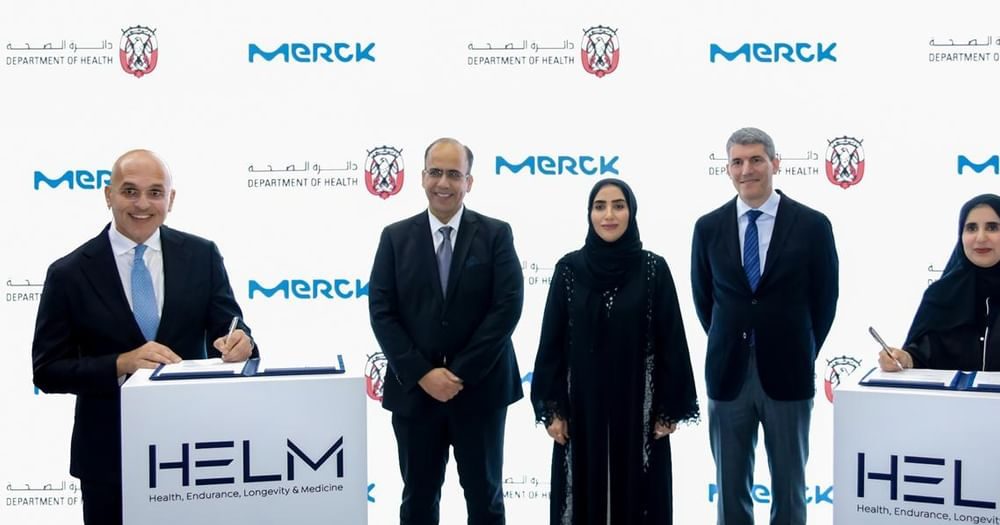
Fertility care rarely makes headlines in health policy, yet it touches some of the most personal decisions a family will ever make. Abu Dhabi's health regulator is now treating it as a strategic priority. The Department of Health (DoH) has signed a Memorandum of Understanding with Merck to advance fertility and reproductive medicine across the Emirate.
The agreement centres on professional education, scientific exchange and research. The source material is brief on specifics, so the details of individual programmes have yet to be made public. But the direction is clear: build clinical expertise at home and connect local practitioners with global science.
How will it work?
An MoU is a framework, not a funding announcement. It sets out where two parties intend to cooperate, and the work follows. Here, the collaboration is built around three areas:
- Professional education for clinicians and specialists working in fertility and reproductive health
- Scientific exchange between Abu Dhabi's medical community and Merck's international research network
- Joint research activity to generate evidence relevant to the region
DoH will bring its authority as the sector regulator. Merck will bring its scientific and technical depth in reproductive health. Together they can shape training standards and research priorities, and that matters more than any single event or workshop.
Why does it matter?
Infertility is a real public health issue in the Gulf. Rates of lifestyle conditions such as obesity and diabetes, both linked to reproductive health, are high across the GCC. Many couples also seek treatment later in life. And demand for assisted reproduction keeps growing.
So the quality of local expertise counts. Patients who can find advanced, evidence-based care in Abu Dhabi are less likely to travel abroad for it. That keeps clinical talent, spending and data inside the Emirate. It also gives the regulator a stronger hand in setting consistent standards.
There is a demographic angle too. Several Gulf governments have made family growth and population health part of their long-term planning, and fertility services sit squarely within that thinking.
The context
This deal fits a pattern. Abu Dhabi has spent years positioning itself as a hub for life sciences, with genomics, precision medicine and clinical research all receiving sustained policy attention. The Emirati Genome Programme and the Healthcare Sector strategy from DoH point the same way: move from treating illness to anticipating it, and base decisions on local data.
Across the GCC, the same logic runs through Saudi Vision 2030 and its health sector transformation programme, which also stresses localised expertise, private sector partnership and better outcomes. Reproductive health is a natural next step, because it combines clinical need with research potential and economic value.
Still, an MoU is only a beginning. The test will be whether it produces trained specialists, published research and measurable improvements in patient care. Health leaders should watch for concrete programme launches over the coming months. If they arrive, Abu Dhabi will have shown how a regulator can work with industry to build capability, not just oversee it.
Latest @
Qatar builds the Middle East's first atlas of DNA variants that control gene activity
Cleveland Clinic Abu Dhabi lets doctors watch the gut react to food
Reem Hospital and Yas Clinic Khalifa City join forces in Abu Dhabi
The UAE is about to run its first gene-editing trial for a cholesterol disorder
Schneider Electric and PureHealth bet that greener hospitals will also run better
💡Did you know?
You can take your DHArab experience to the next level with our Premium Membership.👉 Click here to learn more
🛠️Featured tool
 Easy-Peasy
An all-in-one AI tool offering the ability to build no-code AI Bots, create articles & social media posts, convert text into natural speech in 40+ languages, create and edit images, generate videos, and more.
👉 Click here to learn more
