

Samsung’s wearables now grade sleep apnea, not just flag it
Most people who have sleep apnea don't know it. That is the real problem Samsung is chasing, and a ring or watch worn overnight may be a better answer than a clinic visit most people never book.
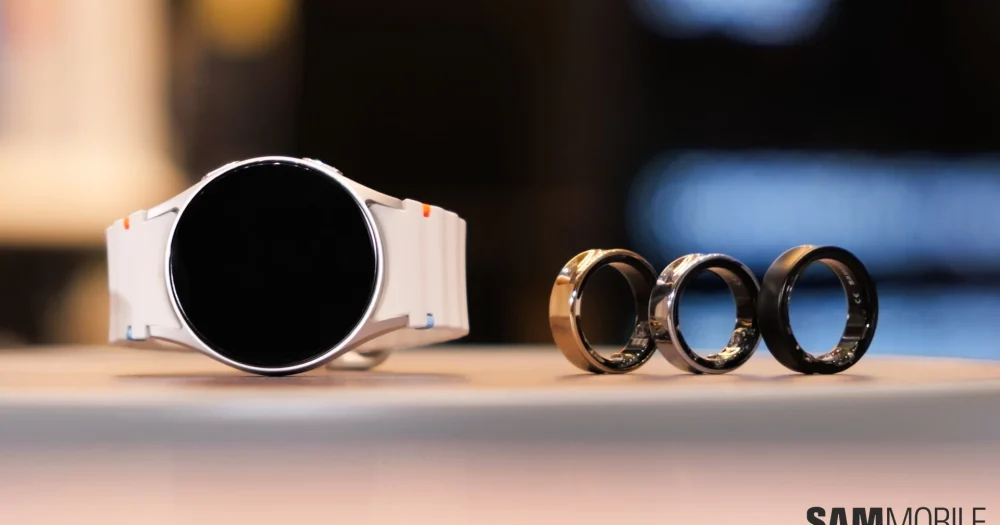
The company has announced an improved Sleep Apnea Detection feature for the Galaxy Ring and its latest Galaxy Watches. South Korea gets it first, after the country's Ministry of Food and Drug Safety (MFDS) approved it. Rollout begins in November.
How does it work?
The older version gave a simple answer: signs of sleep apnea were either present or absent. The new one is more specific. Samsung's algorithms use AI to analyze breathing data and sort sleep disturbances into three levels: mild, occasional and frequent.
Getting a result takes some commitment. Users must record at least five hours of sleep on two nights within a 10-day period, using the Samsung Health Monitor app. That is a reasonable bar, but it means the feature rewards consistent wearers.
Availability will come in stages. The Galaxy Ring, Galaxy Watch 9 and Galaxy Watch Ultra 2 get it first in South Korea. The Galaxy Watch 7, Galaxy Watch Ultra, Galaxy Watch 8 and Galaxy Watch 8 Classic follow later. Older models are left out and will keep the earlier version.
Why does it matter?
Sleep apnea is often linked to hypertension and stroke. Catching it early is therefore not a lifestyle nicety. It is a cardiovascular issue. A graded result also gives a clinician something more useful to work with than a yes or no, and it may help a user decide whether a sleep study is worth pursuing.
Samsung is careful on one point. It describes the feature as a preventive wellness tool for adults, not a replacement for professional diagnosis. That framing is right. A wearable can raise a flag, but a physician still has to interpret it.
For GCC readers, the relevance is direct. Obesity and diabetes rates across the Gulf are high, and both raise the risk of sleep-disordered breathing. Yet sleep medicine capacity is thin in many markets, and awareness is low. A tool that sits on the wrist and screens quietly could widen the funnel into care.
The context
Regulatory approval is the detail to watch. The MFDS clearance gives Samsung a credible foundation in South Korea, and similar clearances will decide how quickly the feature reaches other markets. Gulf regulators, including the UAE's Ministry of Health and Prevention and the Saudi Food and Drug Authority, have been building frameworks for digital health tools. None has yet been announced for this feature.
The move also fits a wider trend. Wearables are shifting from step counters to screening devices, and governments pursuing Vision 2030 and the UAE's preventive health agenda want exactly that: earlier detection, fewer hospital admissions, and more data in the hands of citizens.
Still, questions remain. How accurate is the grading against clinical polysomnography? How will data be handled under regional privacy rules? And will primary care physicians know what to do with a patient who arrives with a smartwatch report? Those answers will matter more than the feature list.
Latest @
Qatar builds the Middle East's first atlas of DNA variants that control gene activity
Cleveland Clinic Abu Dhabi lets doctors watch the gut react to food
Reem Hospital and Yas Clinic Khalifa City join forces in Abu Dhabi
The UAE is about to run its first gene-editing trial for a cholesterol disorder
Schneider Electric and PureHealth bet that greener hospitals will also run better
💡Did you know?
You can take your DHArab experience to the next level with our Premium Membership.👉 Click here to learn more
🛠️Featured tool
 Easy-Peasy
An all-in-one AI tool offering the ability to build no-code AI Bots, create articles & social media posts, convert text into natural speech in 40+ languages, create and edit images, generate videos, and more.
👉 Click here to learn more
