

Saudi surgeons use a robot to fix a degenerated spine, and the patient walks within the hour
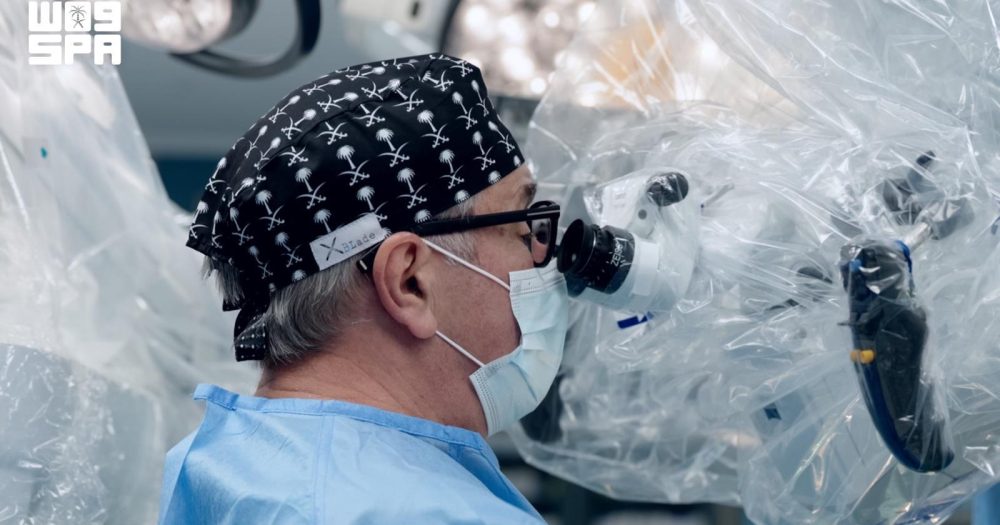
One hour. That is how long it took a Saudi patient with severely degenerated lumbar vertebrae to stand up and walk after spine surgery. For a procedure that has traditionally meant long recoveries and heavy tissue damage, that is a striking number.
The operation took place at the Prince Naif Center for Medical Excellence and Innovation in Riyadh. A specialized team from the Ministry of Interior's Medical Services carried it out, and the Saudi Press Agency reported it on October 14, 2026 as the Kingdom's first minimally invasive robot-assisted lumbar spine surgery.
How did it work?
The team used the ExcelsiusGPS robotic surgical system. It pairs surgical navigation with a robotic arm. Surgeons plan the procedure in advance, then use the arm to guide their instruments precisely during the operation.
That precision is what allows the minimally invasive approach. Smaller access points and better guidance mean less harm to the muscles and tissues around the spine. Less harm usually means less pain and a quicker return to movement, which fits with what this patient experienced.
The system does not replace the surgeon. The surgeon still plans, decides and operates. The robot keeps the instruments on the intended path.
Why does it matter?
Lumbar degeneration is common, and it affects working-age adults and older patients alike. Patients who face open spinal surgery often worry about the risks and the long rehabilitation. A technique that gets someone walking within an hour changes that conversation.
It also matters for hospital capacity. Faster mobilization can shorten stays and free up beds, a practical gain for any health system managing growing demand for specialized care.
And there is the matter of skills. The center says it intends to draw on national expertise and international experience to improve surgical practice and transfer knowledge. If that happens, the benefit reaches well beyond one patient, because trained surgeons carry the technique into other hospitals.
The context
This milestone fits the direction of Saudi Vision 2030, where health sector transformation depends on advanced technology, local expertise and better quality of specialized care. Keeping complex procedures inside the Kingdom, rather than sending patients abroad, is part of that aim.
The Ministry of Interior's Medical Services program operates medical cities, and Prince Naif Center is described as one of its first milestones in this area. So this is an early step, not a finished program.
The wider Gulf picture is similar. The UAE and other GCC states have been investing in robotic surgery and digital health tools, and competition for regional medical excellence is real. Patients across the region increasingly expect world-class spinal care close to home.
Still, one successful case is a beginning. The real test will be volume, outcomes over time and how quickly other surgeons are trained. If the center publishes results and shares its methods, this first operation could become the start of a routine service rather than a single headline.
Latest @
Saudi surgeons use a robot to fix a degenerated spine, and the patient walks within the hour
Epic's Prescription Marketplace puts pharmacy cash prices on the doctor's screen
Your medical device may soon talk back
The AMA wants every health AI agent to answer four questions
Oracle and AstraZeneca bet that the next clinical trial patient is already in your hospital system
💡Did you know?
You can take your DHArab experience to the next level with our Premium Membership.👉 Click here to learn more
🛠️Featured tool
 Easy-Peasy
An all-in-one AI tool offering the ability to build no-code AI Bots, create articles & social media posts, convert text into natural speech in 40+ languages, create and edit images, generate videos, and more.
👉 Click here to learn more
