

Samsung earbuds may soon double as hearing aids
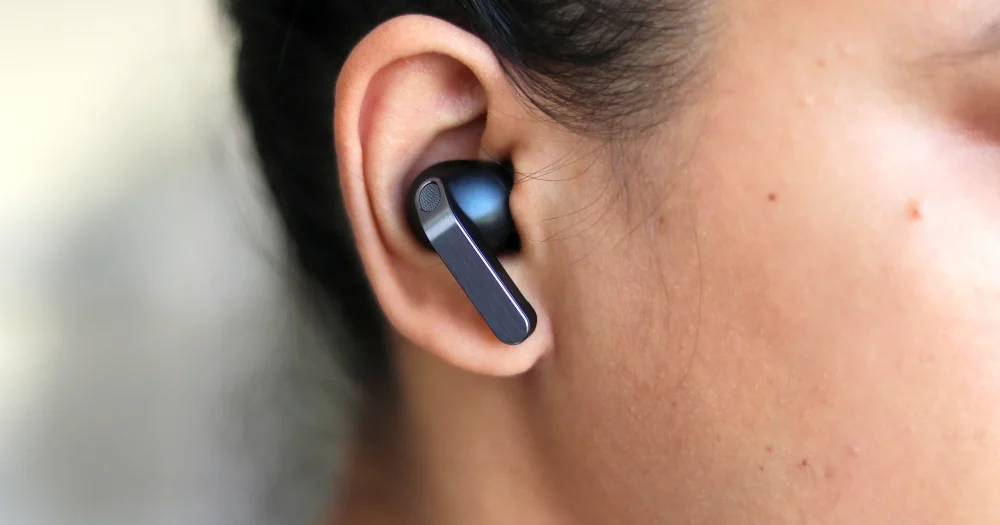
Most people with mild hearing loss never buy a hearing aid. Cost, stigma and the hassle of an audiology appointment keep them away. Samsung thinks a pair of earbuds could change that, and regulators in two major markets have now agreed the idea is worth taking seriously.
The company has announced that the Galaxy Buds 3 Pro and Galaxy Buds 4 Pro will work as hearing aids. The feature is due to roll out in early 2027. South Korea's Ministry of Food and Drug Safety (MFDS) has approved the Hearing Check and Hearing Care tools as digital medical device software. That follows approval from the US FDA earlier this year.
How will it work?
Everything runs from the Galaxy Buds settings menu on a connected Galaxy smartphone. The first step is a hearing test based on clinical-grade pure-tone air conduction audiometry. The earbuds play tones across a range of frequencies, and the system records the quietest sound the user can hear in each ear.
From those results, the software builds a personalized audiogram and sorts hearing ability into six levels. Users then receive recommendations and follow-up guidance matched to their severity level.
The hearing aid function relies on NAL-NL2, a global clinical prescription formula developed by Australia's National Acoustical Laboratories. The Buds use it to calculate the right amount of amplification for each frequency band. They boost only the sounds the wearer struggles to hear, rather than turning up everything.
Hearing Care is designed for adults aged 18 and older who suspect mild-to-moderate hearing loss. It lets them tune their hearing assistance without first visiting an audiologist.
Why does it matter?
Untreated hearing loss is linked to social isolation, cognitive decline and reduced work performance. Yet uptake of hearing devices stays low worldwide. A device people already own, and already wear in public, removes much of the awkwardness.
For clinicians, this is a useful screening tool. A patient who runs a test at home may arrive at a clinic earlier, with data in hand. But it is not a replacement for professional diagnosis, and severe loss still needs specialist care.
The commercial signal is also clear. Consumer electronics firms are moving into regulated medical territory, and approvals from the FDA and MFDS give Samsung credibility that a simple wellness feature would lack.
The context
The GCC has good reasons to watch this closely. Governments across the region are pushing digital health under programs such as Saudi Vision 2030 and the UAE's national health strategies. Both emphasize prevention, early detection and wider access to care. Low-cost, smartphone-based hearing screening fits that agenda neatly.
Samsung has no regional timeline yet. Rollout depends on approval from each national regulator, such as the Saudi Food and Drug Authority and the UAE Ministry of Health and Prevention. Health authorities in the Gulf have been open to digital therapeutics, so the path may not be long.
Still, the region's ageing populations, rising rates of diabetes and high exposure to noise all point to growing demand for hearing care. If these earbuds deliver in 2027, regional health systems will need to decide how consumer devices fit into audiology pathways. That conversation is worth starting now.
Latest @
Qatar builds the Middle East's first atlas of DNA variants that control gene activity
Cleveland Clinic Abu Dhabi lets doctors watch the gut react to food
Reem Hospital and Yas Clinic Khalifa City join forces in Abu Dhabi
The UAE is about to run its first gene-editing trial for a cholesterol disorder
Schneider Electric and PureHealth bet that greener hospitals will also run better
💡Did you know?
You can take your DHArab experience to the next level with our Premium Membership.👉 Click here to learn more
🛠️Featured tool
 Easy-Peasy
An all-in-one AI tool offering the ability to build no-code AI Bots, create articles & social media posts, convert text into natural speech in 40+ languages, create and edit images, generate videos, and more.
👉 Click here to learn more
