

WHOOP adds on-demand doctor consultations and smarter AI coaching to fitness tracker
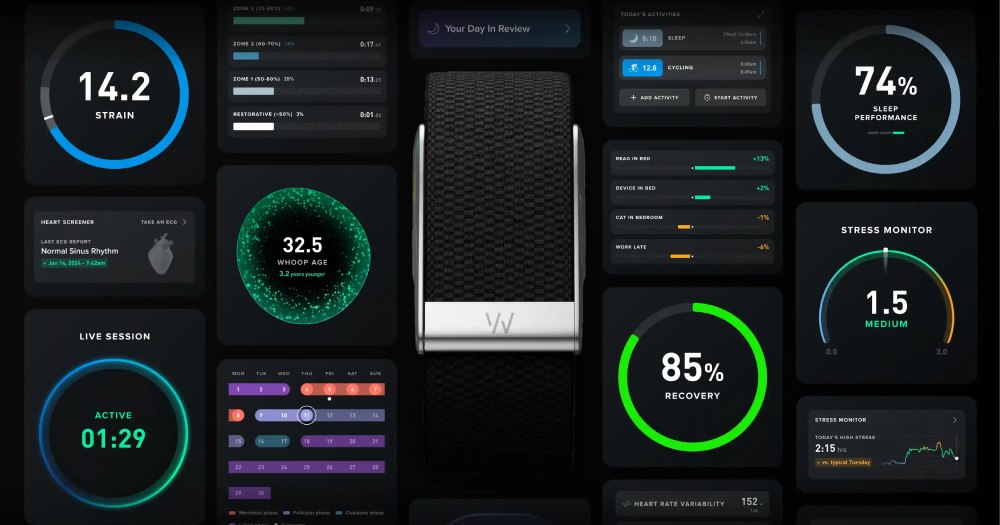
WHOOP is making a big bet on healthcare. The fitness wearable company announced new features that let members video chat with licensed clinicians directly through its app. The move signals WHOOP's expansion beyond fitness tracking into actual medical support.
The update also includes major improvements to WHOOP's AI coaching system. The AI can now remember your personal health context and proactively suggest changes to your routine based on your data patterns.
How does it work?
The clinician feature launches in the US this summer. Members can book on-demand video consultations with licensed healthcare providers without leaving the WHOOP app. These aren't your typical telehealth calls - the clinicians will have access to months of your continuous biometric data before the conversation starts.
WHOOP is also adding Electronic Health Record (EHR) syncing through a partnership with HealthEx. This means your medical history, medications, and diagnoses will sync directly into the app. The idea is to give both you and the clinicians a complete picture of how your health conditions affect your recovery and performance metrics.
The AI improvements center around two new features:
- My Memory: A place where you can add, edit, or delete personal context so the AI understands your specific situation and goals
- Proactive Check-Ins: The AI will suggest actions at the right time, like prioritizing sleep before a big presentation or adjusting workouts when you're traveling
The WHOOP Journal also got an overhaul. You can now log habits and life events by voice or text, and the AI will suggest new things to track based on patterns it spots in your data.
Why does it matter?
This update shows how wearable companies are trying to become more than just data collectors. WHOOP is betting that continuous health monitoring plus clinical expertise will create better health outcomes than either approach alone.
The timing makes sense from a business perspective too. WHOOP operates on a subscription model rather than one-time hardware sales. Adding healthcare services gives them more ways to justify the monthly fee and potentially charge premium rates.
For users, the appeal is convenience and context. Instead of explaining your health history to a new doctor every time, the clinician already knows your sleep patterns, heart rate variability, and how your body responds to different stressors.
The context
WHOOP isn't the first wearable company to move into healthcare services. Apple has been slowly adding health features to the Apple Watch, including FDA-cleared ECG and blood oxygen monitoring. Fitbit (now owned by Google) has experimented with premium health features and stress management tools.
The difference is WHOOP's focus on continuous monitoring rather than spot checks. While most fitness trackers give you daily or weekly summaries, WHOOP tracks your biometrics 24/7 and claims this gives a more complete picture of your health patterns.
The company has raised over $950 million in funding and serves millions of users worldwide, including professional athletes and military personnel. The new features represent WHOOP's biggest expansion beyond its core fitness tracking business since launching in 2012.
WHOOP also announced several other improvements coming soon, including better heart rate accuracy, improved workout detection, and deeper integrations with other fitness apps.
Latest @
Blueprint lands in the UAE as longevity moves from policy to product
M42 launches 10,000-patient wearable pilot in Abu Dhabi to reshape chronic disease care
Unilabs Middle East and Takalam link diagnostics to mental health in one app
Al Ghurair enters healthcare with Trellis Health launch in Dubai
💡Did you know?
You can take your DHArab experience to the next level with our Premium Membership.👉 Click here to learn more
🛠️Featured tool
 Easy-Peasy
An all-in-one AI tool offering the ability to build no-code AI Bots, create articles & social media posts, convert text into natural speech in 40+ languages, create and edit images, generate videos, and more.
👉 Click here to learn more
