

US: athenahealth and b.well launch patient-controlled digital health data sharing at the Point of Care
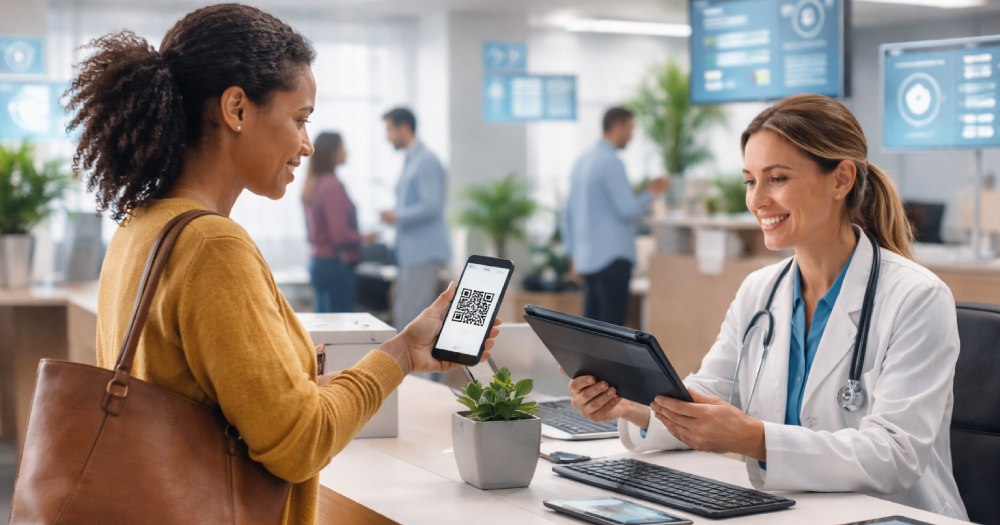
Healthcare has always had a data problem. Patients carry lifetimes of records that live in siloed portals, fax machines, and sometimes even shoe boxes. On February 9, 2026, athenahealth and b.well Connected Health unveiled a workflow aimed squarely at solving that. Instead of wrestling with logins and paperwork, patients will soon use digital tools to gather and share their health information directly with their care teams. This isn't just a tech demo; it's a practical step toward real interoperability in everyday clinical settings.
How does it work?
At its core, the new workflow is simple and human. Patients use b.well-powered apps to pull together records from different sources into one place. Then, at check-in, they use a QR code to hand that data over to their provider. Here's how it plays out in the clinic:
- Patients gather clinical records and even wearable data into a single digital view.
- They decide what to share and generate a QR code on their phone.
- Staff at practices using athenahealth's cloud platform scan the code.
- The authorized information goes straight into the patient's chart.
- After the visit, summaries flow back to both the athena portal and the patient's apps.
This replaces old-school forms, faxes, and portal juggling with a single scan. And if patients want to include data from their Fitbit or Apple Health, they can. That's something few traditional systems have handled well to date.
Why does it matter?
Because healthcare data has been stuck in knots for decades. Patients shouldn't have to "work around healthcare technology systems to bring their data into care," as b.well founder Kristen Valdes put it. With this new workflow, they "can share exactly what they want, when they want, without losing control of their information."
This matters for two big reasons:
- Better care starts with better data. Practitioners see a more complete picture at the point of care and avoid gaps that can compromise decisions.
- Patients get agency. Instead of being passive recipients, they control their own information flow, just like they do with banking or travel apps.
At a time when health IT is often criticized for complexity and fragmentation, this feels almost refreshing in its clarity.
The context
This isn't happening in a vacuum. U.S. health regulators, including the Centers for Medicare and Medicaid Services, have been pushing a "Kill the Clipboard" initiative to reduce manual intake and fragmented data sharing. athenahealth and b.well both joined the broader Health Tech Ecosystem Initiative in mid-2025, with shared pledges to make interoperability a reality.
athenahealth, a long-time healthcare IT player, has been moving toward nationwide interoperability for years. It recently became the first major vendor to implement the national Trusted Exchange Framework and Common Agreement across its eligible provider network, a step that supports more seamless data flow and patient access.
b.well's platform, built on modern data standards like FHIR, has also been preparing for this moment. The company pledged to become a (Centers for Medicare & Medicaid Services) CMS-Aligned Network, validating a long-held belief that true interoperability starts with patients at the center, not systems.
Taken together, this new workflow signals a shift from isolated data silos and paperwork to a model where information follows the patient, not the other way around. It's a long-awaited step toward digital health that feels as natural as scanning a ticket at an event — only with your most personal information in play.
Latest @
Abu Dhabi launches first UAE clinical trial for gene therapy treating inherited blindness
Mental health platform reaches 600 users in one day across Middle East
Perplexity Health connects all your medical data in one place
Perplexity partners with b.well to give AI health answers using your real medical records
Fitbit's AI coach gets smarter with medical records and sleep tracking
💡Did you know?
You can take your DHArab experience to the next level with our Premium Membership.👉 Click here to learn more
🛠️Featured tool
 Easy-Peasy
An all-in-one AI tool offering the ability to build no-code AI Bots, create articles & social media posts, convert text into natural speech in 40+ languages, create and edit images, generate videos, and more.
👉 Click here to learn more
