

UK study launched to track coughing for virus detection
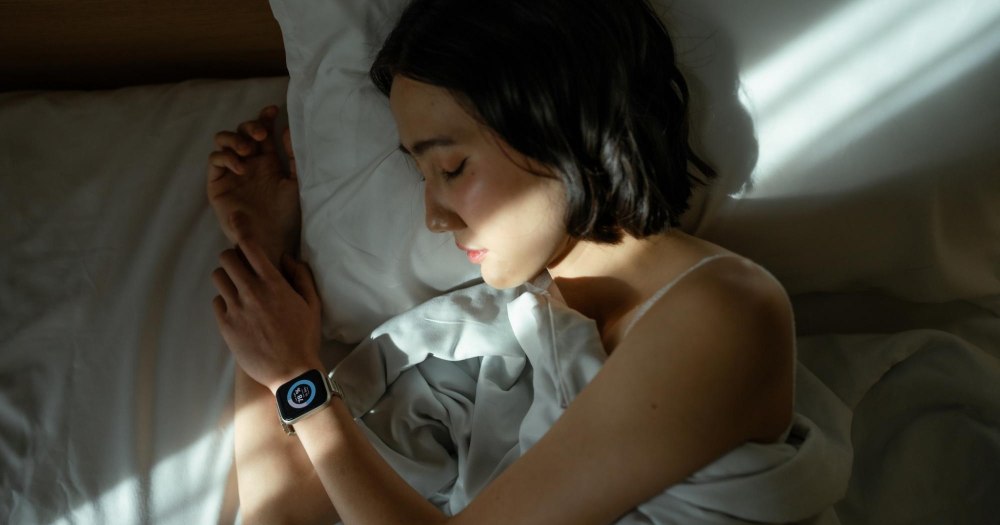
In a world still smarting from pandemic shockwaves and seasonal respiratory surges, scientists are chasing better ways to spot sickness early. The UK Health Security Agency has joined forces with the sleep tech outfit Sleep Cycle on a bold 12-week research project that could change how Britain detects flu, RSV, and Covid-like viruses. Rather than relying just on lab tests and hospital admissions, this study is trying something novel: listening to the coughs we all make while we sleep.
It's a partnership rooted in data, privacy, and a simple idea: coughs may whisper clues long before cases roar.
How will it work?
The research blends digital signals with traditional health data to see if cough sounds can signal the start of a viral wave days earlier than current systems. The plan looks like this:
- Sleep Cycle's smartphone app gathers anonymised cough data from users during the night.
- That data feeds into the agency's secure systems, where researchers compare cough patterns with hospital figures such as NHS admissions.
- Teams look at trends over time and across regions to spot rising cough activity that might signal viral spread.
Keep in mind, this isn't about spying on individuals. All data is stripped of identifying details and shared only in aggregate form under strong privacy safeguards.
Why does it matter?
If this works, it could flip the script on respiratory disease tracking. Public health systems today tend to spot outbreaks only after people get sick enough to seek care. But cough patterns might flick on the warning light before that happens. Prof. Steven Riley, the UKHSA's chief data officer, put it plainly: "This innovative partnership represents a potentially important step toward integrating novel data streams into our national health intelligence."
Imagine knowing a flu wave is rising before the school nurse sees the first sniffle. Think of hospitals getting a heads-up before wards fill. The promise here is a kind of early warning system that feels more like sonar than hindsight.
The context
Britain already boasts robust disease tracking backed by labs, hospitals, and genomic surveillance. But these systems have blind spots, especially early in an outbreak. That's why health agencies have turned to creative data sources before. For example, big symptom tracker apps like the ZOE Health Study helped chart the course of COVID-19 by crowdsourcing self-reported symptoms across the UK.
Using coughs as a signal isn't totally new either. Researchers worldwide have explored AI and sound analysis to detect lung disease and respiratory infections from cough recordings, demonstrating that cough signatures can carry useful health information.
This current project pushes that work into the national public health arena. It's not just a classroom proof of concept, but a real-world test of whether smartphone data can support a national surveillance system. And if the signals prove strong enough, we might all benefit from a bit of digital listening that keeps communities healthier, calmer, and one step ahead of the next seasonal wave.
Latest @
Abu Dhabi launches first UAE clinical trial for gene therapy treating inherited blindness
Mental health platform reaches 600 users in one day across Middle East
Perplexity Health connects all your medical data in one place
Perplexity partners with b.well to give AI health answers using your real medical records
Fitbit's AI coach gets smarter with medical records and sleep tracking
💡Did you know?
You can take your DHArab experience to the next level with our Premium Membership.👉 Click here to learn more
🛠️Featured tool
 Easy-Peasy
An all-in-one AI tool offering the ability to build no-code AI Bots, create articles & social media posts, convert text into natural speech in 40+ languages, create and edit images, generate videos, and more.
👉 Click here to learn more
