

UK: AI and robotic pilot to revolutionise cancer detection
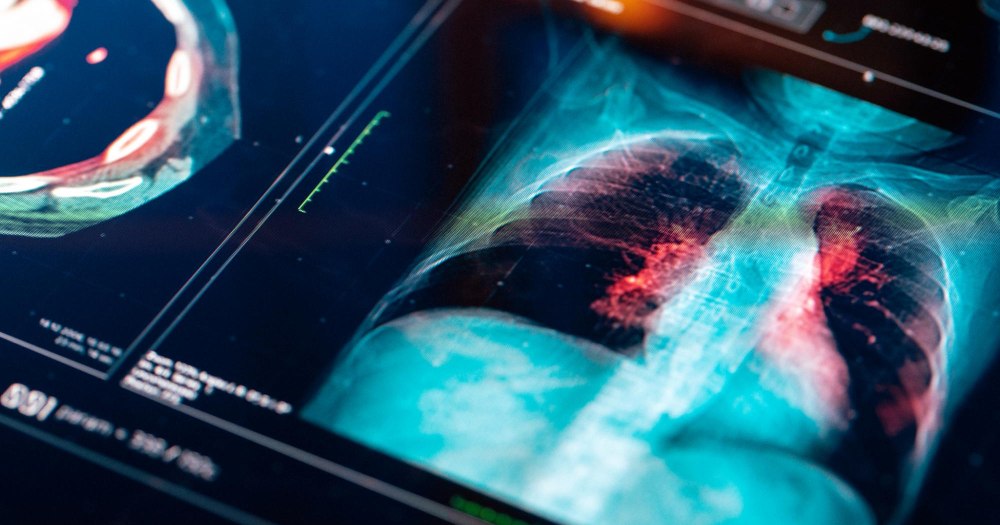
The world of cancer detection just got a shot of pure adrenaline. In London, the NHS has launched a bold pilot that combines artificial intelligence with robotic technology to detect lung cancer earlier and faster than ever before. Instead of waiting through weeks of scans and tests, some patients may soon get answers in a single session. It's tech once seen in sci-fi movies now walking the hospital corridors, pinpointing nodules smaller than a grain of rice.
How does it work?
This isn't guesswork or broad brush strokes. It's a precise, layered process that unites brains and machines:
- First, sophisticated AI software rapidly scans CT images and highlights tiny nodules that might be cancerous.
- Next, a robotic camera navigates through the airways, reaching deep into the lungs with accuracy far beyond human hands alone.
- Finally, clinicians take a biopsy from exactly the right spot, often in about 30 minutes, sidestepping weeks of repeat scans or more invasive surgery.
Dr Anne Rigg, who leads cancer and surgery at Guy's and St Thomas', says the pilot "brings together artificial intelligence and robotic technology as genuinely disruptive tools to simplify and shorten the lung cancer diagnostic pathway." She notes this combo doesn't just speed things up; it cuts out unnecessary steps along the way.
Why does it matter?
Cancer waits for no one. Lung cancer is one of the deadliest diseases in the UK, driving huge differences in life expectancy between rich and poor communities. Detecting it early makes all the difference.
Forget vague, slow processes. This pilot could:
- Catch more cancers at a stage where treatment is effective.
- Cut down on patient anxiety by delivering clarity in hours, not weeks.
- Reduce the need for invasive surgery through precision biopsies.
The NHS plans to expand screening so that every eligible person in England receives a lung health check within five years — inviting around 1.4 million people next year alone. Catching cancers earlier here could save thousands of lives by 2035, with at least 23,000 cases spotted at a more treatable stage.
The context
This isn't technology for technology's sake. It's part of a wider national push — the NHS's National Cancer Plan — to tackle inequalities in care and make advanced diagnostics more equitable.
More people are getting screened than ever before, which means we're finding smaller nodules that older methods often missed. Robots and AI help doctors reach these pockets of concern without putting patients through the wringer.
The pilot has already shown promise. More than 300 robotic biopsies have been done at Guy's and St Thomas', leading to treatment for 215 patients. If the evidence stacks up, robotic bronchoscopy could become standard across the whole NHS.
It's clear that medicine is in the middle of a shift. AI has already shown it can boost detection rates and help clinicians work smarter. Far from replacing doctors, this tech is helping them see things they could easily miss. The result? A future where cancer is caught earlier, treated better, and understood as clearly as a sunrise after a long night.
Latest @
Abu Dhabi launches first UAE clinical trial for gene therapy treating inherited blindness
Mental health platform reaches 600 users in one day across Middle East
Perplexity Health connects all your medical data in one place
Perplexity partners with b.well to give AI health answers using your real medical records
Fitbit's AI coach gets smarter with medical records and sleep tracking
💡Did you know?
You can take your DHArab experience to the next level with our Premium Membership.👉 Click here to learn more
🛠️Featured tool
 Easy-Peasy
An all-in-one AI tool offering the ability to build no-code AI Bots, create articles & social media posts, convert text into natural speech in 40+ languages, create and edit images, generate videos, and more.
👉 Click here to learn more
