

UAE’s PureHealth launches the pilot phase of Nada, an AI tool for doctors
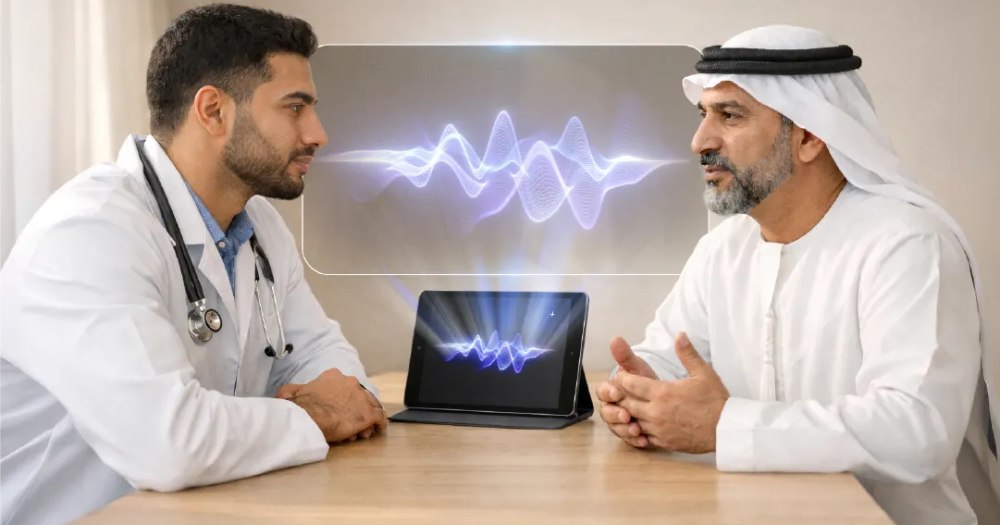
Healthcare just got a little more human. In late December 2025, PureHealth, the biggest healthcare group in the Middle East, unveiled the pilot phase of Nada, a fresh AI-powered assistant built to help doctors document patient visits in real time. It's a move that feels as much about giving doctors back their time as it does about using cutting-edge tech to clean up clinical records.
At its core, Nada listens during consultations. It captures what's said and turns it into structured clinical notes. That might sound like another gadget in the tech stack. But as PureHealth's CEO puts it, "This is not about technology replacing human interaction, but about enabling it."
How does it work?
Nada is no ordinary recorder. It's an ambient AI system trained to capture key points from medical conversations and instantly organise them into accurate notes. It's designed to work inside clinical consultations so doctors don't have to scribble or type while they're engaging with patients.
Here's what it does:
- Listens within the clinical setting and captures details in real time.
- Translates spoken exchanges, including complex medical terms and local dialects, into structured notes.
- Minimises manual documentation, freeing clinicians to maintain eye contact and focus on the patient.
Doctors using it during the pilot are already seeing their documentation time drop by more than half, freeing up about two extra hours per day for direct patient care. That's time you can count.
Why does it matter?
Let's be blunt. Clinical documentation is a chore. It eats into patient time and contributes to stress and burnout. Nada tackles it head-on. With more accurate notes and less keyboard time, doctors can actually listen. As PureHealth's CEO says, "Listening is the foundation of great healthcare."
For patients, Nada's impact is even clearer:
- Consultations feel more personal.
- There's less repetition.
- Communication comes through with clarity and confidence.
In short, it restores the human side of medicine by reducing the paperwork.
The context
Nada's pilot follows thorough testing at hospitals under the SEHA network, spanning primary care, specialty services, and complex tertiary environments.
It's part of a broader shift. Healthcare systems worldwide are scrambling to blend tech with care without losing compassion. AI in healthcare isn't new, but making it ambient, accurate, and privacy-focused in live clinical environments is a big deal.
The name Nada resonates. In Arabic, it suggests gentle presence and calm clarity — fitting for a tool whose stated goal is to make patients feel heard and doctors feel unburdened.
This announcement isn't just about a new tool in Abu Dhabi. It signals how healthcare systems might rethink clinic workflows in the age of AI — where the machine does the heavy lifting and the human remains at the heart of care.
Latest @
Abu Dhabi's Future Health initiative focuses on predictive medicine for 2026
Morocco launches 'AI Made in Morocco' to build local artificial intelligence sector
UAE doctors perform first pediatric heart biopsy after transplant
Microsoft launches Copilot Health to make sense of your medical data
Egypt launches nationwide digital pathology network to speed up cancer diagnosis
💡Did you know?
You can take your DHArab experience to the next level with our Premium Membership.👉 Click here to learn more
🛠️Featured tool
 Easy-Peasy
An all-in-one AI tool offering the ability to build no-code AI Bots, create articles & social media posts, convert text into natural speech in 40+ languages, create and edit images, generate videos, and more.
👉 Click here to learn more
