

UAE drug authority partners with global firms on green labs and cutting-edge testing
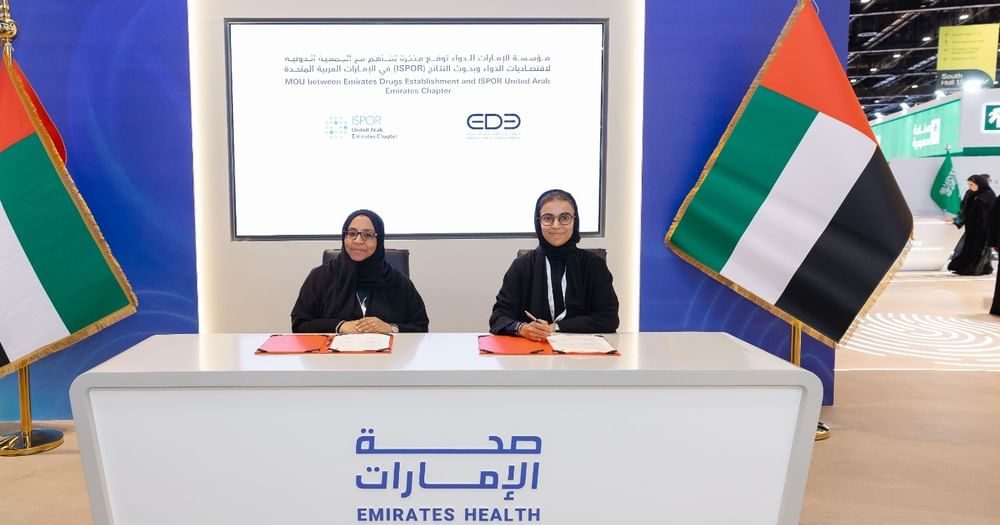
The UAE's drug regulator has signed two major partnerships at Dubai's World Health Expo. The deals focus on making pharmaceutical labs more environmentally friendly and improving how drugs get tested.
The Emirates Drug Establishment also showcased its "Organ on Chip" project. This technology could revolutionize drug testing by using tiny electronic chips instead of animal experiments.
How does it work?
The Organ on Chip technology uses micro-engineered electronic chips that mimic human organ functions. Scientists can test how drugs work and whether they're toxic using these highly accurate models.
The chips simulate real human physiology much better than traditional cell cultures or animal testing. This means researchers get more reliable results about how a drug will actually work in people.
Dr. Shaikha Al Mazrouei from the Emirates Drug Establishment says the technology "provides highly accurate human-based models for drug testing." It helps speed up research while making it more reliable.
Why does it matter?
This shift could dramatically reduce the UAE's reliance on animal testing for drug development. That's better for ethics and often produces more accurate results since the models are based on human biology.
The sustainability partnerships are equally important. One deal with Roche Diagnostics focuses on achieving "carbon neutrality and zero waste in pharmaceutical laboratories." The other with ISPOR will strengthen health economics research in the region.
These moves position the UAE as a leader in both pharmaceutical innovation and environmental responsibility. The country is building its reputation as a global hub for medical regulation.
The context
The announcements came during the World Health Expo 2026 at Expo City Dubai. The four-day event runs from February 9-12 and brings together global health leaders.
The UAE has been investing heavily in becoming a regional pharmaceutical hub. These partnerships fit into that broader strategy of attracting international expertise while developing local capabilities.
Dr. Fatima Al Kaabi, who heads the Emirates Drug Establishment, signed both deals. She emphasized that the agreements support "evidence-based decision-making" and help achieve the country's climate goals.
Latest @
Abu Dhabi launches first UAE clinical trial for gene therapy treating inherited blindness
Mental health platform reaches 600 users in one day across Middle East
Perplexity Health connects all your medical data in one place
Perplexity partners with b.well to give AI health answers using your real medical records
Fitbit's AI coach gets smarter with medical records and sleep tracking
💡Did you know?
You can take your DHArab experience to the next level with our Premium Membership.👉 Click here to learn more
🛠️Featured tool
 Easy-Peasy
An all-in-one AI tool offering the ability to build no-code AI Bots, create articles & social media posts, convert text into natural speech in 40+ languages, create and edit images, generate videos, and more.
👉 Click here to learn more
