

Robotics comes to the IVF lab as Abu Dhabi’s fertility sector eyes automation
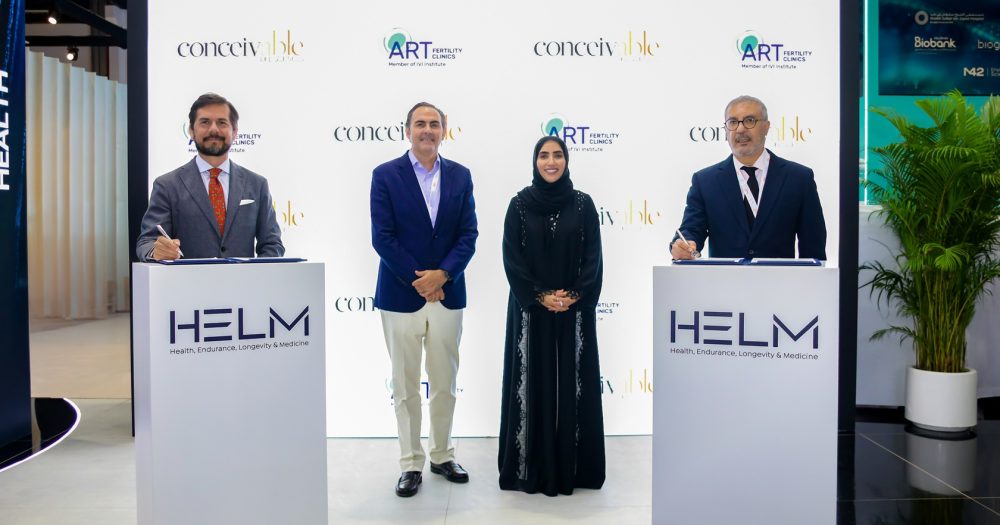
The most delicate room in a fertility clinic may soon be one of its most automated. The embryology lab, where eggs, sperm and embryos are handled by hand, is the next target for robotics, and the UAE is positioning itself to see it first.
The announcement brings together three names: ART Fertility Clinics, the New York-based medtech company Conceivable Life Sciences, and the Department of Health Abu Dhabi (DoH), the emirate's healthcare regulator. The material available to us describes each organisation but does not give figures, timelines or clinical results for any deployment. So this piece sticks to what is known about the players and the technology, and to what it could mean for the region.
How will it work?
Conceivable's platform is called AURA. It is designed to build automation into IVF laboratory workflows, using robotics and what the company calls physical artificial intelligence. The stated aim is to support embryologists in key processes, not replace them. Clinical decisions stay with the humans.
That distinction matters. IVF labs depend on skilled embryologists performing repetitive, precise tasks, often for long hours. Automation targets that repetition. The judgment calls, such as which embryo to transfer, remain with the clinical team.
ART Fertility Clinics is a natural setting for this kind of technology. It is part of the IVI Institute, a global reproductive medicine network with more than 500 medical professionals, embryologists and researchers. It operates in the UAE and Saudi Arabia, with centres in Dubai, Abu Dhabi, Al Ain and Dubai Healthcare City.
Why does it matter?
IVF outcomes depend heavily on lab conditions and on the consistency of the people working in them. Automation promises to reduce variation between technicians, between shifts and between clinics. If it works as designed, patients could see more standardised care, and clinics could treat more people without lowering quality.
The demand is there. Fertility treatment is a growing service across the Gulf, driven by later marriages, lifestyle-related infertility and wider acceptance of assisted reproduction. Skilled embryologists are scarce worldwide, and the GCC often recruits them from abroad. Technology that supports a small expert workforce has obvious appeal.
The context
Abu Dhabi has been explicit about its direction. DoH describes its strategy around three focus areas: Healthy Population, Best-in-Class Care, and Resilience and Innovation. It also talks about predicting, preventing and personalising healthcare. Robotic IVF fits that language well, and DoH's role as regulator means any rollout will sit inside a defined standards framework.
The same logic runs across the region. Saudi Vision 2030 pushes private-sector healthcare and digital adoption. The UAE has made health technology a pillar of its national agenda. Reproductive medicine, which is highly technical and increasingly data-driven, is a sensible place to test automation.
Still, caution is warranted. Regulators, clinicians and patients will want to see published outcomes: fertilisation rates, embryo quality, live births. Until those numbers appear, AURA is a promising design, not a proven standard. But the signal is clear. The region's health authorities and private providers are willing to put robotics inside the lab, and the results will be watched well beyond Abu Dhabi.
Latest @
Neuratia Labs picks CliniDataCue to solve the data problem facing its first research fellows
Robotics comes to the IVF lab as Abu Dhabi's fertility sector eyes automation
American Hospital Dubai to help build an AI billing platform, not just buy one
Mubadala and Khalifa University bet on lab-stage science with new life sciences programme
Abu Dhabi's biobank teams up with AstraZeneca to predict disease before it starts
💡Did you know?
You can take your DHArab experience to the next level with our Premium Membership.👉 Click here to learn more
🛠️Featured tool
 Easy-Peasy
An all-in-one AI tool offering the ability to build no-code AI Bots, create articles & social media posts, convert text into natural speech in 40+ languages, create and edit images, generate videos, and more.
👉 Click here to learn more
