

Robot doctors are now writing prescriptions in Utah
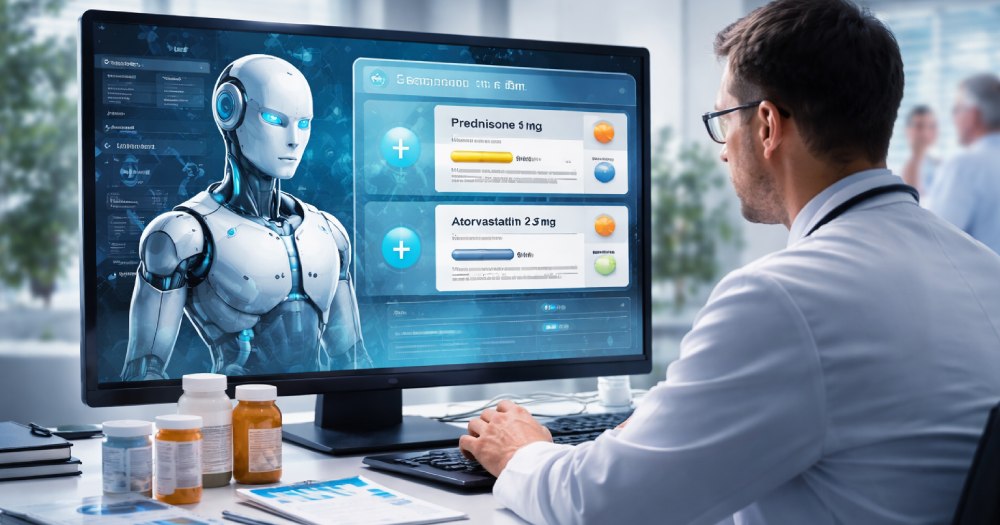
In a move that feels straight out of a sci-fi novel, Utah just flipped a switch on how Americans get medication. For the first time in U.S. history, an artificial intelligence system is legally renewing prescriptions without a human doctor signing off. This pilot effort with health-tech startup Doctronic isn't science fiction. It's real, live medicine. And it's got experts talking.
How does it work?
At its heart, this is about replacing paperwork with code. Here's the rundown:
- Patients verify they're physically in Utah and share basic identity info online.
- The AI reviews their prescription history and asks clinical questions.
- If everything checks out, it sends the refill straight to the pharmacy.
- It can only renew routine meds for chronic conditions and not controlled substances like painkillers or ADHD treatments.
The system is part of Utah's regulatory "sandbox" for testing new technology. That means some rules are relaxed while the state watches, learns, and adjusts.
One striking stat from early data: the AI's refill decisions match those of human doctors more than 99 percent of the time.
Why does it matter?
This isn't just another app update. It cuts to the core of how we think about healthcare and trust. Medicine has always been human. Now a machine is making real clinical decisions about medications. That's a big deal.
Supporters say it could:
- reduce delays in getting meds, especially in rural areas with too few doctors,
- cut costs for patients and the system,
- free clinicians from routine tasks so they can focus on complex care.
Critics aren't subtle. The American Medical Association's CEO said that "while AI has limitless opportunity to transform medicine for the better, without physician input it also poses serious risks." That's the kind of blunt caution you don't hear every day.
The context
Utah's experiment hasn't happened in a vacuum. Regulators around the U.S. are wrestling with how to handle AI in high-stakes settings like healthcare. State lawmakers created Utah's Office of Artificial Intelligence Policy just to manage these kinds of tests.
This pilot sits at a crossroads of innovation and regulation. The federal government, including the Food and Drug Administration, has not taken a lead role yet. That leaves states like Utah to write the early playbook.
Healthcare is stuck between two powerful forces. On one side are aging systems groaning under the weight of paperwork and rising costs. On the other hand, there are engineers pushing boundaries on what machines can safely do. Where you land probably depends on whether you think bots can be good doctors. So far, Utah is betting that it can take over the easy stuff while humans handle the hard parts.
Latest @
Abu Dhabi launches first UAE clinical trial for gene therapy treating inherited blindness
Mental health platform reaches 600 users in one day across Middle East
Perplexity Health connects all your medical data in one place
Perplexity partners with b.well to give AI health answers using your real medical records
Fitbit's AI coach gets smarter with medical records and sleep tracking
💡Did you know?
You can take your DHArab experience to the next level with our Premium Membership.👉 Click here to learn more
🛠️Featured tool
 Easy-Peasy
An all-in-one AI tool offering the ability to build no-code AI Bots, create articles & social media posts, convert text into natural speech in 40+ languages, create and edit images, generate videos, and more.
👉 Click here to learn more
