

Novel finger-prick blood test could aid Alzheimer’s diagnosis
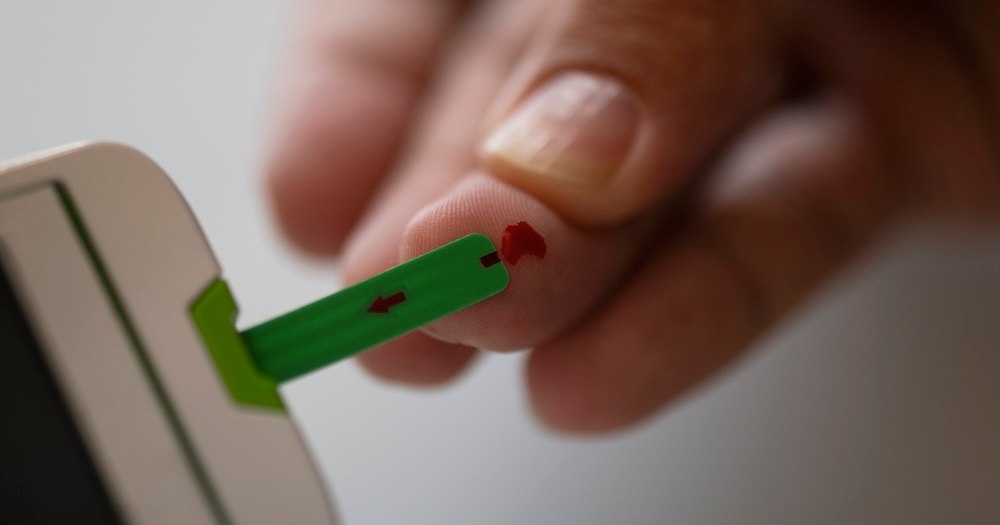
For decades, Alzheimer's diagnosis has been tied to brain scans, spinal fluid taps and long waits. It's slow. It's often invasive. And for many people, it simply isn't accessible. But now a cluster of international studies is putting a bold idea to the test: can a tiny drop of blood from a finger prick do the job just as well?
A global effort involving researchers across the UK, the United States, and Canada is gathering data from 1,000 volunteers to find out if this low-cost approach can spot hallmark proteins linked to Alzheimer's disease.
How does it work?
At its core, this is a study of biomarkers — measurable signs of disease in the body:
- Researchers collect a small sample with a finger prick.
- That drop is dried on a special card or plasma separation device.
- Lab tests for proteins such as p-tau217, GFAP, and NfL. These show up long before symptoms develop in the brain.
- Results are compared against current gold standards like PET scans and cerebrospinal fluid analysis.
The aim isn't to reinvent the wheel but to make the measurement cheaper, easier and more widespread. Some versions of the test could be done at home, mailed to labs without refrigeration, and require no clinical visit at all.
Why does it matter?
This isn't just a neat lab trick. Alzheimer's diagnosis today is a maze of specialist equipment, waiting lists and invasive procedures. These barriers delay treatment and shut out swathes of people who might benefit from earlier intervention. With this new approach:
- Testing could become affordable and routine.
- Earlier detection becomes possible, potentially years before memory loss appears.
- Health systems might catch disease sooner, opening doors to earlier support and therapy.
Professor Anne Corbett, a dementia expert, put it plainly: "What excites me most is that this work makes this type of research far more accessible."
The context
This push comes at a pivotal time in Alzheimer's science.
- Blood biomarkers have already proven accurate in controlled research settings using more traditional blood draws.
- Standard blood tests cleared by regulators — like the FDA's Lumipulse system — have shown blood-based diagnosis can work without invasive brain taps.
- Still, the finger-prick approach is not yet ready for routine clinical use. Experts caution that trials must finish and accuracy confirmed before it becomes part of care.
Dr Giovanna Lalli of LifeArc, which leads one major study, explains that researchers are watching three key proteins linked to Alzheimer's to see if simple blood levels match up with heavy-duty scans. Early data suggests promise, but it's not a done deal yet.
Meanwhile, major research bodies and charities are pushing this work forward because the old ways of diagnosing dementia are simply not keeping pace with the world's aging population.
Latest @
Abu Dhabi launches first UAE clinical trial for gene therapy treating inherited blindness
Mental health platform reaches 600 users in one day across Middle East
Perplexity Health connects all your medical data in one place
Perplexity partners with b.well to give AI health answers using your real medical records
Fitbit's AI coach gets smarter with medical records and sleep tracking
💡Did you know?
You can take your DHArab experience to the next level with our Premium Membership.👉 Click here to learn more
🛠️Featured tool
 Easy-Peasy
An all-in-one AI tool offering the ability to build no-code AI Bots, create articles & social media posts, convert text into natural speech in 40+ languages, create and edit images, generate videos, and more.
👉 Click here to learn more
