

Mediclinic and Commure bet that AI can give doctors their eye contact back
Ask any doctor what they dislike most about modern practice and many will not say long shifts or difficult patients. They will say paperwork. Hours spent typing notes, often after the clinic has closed, are a quiet drain on the profession. Mediclinic Middle East and Commure now want to shrink that burden with ambient AI.
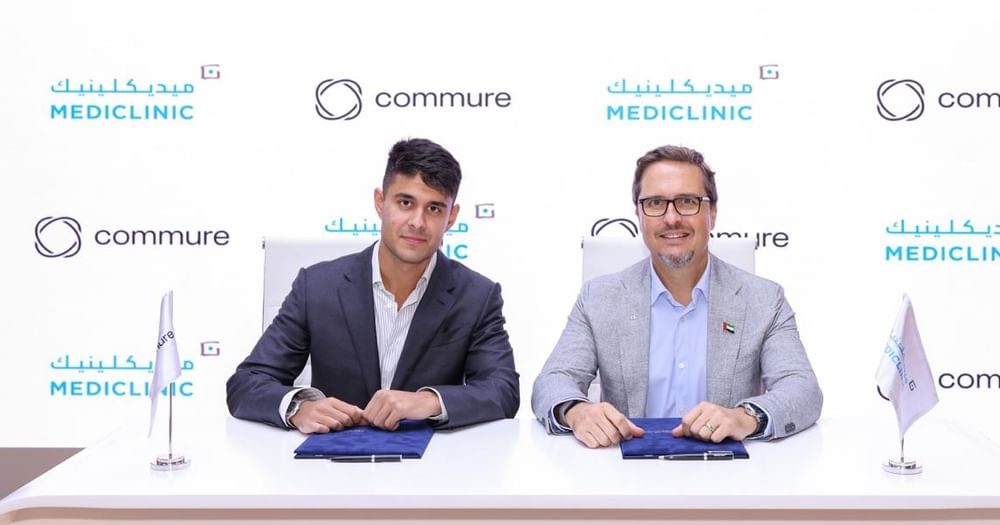
The two organisations marked their collaboration at the Abu Dhabi Future Health Summit 2026. Their shared aim is simple to state: use technology to support clinicians and make care more patient-centred. The source article was cut short, so full commercial and rollout details are not yet public. But the direction is clear.
How will it work?
Ambient AI listens to the conversation between a clinician and a patient, with consent, and turns it into a structured clinical note. The doctor does not dictate or type during the visit. They talk, examine and listen. The software drafts the record, and the clinician reviews and signs it off.
That last step matters. The clinician stays responsible for what goes into the patient file. The technology prepares the first draft, nothing more.
Commure builds AI tools aimed at reducing administrative work in healthcare, and Mediclinic brings a large network of hospitals and clinics in the region where those tools can be tested in real practice. Specifics on which sites and specialties will go first have not been confirmed.
Why does it matter?
Burnout is a workforce problem, and the GCC cannot ignore it. The region relies heavily on recruiting international clinicians, and keeping them is as important as hiring them. If a tool returns even an hour a day to patient care, the gain is practical and measurable.
Patients benefit too. A doctor who is looking at them rather than at a screen picks up more, and patients tend to feel heard. That is the "patient-centred" promise in plain terms.
But there are fair questions. How accurate is the AI with Arabic, English and the mix of accents and dialects found in Gulf clinics? How is voice data stored and protected? Hospital leaders and regulators will want clear answers before scaling up.
The context
Abu Dhabi has spent years positioning itself as a hub for health innovation, and the Future Health Summit is one of the places where that ambition becomes visible. The emirate's health authorities have pushed digital records, data-driven care and partnerships between private operators and technology firms.
The pattern is regional. Saudi Arabia's Vision 2030 health programmes also stress digital transformation and better use of clinical time, and other GCC states are investing in AI strategies of their own. Ambient documentation is one of the most practical, least controversial places to begin, because it targets a problem clinicians already complain about.
Still, announcements are cheap and results are not. The real test will be whether clinicians in Mediclinic facilities actually finish their notes sooner, and whether patients notice the difference. If they do, expect other operators in the Gulf to follow quickly.
Latest @
Neuratia Labs picks CliniDataCue to solve the data problem facing its first research fellows
Robotics comes to the IVF lab as Abu Dhabi's fertility sector eyes automation
American Hospital Dubai to help build an AI billing platform, not just buy one
Mubadala and Khalifa University bet on lab-stage science with new life sciences programme
Abu Dhabi's biobank teams up with AstraZeneca to predict disease before it starts
💡Did you know?
You can take your DHArab experience to the next level with our Premium Membership.👉 Click here to learn more
🛠️Featured tool
 Easy-Peasy
An all-in-one AI tool offering the ability to build no-code AI Bots, create articles & social media posts, convert text into natural speech in 40+ languages, create and edit images, generate videos, and more.
👉 Click here to learn more
