

KFSHRC, Servier Saudi Arabia partner on rare diseases
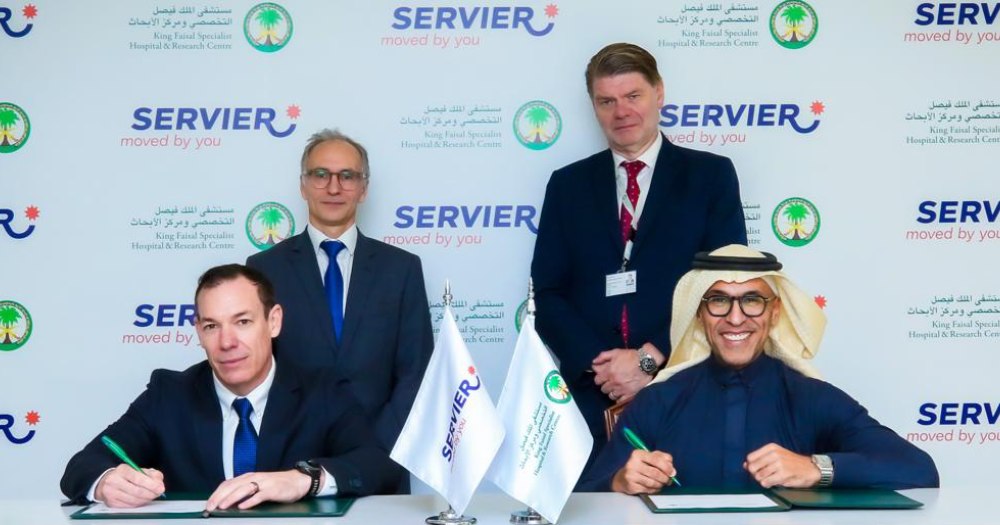
In a world where rare diseases often fly under the radar, a bold alliance in the heart of Riyadh just changed the script. King Faisal Specialist Hospital & Research Centre, widely regarded as one of the region's most elite medical institutions, inked a memorandum of understanding with Servier Saudi Arabia to work together on rare disease challenges that have long lacked focused resources and innovation. The agreement puts a fresh spotlight on research, clinical practice, digital health and training in specialties like glioma, a rare cancer with grim outcomes in younger adults.
This is not just another press release. It is a statement of intent from two heavyweights willing to roll up their sleeves, share insights and build tools that could matter for patients and doctors alike.
How will it work?
The MoU lays out a broad canvas for collaboration without locking the partners into rigid commitments. Here's how they plan to approach it:
- Joint research projects aimed at better understanding rare diseases, especially in oncology fields like glioma.
- Sharing clinical insights drawn from practice to spot patterns and unmet needs.
- Exploring digital health innovations that could transform the way clinicians diagnose, manage and track rare conditions.
- Bringing professionals together through scientific exchange, seminars, workshops and training focused on precision medicine and genomic testing.
Put simply, the idea is to create a bridge between discovery and practice, testing fresh ideas and spreading them among doctors and researchers across the Kingdom.
Why does it matter?
Rare diseases often live in the shadows. They affect millions around the globe but get a tiny slice of research funding and public attention. This partnership changes that calculus in a few key ways:
- It brings rare disease research out of siloed labs and into a real clinical setting where doctors see patients every day.
- It opens the door for digital tools that can help clinicians make better decisions and patients get smarter care.
- It pushes education and training into the spotlight, meaning tomorrow's healthcare workforce will be more ready to tackle precision medicine head-on.
As one industry voice put it on social media, this is "a strong step forward in rare diseases research and digital health innovation."
The context
This pact does not happen in a vacuum. Saudi Arabia's Vision 2030 has healthcare transformation built into its DNA, pushing the nation toward bolstering research capacity and local expertise. KFSHRC itself is no stranger to global recognition. It ranks first in the Middle East and Africa and fifteenth globally among the top 250 academic medical centers for 2025. It has also been named among the world's best in specialized and smart hospital categories by Newsweek.
On the pharmaceutical side, Servier - a long-standing international company - has signaled its growing interest in rare cancers and precision approaches, dedicating a large chunk of its R&D to oncology.
Together, this partnership signals a shift toward collaboration over isolation, and ambition over complacency. It holds promise for patients with conditions that have been overlooked for too long. And in doing so, it helps reposition Saudi Arabia not just as a consumer of medical advances but as a contributor to the global fight against rare diseases.
Latest @
Abu Dhabi launches first UAE clinical trial for gene therapy treating inherited blindness
Mental health platform reaches 600 users in one day across Middle East
Perplexity Health connects all your medical data in one place
Perplexity partners with b.well to give AI health answers using your real medical records
Fitbit's AI coach gets smarter with medical records and sleep tracking
💡Did you know?
You can take your DHArab experience to the next level with our Premium Membership.👉 Click here to learn more
🛠️Featured tool
 Easy-Peasy
An all-in-one AI tool offering the ability to build no-code AI Bots, create articles & social media posts, convert text into natural speech in 40+ languages, create and edit images, generate videos, and more.
👉 Click here to learn more
