

Indian AI model reads brain waves to spot mental health disorders
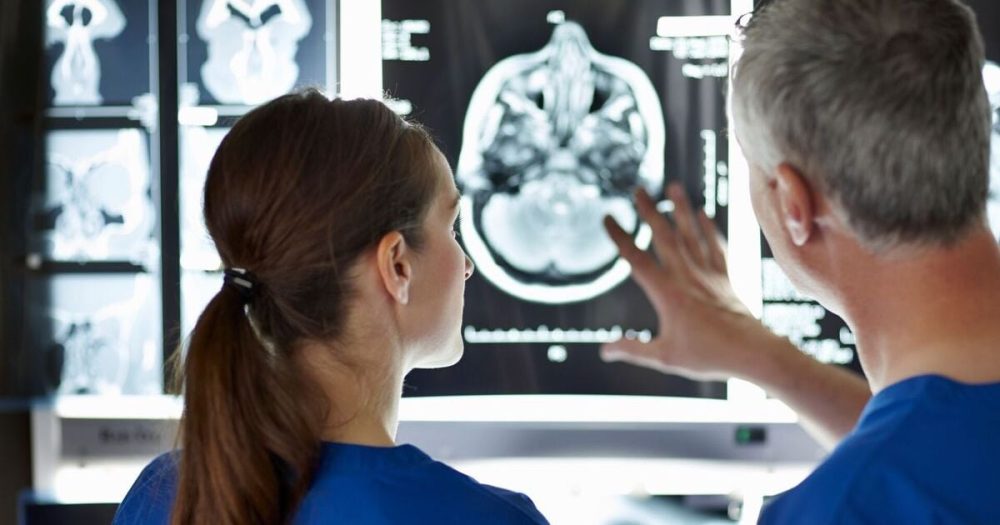
Indian researchers have built an AI system that reads brain waves to identify neurological and psychiatric disorders. The model, called MANAS-1, analyzes electrical signals from the brain using standard EEG equipment.
Dr Puneet Agarwal, the neurologist who created the technology through his company NeuroDX, says the system treats brain waves like a structured language that AI can learn to interpret. The model was trained on 60,000 hours of brain wave data from over 25,000 patients worldwide.
How does it work?
MANAS-1 uses electroencephalogram (EEG) technology to capture electrical activity in the brain. The AI model analyzes these brain wave patterns to identify signatures of different neurological and psychiatric conditions.
The system currently operates with 400 million parameters - the variables it uses to make decisions based on training data. NeuroDX plans to expand this to 2 billion parameters for improved accuracy. A second version, MANAS-2, is expected within weeks.
According to Dr Agarwal, who also works as a neurology professor at Max Super Speciality Hospital in New Delhi, the model can interpret how different brain regions connect and communicate with each other.
Why does it matter?
The technology promises faster, cheaper diagnosis of brain disorders. Traditional neurological testing often requires expensive equipment and specialist interpretation. MANAS-1 could work with standard EEG machines found in most hospitals.
Dr Agarwal reports the model achieves 95% accuracy in identifying computational markers for epilepsy and mental health disorders. If validated independently, this could make brain health screening accessible in areas with limited specialist doctors.
The system has potential applications beyond diagnosis, including cognitive assessment and brain-computer interfaces that could help paralyzed patients control devices with their thoughts.
The context
MANAS-1 joins a growing field of AI tools designed to analyze brain activity. Researchers in Singapore developed Brain-JEPA last year, which also identifies brain regions and their functions to help diagnose disorders and predict disease progression.
South Korean scientists created an AI model that can predict dementia risk from voice recordings of elderly patients' conversations. The government-backed Electronics and Telecommunications Research Institute developed this tool as part of broader healthcare AI initiatives.
Google has been actively supporting India's healthcare AI development. The tech giant partnered with the All India Institute of Medical Sciences and Indian Institute of Science to create AI tools for skin condition diagnosis and hospital patient sorting. Google also released MedGemma 1.5, an open-source medical AI model, in India earlier this year.
Latest @
Dubai creates $100M fund to become global health tech hub
Qatar Red Crescent launches HAKEEM digital health platform
💡Did you know?
You can take your DHArab experience to the next level with our Premium Membership.👉 Click here to learn more
🛠️Featured tool
 Easy-Peasy
An all-in-one AI tool offering the ability to build no-code AI Bots, create articles & social media posts, convert text into natural speech in 40+ languages, create and edit images, generate videos, and more.
👉 Click here to learn more
