

Fitbit’s AI coach gets smarter with medical records and sleep tracking
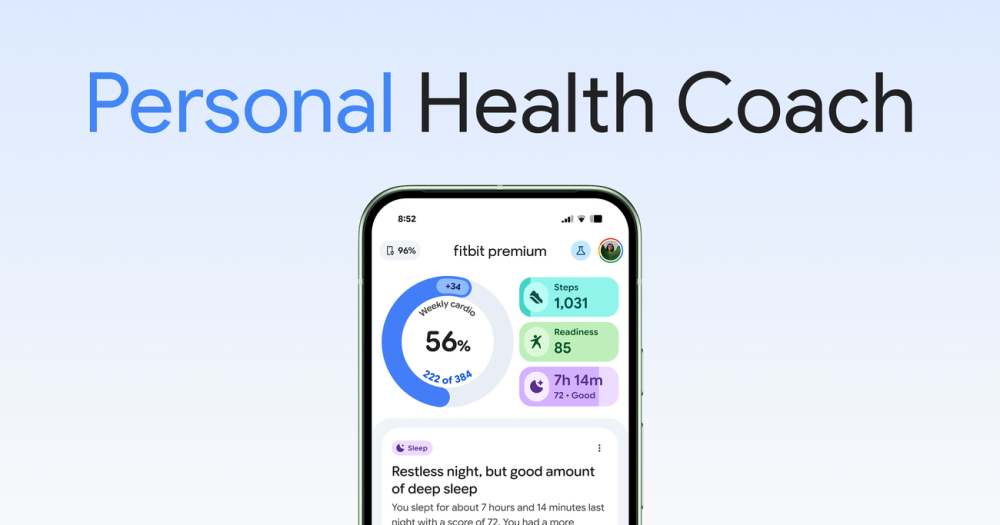
Fitbit is adding medical records, sleep science improvements, and metabolic research to its AI health coach. The updates aim to give users more personalized advice by connecting their wearable data with their actual medical history.
The company announced these changes at The Check Up, its annual health event. Users will soon be able to link their medical records directly to the Fitbit app, letting the AI coach provide more relevant and safer health guidance.
How does it work?
The updated system works across three main areas. First, Fitbit is improving sleep tracking accuracy by 15% for users in the Public Preview program. The new models better distinguish between when you're trying to sleep versus actually sleeping, and they capture interruptions and naps more accurately.
The sleep improvements include:
- Better detection of sleep stage transitions
- More accurate tracking of interruptions and naps
- A redesigned Sleep Score that shows specific aspects of your rest
- Targeted coaching based on how long it takes you to fall asleep
Second, users can now connect medical records through partnerships with b. well and CLEAR. You can search for your healthcare provider and link to their portal, or verify your identity with CLEAR and let the system find your records automatically. The verification process requires only a selfie and valid ID.
Third, the AI coach uses this medical data to give more specific advice. Instead of generic answers about cholesterol, it can review your actual lab results and provide personalized recommendations based on your medical history and wearable data.
Why does it matter?
The medical records integration makes Fitbit's advice much more useful. When the AI coach knows your actual health status, medications, and lab results, it can give safer and more relevant guidance. This is a big step beyond basic fitness tracking.
The sleep improvements matter because sleep tracking is one of the most popular features on fitness wearables. More accurate data means better insights about your recovery and health patterns.
Fitbit is also expanding into metabolic health. Starting next month, Public Preview users can connect continuous glucose monitors through Health Connect. You'll be able to ask the coach how specific workouts or foods affect your glucose levels.
The context
This update builds on Fitbit's AI coach that launched last year using Google's Gemini technology. The goal was to move beyond basic step counting and provide truly personalized health guidance.
The timing connects to broader health tech trends. Wearable companies are racing to make their devices more medically relevant. Apple has been adding health features to the Apple Watch, and startups are building specialized health wearables.
Fitbit's approach is notable because it's integrating existing medical data rather than trying to replace doctors. The company published research in Nature this week about predicting insulin resistance using wearable data, showing its scientific approach to health insights.
Privacy remains important for medical data integration. Fitbit says medical records are stored securely and users control how the data is used, shared, or deleted. The medical records aren't used for ads, following the same policy as other Fitbit health data.
The sleep tracking updates roll out over the next few days, with the new Sleep Score coming in the following weeks. Medical records integration starts next month for Public Preview users in the US.
Latest @
Fitbit's AI coach gets smarter with medical records and sleep tracking
Qatar hospital launches free 24/7 mental health support for entire community
Scientists 3D print flexible ear cartilage that matches human tissue
Roche builds massive AI factory with 3,500 NVIDIA GPUs to speed up drug development
💡Did you know?
You can take your DHArab experience to the next level with our Premium Membership.👉 Click here to learn more
🛠️Featured tool
 Easy-Peasy
An all-in-one AI tool offering the ability to build no-code AI Bots, create articles & social media posts, convert text into natural speech in 40+ languages, create and edit images, generate videos, and more.
👉 Click here to learn more
