

Cleveland Clinic Abu Dhabi performs the first robotic-assisted DIEP flap breast reconstruction in the UAE
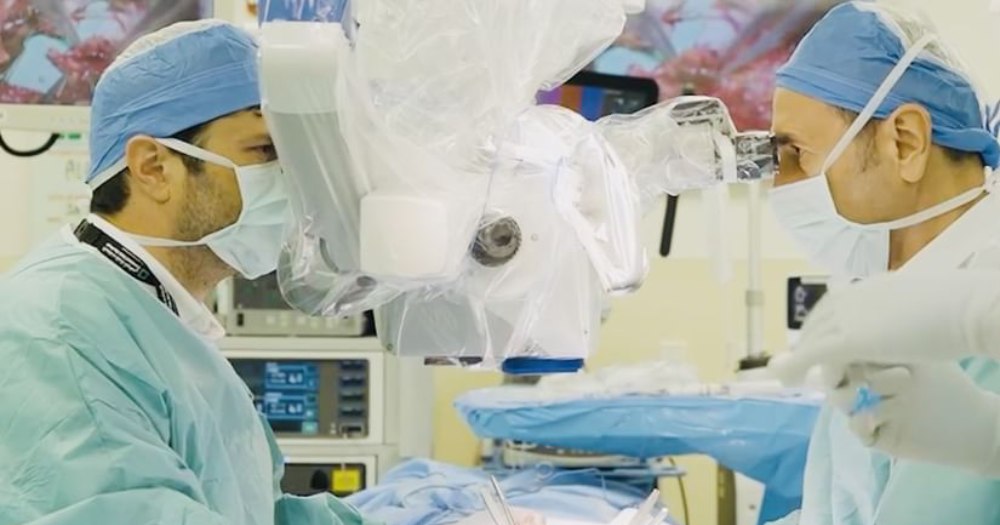
In a medical world where progress often moves at a snail's pace, some moments still jar you awake. One of those moments came from Cleveland Clinic Abu Dhabi, where surgeons have pulled off the United Arab Emirates' first robot-assisted beating heart coronary artery bypass. This is not your run-of-the-mill milestone. It signals a major shift in how we think about cardiac surgery in the Gulf and beyond — a blend of high precision robotics and human expertise that keeps the heart beating even during surgery.
This isn't just another headline. It's a neon sign pointing to the edge of what's possible in heart care.
How does it work?
Robot-assisted beating heart bypass surgery is a serious feat of engineering and skill.
- Rather than opening the chest wide and stopping the heart entirely, surgeons use robotic systems to operate through tiny incisions around the ribs. These tools are controlled by a surgeon at a console, giving enhanced precision and range of motion.
- The heart keeps beating during the procedure. That's important because it reduces the need for a heart-lung machine and helps avoid complications linked with stopping the heart entirely.
- A grafted vessel reroutes blood around blocked coronary arteries. By doing this on a beating heart with robotic help, surgeons can potentially lower trauma, cut down bleeding and shorten recovery.
Think of it like a tightrope walk: A surgeon manipulates instruments with robotic precision while the most vital muscle in your body keeps ticking.
Why does it matter?
Simple answer: Less pain, faster recovery, fewer risks. In a region with rising heart disease, this breakthrough means:
- Faster recovery times compared with traditional open-chest surgery.
- Smaller incisions, less trauma, less pain.
- Lower risk of infections and complications.
- Patients return to their lives sooner — sometimes in weeks instead of months.
This sort of transformation isn't just about optics. Studies on robotically assisted bypasses from around the world show long-term outcomes that square with traditional approaches. Survival rates five years out often exceed 90 percent, and grafts stay open at high rates. That tells you this is not a gadget for show; it's a credible surgical tool.
The context
Abu Dhabi has been pushing hard to build a global reputation in advanced healthcare. Cleveland Clinic Abu Dhabi is part of that movement — bringing procedures once only available overseas right into the UAE care ecosystem.
The hospital has already been breaking new ground in cardiovascular care, from its first robotic multi-vessel bypass and robot-assisted mitral valve repair to cutting-edge remote monitoring and intracardiac imaging systems.
Globally, robot-assisted cardiac surgery has been evolving for decades. Cleveland Clinic surgeons in the United States now use robotic-assisted bypass techniques in selected patients, often avoiding large chest openings and making recovery easier.
And while robot-assisted heart surgery still isn't standard everywhere, the technology is gaining traction because it bridges the best of both worlds: the durability of conventional coronary bypass with the gentler touch of minimally invasive surgery.
This UAE first isn't a one-off headline. It's part of a broader narrative where innovation, patient-centric care, and bold thinking collide.
Latest @
Abu Dhabi launches first UAE clinical trial for gene therapy treating inherited blindness
Mental health platform reaches 600 users in one day across Middle East
Perplexity Health connects all your medical data in one place
Perplexity partners with b.well to give AI health answers using your real medical records
Fitbit's AI coach gets smarter with medical records and sleep tracking
💡Did you know?
You can take your DHArab experience to the next level with our Premium Membership.👉 Click here to learn more
🛠️Featured tool
 Easy-Peasy
An all-in-one AI tool offering the ability to build no-code AI Bots, create articles & social media posts, convert text into natural speech in 40+ languages, create and edit images, generate videos, and more.
👉 Click here to learn more
