

Amazon launches AI tool for One Medical members
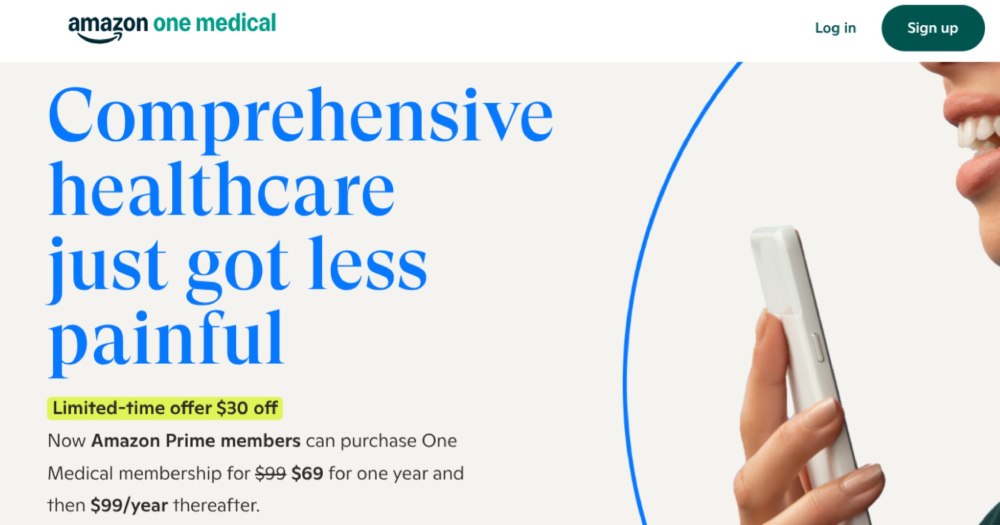
Amazon just dropped a new piece of tech into a field that's been buzzing for years: health care. The company rolled out an AI assistant called Health AI inside the One Medical app for members of its primary care service. This isn't a generic chatbot spitting out wellness tips from a Google search. It's designed to know you, your history and your context because it has access to your actual medical records, lab results and meds. That makes it both powerful and controversial in a world where tech and health are bumping up against each other fast.
How does it work?
At its core, Health AI is built on large language models from Amazon's Bedrock platform. But it's more than just a clever engine behind the scenes. It's been engineered to:
- Tap into your One Medical records without needing to upload anything manually.
- Break down and explain lab results in clear language.
- Answer questions about symptoms, conditions and wellness.
- Help you book appointments and manage medications, straight from the app.
The assistant isn't a replacement for your doctor. Rather, it's more like a smart front door to care. When it detects something that needs a clinician's eyes, it nudges you to message your provider, start a video call or schedule an in-person visit. That's built into its safety protocols.
Why does it matter?
We've all felt healthcare's biggest gripe: fragmentation. One doctor sees one slice of your history. Another sees another. It's like everyone's reading different chapters of the same book. As Neil Lindsay, senior vice president of Amazon Health Services, put it, "The U.S. healthcare experience is fragmented, with each provider seeing only parts of your health puzzle." His point? Health AI tries to glue those pieces together so you get a more complete picture.
That matters because people already lean on AI for health information in huge numbers. OpenAI once said that tens of millions of people ask ChatGPT health questions every day. Having a tool that actually knows your story, not just general info, pushes that trend into something a bit more actionable.
Plus, if the assistant can book your appointment and manage a refill while you're thinking about lunch, that's a convenience that actually changes behavior. It's not just talk.
The context
Amazon's been inching toward this moment for years. It bought One Medical in 2023 for about $3.9 billion, bringing a network of clinics and virtual care under its wing. That gives it an actual healthcare infrastructure, not just code and servers.
The move also comes as other AI players make runs at healthcare. OpenAI rolled out its ChatGPT Health product. Anthropic unveiled its own healthcare tools. All of them claim they can give insights from medical records. But where Amazon may have an edge is in integration. You already get care through One Medical. You already trust that provider with your data. Now the AI sits inside that ecosystem without extra uploads or bridges to build.
That said, this approach raises big questions about privacy, trust and where tech giants fit in someone's health journey. Conversations with the assistant aren't saved to your official health record, and Amazon promises it won't use protected data to hawk unrelated products. But there's still unease as these systems get closer to our most intimate information.
What's clear is that Amazon's not dipping a toe here. It's making a full-on push into healthcare with AI as a lever. And in an industry crying out for better data flow and easier access, this could be a signpost for what's coming next.
Latest @
Abu Dhabi launches first UAE clinical trial for gene therapy treating inherited blindness
Mental health platform reaches 600 users in one day across Middle East
Perplexity Health connects all your medical data in one place
Perplexity partners with b.well to give AI health answers using your real medical records
Fitbit's AI coach gets smarter with medical records and sleep tracking
💡Did you know?
You can take your DHArab experience to the next level with our Premium Membership.👉 Click here to learn more
🛠️Featured tool
 Easy-Peasy
An all-in-one AI tool offering the ability to build no-code AI Bots, create articles & social media posts, convert text into natural speech in 40+ languages, create and edit images, generate videos, and more.
👉 Click here to learn more
