

China approves world’s first commercial brain implant
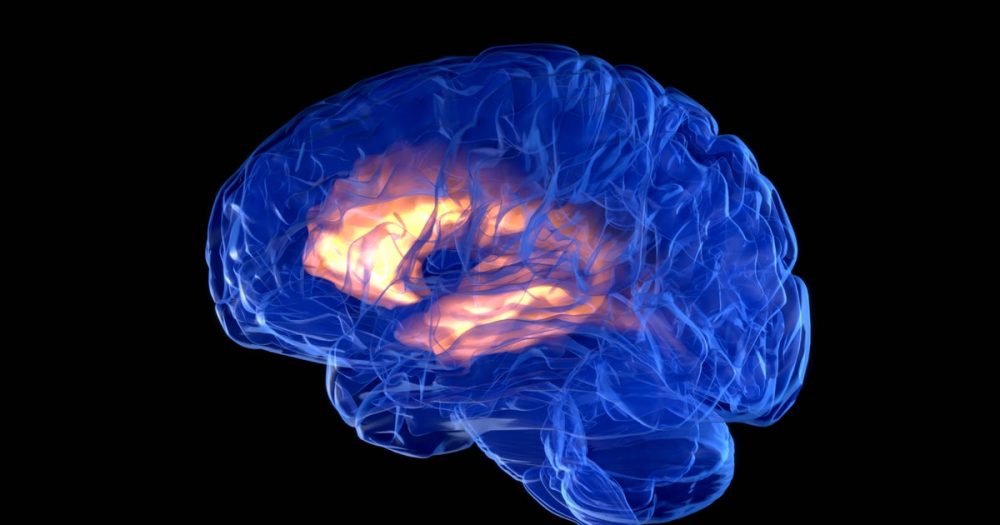
China has approved the world's first brain implant for commercial use. The device helps people with spinal cord injuries control external devices through their thoughts.
The brain-computer interface comes from Shanghai-based Neuracle Medical Technology. While brain implants have been tested in clinical trials for decades, this is the first time any country has approved one for widespread patient use.
How does it work?
The device is about the size of a coin and sits on the surface of the brain's outer membrane. It records electrical signals from neurons and sends them wirelessly to a computer.
Software decodes these brain signals and translates them into commands. In Neuracle's case, the implant controls a robotic glove that helps patients move their hands.
The approval only covers people with partial spinal cord injuries who still have some upper arm function. Patients need brain surgery to install the device.
Why does it matter?
This approval puts China ahead of the US in the race to commercialize brain-computer interfaces. American companies like Neuralink, Synchron, and Paradromics are still running clinical trials.
The technology could help millions of people with paralysis regain some independence. Previous research has shown that brain implants can help people:
- Control computer cursors and type on virtual keyboards
- Move prosthetic limbs
- Operate robotic devices
But the technology still carries risks. Brain surgery can cause infections and complications. The implants can also move over time or cause scar tissue that weakens their signals.
The context
Brain-computer interfaces have been in development since the early 2000s. The BrainGate research consortium created one of the first successful devices, which helped paralyzed patients control computers.
Elon Musk's Neuralink has gotten the most attention in the US. The company received FDA approval for human trials in 2023 after an initial rejection in 2022. As of January 2025, Neuralink has 21 people enrolled in its trial.
The first Neuralink patient, 30-year-old Noland Arbaugh, was paralyzed below the neck and successfully used the implant to control a computer. But no brain-computer interface has received commercial approval in the United States yet.
Neuracle's approval could pressure US regulators to speed up their own approval processes. It also shows how China is becoming more competitive in advanced medical technology.
Latest @
Blueprint lands in the UAE as longevity moves from policy to product
M42 launches 10,000-patient wearable pilot in Abu Dhabi to reshape chronic disease care
Unilabs Middle East and Takalam link diagnostics to mental health in one app
Al Ghurair enters healthcare with Trellis Health launch in Dubai
💡Did you know?
You can take your DHArab experience to the next level with our Premium Membership.👉 Click here to learn more
🛠️Featured tool
 Easy-Peasy
An all-in-one AI tool offering the ability to build no-code AI Bots, create articles & social media posts, convert text into natural speech in 40+ languages, create and edit images, generate videos, and more.
👉 Click here to learn more
