

QNDIS launches to transform healthcare data exchange across Qatar
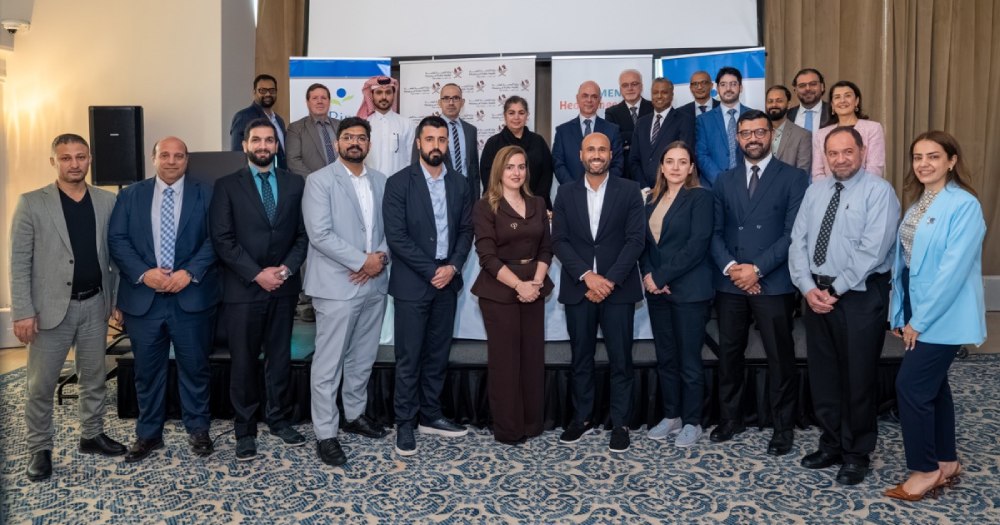
Doha is fast becoming a laboratory of digital health innovation. On February 8th, Qatar officially awarded the Qatar National Digital Image Sharing (QNDIS) project to a partnership led by Ali Bin Ali Medical (ABAM), alongside global tech partner Siemens Healthineers and the Ministry of Public Health (MoPH) in a ceremony that underscored a new era in national healthcare.
The QNDIS initiative isn't another run-of-the-mill IT rollout. It promises to bind disparate data streams into a single, agile platform that helps clinicians, researchers, and health administrators see the full picture — literally and figuratively — of patient care.
How does it work?
At its core, QNDIS is a national platform designed for sharing medical imaging data across healthcare providers and systems in Qatar. Think of it as a neural network for healthcare images:
- It ingests diagnostic images such as X-rays, MRIs and CT scans from hospitals and clinics.
- It processes and stores them securely at scale.
- It enables health professionals to access and share images instantly across facilities, in real time.
This is not just storage. It's an integrated platform that supports real-time analysis, better decision-making and stronger operational efficiency. In stark contrast with siloed legacy systems, QNDIS is meant to be the backbone of a unified health ecosystem where data flows freely, yet securely, wherever it's needed most.
Dr Juliet Ibrahim B Ibrahim, Director of Digital Health at MoPH, captured the tone of the project when she said, "We are very excited to kick off the QNDIS project ... We are looking for the best, not only for today but also for the future."
Why does it matter?
Healthcare data is only as powerful as the hands that can access it. In a world where every second counts — especially in emergencies — having imaging data trapped in one hospital is like owning a book no one else can read. This platform changes that:
- Faster decision-making for physicians across institutions.
- Improved patient experience through reduced wait times and fewer redundant scans.
- Real-time health data analysis to support public health planning and response.
Fadi Lebbos, General Manager of ABAM, described the rollout as "a significant step in Qatar's digital healthcare evolution," underscoring how such interoperability reflects a deep commitment to strengthening the national healthcare ecosystem from both public and private sides.
The context
Qatar's healthcare transformation journey is part of a broader national push toward digital governance. The QNDIS project aligns with Qatar's Healthcare 2030 Strategy and the National E-Health and Data Management Strategy, both of which emphasize connected care, data integrity and cross-sector collaboration.
This launch comes at a time when the nation is doubling down on innovation across sectors. According to a recent editorial on Qatar's broader tech trajectory, events like Web Summit Qatar and expanded investment funds indicate the state's unwavering belief in technology as a catalyst for future growth.
While healthcare systems around the world struggle with fragmented records and isolated imaging silos, Qatar is betting that integrated platforms like QNDIS will not only improve care but also lift its profile as a digital trailblazer in the region. In the words of the Siemens Healthineers Managing Director for the Middle East, the priority remains "successful and timely execution of this important QNDIS project."
Latest @
Blueprint lands in the UAE as longevity moves from policy to product
M42 launches 10,000-patient wearable pilot in Abu Dhabi to reshape chronic disease care
Unilabs Middle East and Takalam link diagnostics to mental health in one app
Al Ghurair enters healthcare with Trellis Health launch in Dubai
💡Did you know?
You can take your DHArab experience to the next level with our Premium Membership.👉 Click here to learn more
🛠️Featured tool
 Easy-Peasy
An all-in-one AI tool offering the ability to build no-code AI Bots, create articles & social media posts, convert text into natural speech in 40+ languages, create and edit images, generate videos, and more.
👉 Click here to learn more
