

Future Health, MIT Solve launch the Future Health Challenge
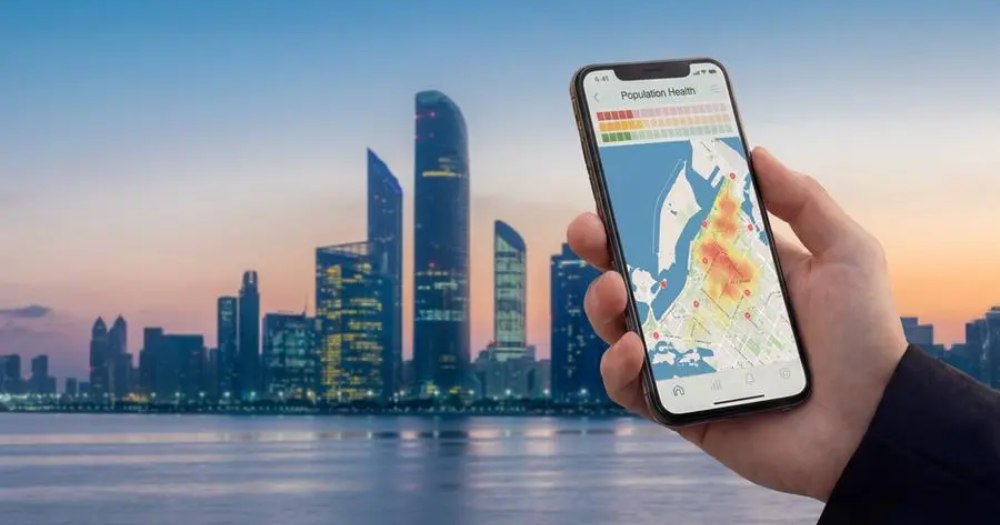
The world is hurting for better ways to keep people healthy before they get sick. Despite life expectancy more than doubling since 1800, many folks still spend half their lives in poor or only fair health. Chronic disease is on the march, expected to cost trillions by 2030, and huge swaths of the global population still lack access to early detection tools.
In response, Future Health – A Global Initiative by Abu Dhabi and MIT Solve just launched a big new challenge. It's designed to unearth technologies and ideas that use "sensing" to detect and predict health patterns early, long before traditional healthcare ever gets involved.
How does it work?
At its core, this is a global innovation drive with muscle and money behind it:
- It's called the Future Health Challenge: Building Anticipatory Health Systems through Population Sensing and it's open worldwide.
- Innovators pitch solutions that help health systems sense what's coming, not just react to what's already happened.
- Shortlisted teams get to pitch in person at the Abu Dhabi Future Health Summit this April.
- A USD 200,000 grand prize awaits the winner, with two USD 50,000 awards for runners-up. There are also honourable mentions and wide mentorship opportunities.
- Beyond cash, winners get exposure, guidance, and access to Future Health's international networks to help scale their ideas into real-world impact.
Think of it as a fast-paced hunt for the smartest sensors, smart algorithms, and clever ways to turn community data into early warning signals for health risks.
Why does it matter?
Healthcare today is mostly reactive. You feel sick, so you go to a clinic. But what if systems could alert you — and the people around you — earlier? Sensing spans a wide range of methods, from simple community reporting to cutting-edge AI and wearable tech. These approaches help people, communities, and healthcare systems not just understand current conditions but anticipate how those conditions may evolve.
His Excellency Mansoor Ibrahim Al Mansoori, Chairman of the Department of Health – Abu Dhabi, nailed it when he said, "The Future Health Challenge is about fuelling a global shift from reactive care to true prevention." He wants societies to "recognise risk sooner, prevent disease, build more intelligent hospitals, and help people make informed choices that improve their health."
And that matters because chronic diseases continue to burden families and health systems everywhere. If we can sense the warning signs early — and act on them — we flip the script. Instead of coping with disease after the fact, we keep people healthier, longer and with far less strain on resources.
The context
This challenge is part of a broader effort by Future Health and MIT Solve to bring innovation out of labs and into the real world. Future Health is a global health platform championing research, collaboration, and investment across longevity, precision medicine, digital health, and more.
MIT Solve is no slouch either. It's a Massachusetts Institute of Technology initiative that runs open innovation challenges worldwide. Solve has spent nearly a decade backing tech and social ventures tackling big problems from health to education to climate change, and it has a track record of helping solutions scale and stick.
The winners from these types of challenges often go on to influence health policy, direct investment flows, and shape how health systems rethink prevention rather than reaction. In an era where data is everywhere and sensing technologies are exploding, this initiative could be a turning point in how we understand and action population health — not just treat disease.
Latest @
Tunisia bets on telehealth as it prepares to host Telehealth Connect 2026
Wearable AI system developed by Qatar medical students flags cardiac risk outside hospital
GLP-1 consultations surge 60% at Valeo Health as UAE weight management shifts toward continuous care
Abu Dhabi sends first health mission to China, targeting AI, cancer care and new drug development
UAE pharmaceutical chief meets Moderna co-founder in New York to explore manufacturing and R&D ties
💡Did you know?
You can take your DHArab experience to the next level with our Premium Membership.👉 Click here to learn more
🛠️Featured tool
 Easy-Peasy
An all-in-one AI tool offering the ability to build no-code AI Bots, create articles & social media posts, convert text into natural speech in 40+ languages, create and edit images, generate videos, and more.
👉 Click here to learn more
