

Study: Global use of wearable health tech to rise 42-fold by 2050?
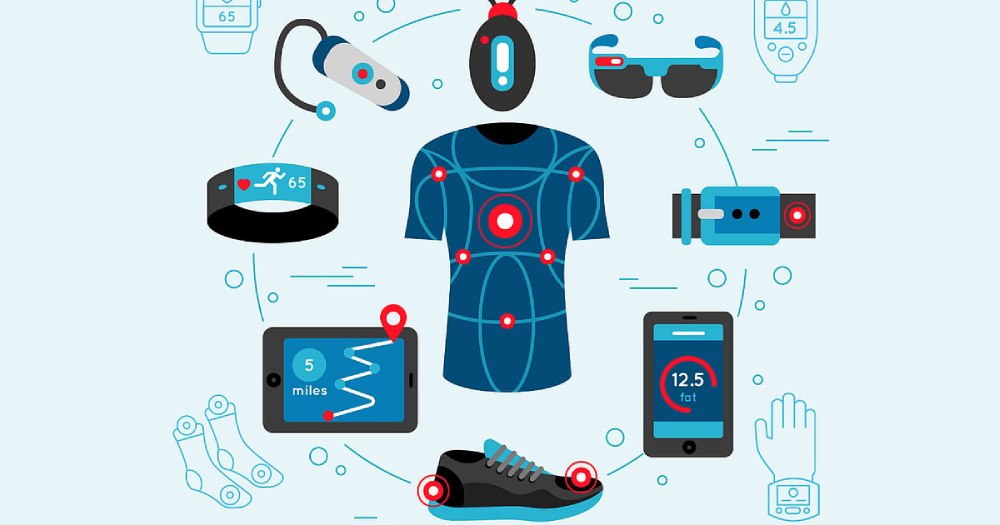
In a world where wearables are already part of daily life, a new study suggests we are only scratching the surface. By 2050, the use of wearable health technology could explode nearly 42 times over current levels, approaching two billion units a year. That's a tidal wave of tiny gadgets on wrists, arms, and maybe even under clothing, quietly tracking our bodies around the clock.
Highlights
- The projected rise in wearable health tech use is dramatic. Annual global consumption could climb 42-fold by mid-century.
- That surge would send 3.4 metric tonnes of carbon dioxide equivalent into the atmosphere every year.
- China and India are expected to lead in greenhouse gas emissions tied to these devices.
- The study looked at four types of devices: glucose monitors, heart monitors, blood pressure monitors, and ultrasound patches.
- Non-invasive continuous glucose monitors are expected to dominate, making up about 72% of usage by 2050 and possibly outselling smartphones today.
- Switching to recyclable or biodegradable plastics helps only a bit. Smarter design choices matter more.
Why does it matter?
This is a big deal on more than one front. At first glance, wearable health tech looks like empowerment and prevention rolled into one sleek package. But the scale of growth brings hard questions: how will this tech impact the planet? How will health systems handle the data, power needs, and waste? And what happens when billions of devices end up in landfills or clog supply chains?
One of the study authors paints it plainly: small choices add up quickly when devices are deployed on a global scale. Nearly every device creates emissions over its life cycle, from mining raw materials to disposal. That insight should make even seasoned tech watchers pause and ask whether the industry is ready to balance innovation with ecological responsibility.
The context
Wearable health tech isn't new. Devices that count steps, monitor heart rate, and even track glucose without needles have been around for years. What's new is the scale at which scientists now believe these tools will be adopted. Growth isn't just steady. It's exponential. By 2050, continuous glucose monitors alone could outsell smartphones, which is staggering considering smartphone sales are about 1.2 billion units now.
Researchers from Cornell University and the University of Chicago used lifecycle assessments for this analysis. They didn't just guess at future demand. They modeled how devices are made, used, and thrown away to understand true environmental costs. What they found was blunt: switching to greener plastics helps only slightly. Cutting back on rare metals and optimizing electronics design does far more to cut emissions.
Environmental concerns aren't fringe anymore. As wearable health tech integrates into healthcare systems, its footprint becomes part of a larger sustainability story. If every person on Earth has a device that needs power and eventually replacement, supply chains, recycling systems, and climate policy all come into play. The promise of better health care must walk hand in hand with care for the environment.
Latest @
Blueprint lands in the UAE as longevity moves from policy to product
M42 launches 10,000-patient wearable pilot in Abu Dhabi to reshape chronic disease care
Unilabs Middle East and Takalam link diagnostics to mental health in one app
Al Ghurair enters healthcare with Trellis Health launch in Dubai
💡Did you know?
You can take your DHArab experience to the next level with our Premium Membership.👉 Click here to learn more
🛠️Featured tool
 Easy-Peasy
An all-in-one AI tool offering the ability to build no-code AI Bots, create articles & social media posts, convert text into natural speech in 40+ languages, create and edit images, generate videos, and more.
👉 Click here to learn more
