

A skin cream that could replace insulin injections
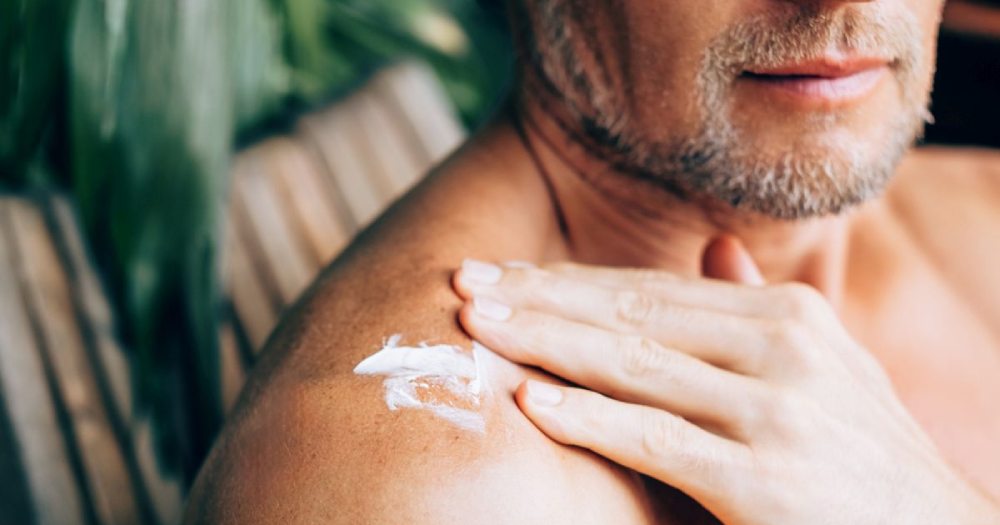
For decades, insulin has meant needles. Bruised skin. Cold morning injections. A routine that millions of people with diabetes know too well. Now, scientists in China are inching toward a future that feels almost science fiction. Imagine getting insulin from a simple cream on your skin. No needles. No sting. Just a daily ritual as ordinary as applying moisturizer.
As one research group puts it, "The skin permeable polymer may enable non-invasive transdermal delivery of insulin, relieving patients with diabetes from subcutaneous injections," and perhaps making room for a new generation of treatments.
How does it work?
The challenge has always been cruelly simple. Insulin is large and water-soluble. Skin is oily and protective. These traits do not get along. Insulin bounces off the surface rather than sneaking through.
So the team designed a clever workaround that uses something most of us never think about: skin acidity.
Here is the idea:
- Skin is slightly acidic at the surface
- Acidity decreases as you move deeper into its layers
- A special polymer called OP changes its properties along that gradient
On the outside of the skin, OP carries a positive charge. That charge helps it latch onto lipids in the outer barrier. As it travels deeper, into a more neutral environment, OP releases its charge and lets go. It slips inward.
By binding insulin to this polymer to create what the team calls OP I, the hormone gets a free ride. It passes through the gatekeepers and enters the bloodstream, much like a guest escorted past security. In diabetic mice, insulin delivered this way brought blood sugar back to normal within an hour and kept it steady for up to 12 hours. Tests in diabetic mini pigs showed similar results. Not only did OP I enter the body, but it also reached the liver, muscle, and fat where insulin is actually used.
Why does it matter?
Needles work, but they are a burden. They hurt. They require vigilance. They can limit where you go and how freely you live. A cream could change the rhythm of care. It could make treatment easier for children, for older adults, for anyone tired of injections.
More striking is the long tail of possibility. Research suggests that OP I may provide smoother, longer-lasting effects than standard insulin shots. There were "no signs of inflammation" in early testing. And this platform may not stop at diabetes. As the scientists write, "The OP conjugation is versatile for transdermal delivery of biomacromolecules such as peptides, proteins and nucleic acids, with broad therapeutic applications."
The context
Drug delivery through the skin has been a dream for years. Many medicines work well this way, but insulin never joined the club. Its size and chemistry closed the door. This new polymer is the latest attempt to pry it open.
It is early work. The models so far include mice, mini pigs, and lab-grown human skin. Successful human trials will decide its fate. If the results hold, the medicine cabinet of the future may look radically different. Instead of syringes, we may find small jars and tubes waiting beside toothpaste.
It reads almost poetic. A hormone once tied to steel and anxiety could soon float through skin like a whisper. The research community is cautious, hopeful, hungry for what comes next.
Latest @
Blueprint lands in the UAE as longevity moves from policy to product
M42 launches 10,000-patient wearable pilot in Abu Dhabi to reshape chronic disease care
Unilabs Middle East and Takalam link diagnostics to mental health in one app
Al Ghurair enters healthcare with Trellis Health launch in Dubai
💡Did you know?
You can take your DHArab experience to the next level with our Premium Membership.👉 Click here to learn more
🛠️Featured tool
 Easy-Peasy
An all-in-one AI tool offering the ability to build no-code AI Bots, create articles & social media posts, convert text into natural speech in 40+ languages, create and edit images, generate videos, and more.
👉 Click here to learn more
