

These smart earrings can track blood flow to your head
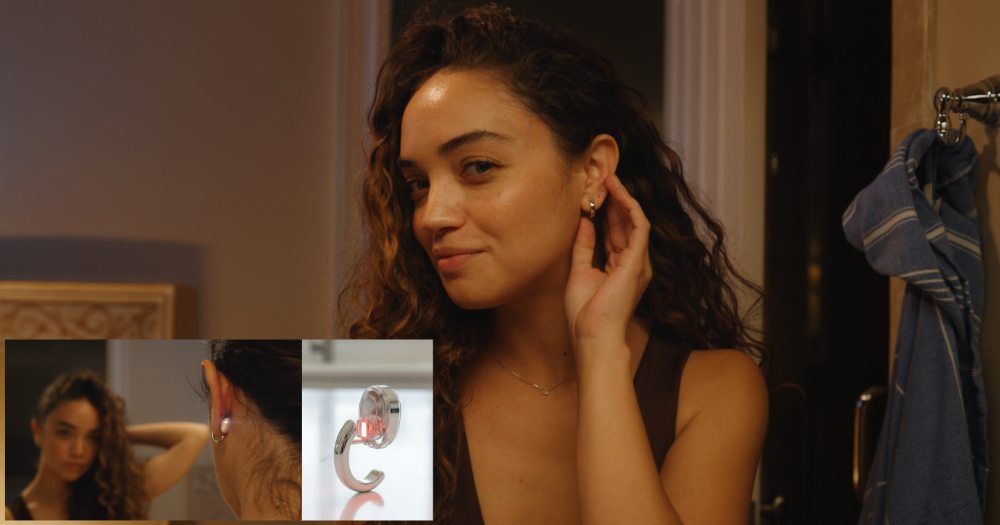
Every so often, a gadget tiptoes into the world and quietly rewrites the rules. Lumia 2 does exactly that. It looks like fine jewelry that could have come from a boutique on a quiet Paris street, yet it hides a tiny health lab behind its shine. These smart earrings watch the ebb and flow of blood traveling to your head in real time. They whisper clues about your energy, your focus, and the foggy moments when your brain feels like it is trudging through molasses.
The idea was born in clinics and research labs at Johns Hopkins, Duke, and Harvard. It was first created for people wrestling with chronic blood flow challenges like POTS or lingering issues from long COVID-19. Now this once-clinical tool has stepped into the consumer world with an easy confidence that anyone can use it.
As Daniel Lee, the co founder and chief executive of Lumia, put it, "This is what comes after smart rings." He is not exaggerating. Lumia 2 looks like jewelry yet works like a quiet partner who pays attention when your body does not.
How does it work?
Inside each small earring back sits the Lumia Core. It holds the second-generation PreciseLight sensor with processors, a battery, and a handful of health sensors nestled close to two places that matter most for insight. Your heart and your brain. That placement is the magic trick. It picks up signals that wearables on your wrist or finger simply miss.
Lumia Earrings are built for daily life. They are slim, friendly to sleepers who toss and turn, and made from materials like platinum and titanium for sensitive skin. The Core clips only to the left ear. The earrings come as a pair. The system locks securely, so you don't have to crawl on the carpet looking for a missing piece. And the battery packs pop in and out, so charging never forces you to remove the earrings. Each pack lasts about a week.
The company even created different styles. Huggie hoops, cuffs, studs. Gold, silver, clear. Or you can attach the Core to your own jewelry through its SwitchBack system. The cuff version does not need a pierced ear. It all fits into less than one gram of hardware. That makes Lumia one of the smallest wearables ever built and much smaller than something like wireless earbuds.
Beyond blood flow, Lumia 2 adds sleep insights, temperature tracking, menstrual cycle cues, and readiness scoring. These features benefit from the ear's stable sensing spot, which stays accurate through your daily ups and downs.
Why does it matter?
Everyone knows the feeling. A wave of dizziness, a foggy brain, a sudden crash after lunch. Your heart rate seems fine. Your blood pressure looks fine. Yet you feel off. Lumia tries to shed light on those mysteries by continuously tracking blood flow. Its correlations with ultrasound tests at top research institutions are highly accurate.
Blood flow shifts all day. A glass of water. A carb-heavy lunch. A slouch in your chair during a long meeting. Morning exercise that lifts your circulation for hours. Lumia connects these everyday choices to how you feel. You begin to see patterns. You begin to understand your own physiology instead of guessing and hoping.
Lee shared one observation from the team's own experience. "From seeing how the way you sit affects your blood flow and cognitive performance, to visualizing the consequences of your carb-heavy lunch choice in your post-lunch dip, to seeing how morning exercise can boost your circulation for the rest of the day, the transformative personal revelations have been endless." It is a rare thing when a wearable moves from counting steps to explaining the story behind your energy.
The context
Lumia 2 arrives at a moment when wearables are everywhere, yet somehow feel the same. Watches, rings, straps. People want data that actually makes sense of their bodies without asking them to change their style or daily habits. Earrings offer a fresh path. They feel natural. They match personal taste. They stay close to the parts of the body where physiology speaks the loudest.
The company behind Lumia has spent years miniaturizing sensors, from Bose sleepbuds to earlier versions of Lumia. The team has also secured new investment of seven million dollars alongside government contracts and grants worth just over five million dollars. Total funding has reached $17.2 million. That support reflects a belief that blood flow could become a key health metric for everyday life.
Lumia 2 will land first in the United States and Canada, with more regions on the horizon. It works on both iOS and Android. Lumia 1 is open to the public as well, and early customers can upgrade to Lumia 2 through the company's Edge Access Membership.
A wearable that began its life in clinical research has stepped into the mainstream. It does not shout. It glimmers. And behind that glimmer sits a new way to understand your own body.
Latest @
Blueprint lands in the UAE as longevity moves from policy to product
M42 launches 10,000-patient wearable pilot in Abu Dhabi to reshape chronic disease care
Unilabs Middle East and Takalam link diagnostics to mental health in one app
Al Ghurair enters healthcare with Trellis Health launch in Dubai
💡Did you know?
You can take your DHArab experience to the next level with our Premium Membership.👉 Click here to learn more
🛠️Featured tool
 Easy-Peasy
An all-in-one AI tool offering the ability to build no-code AI Bots, create articles & social media posts, convert text into natural speech in 40+ languages, create and edit images, generate videos, and more.
👉 Click here to learn more
