

M42 and Siemens Healthineers set their sights on Africa
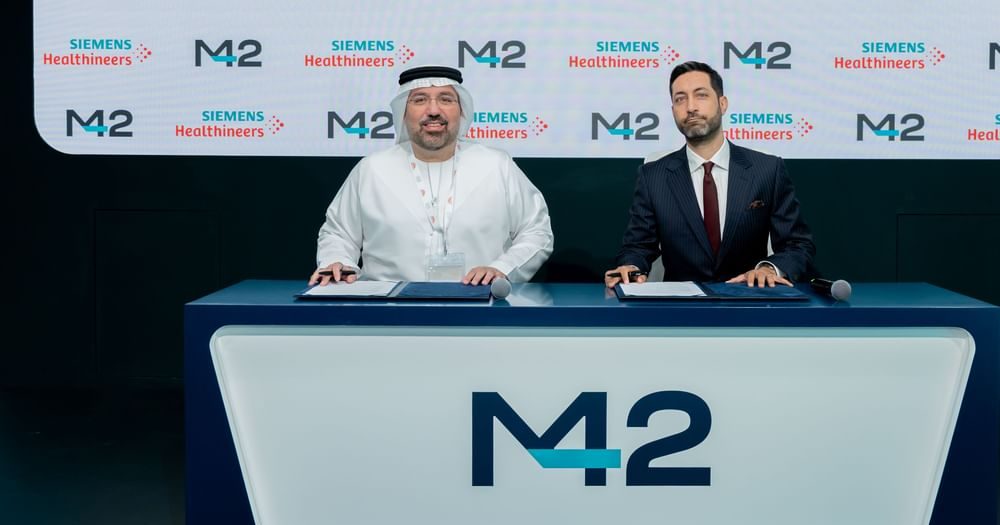
Most health partnerships between Gulf and European companies end up serving Gulf patients. This one is pointed elsewhere. M42, the Abu Dhabi-based health group built around AI and genomics, has signed a Memorandum of Understanding with Siemens Healthineers to work on healthcare in the Global South, with Africa as the clear priority.
An MoU is a statement of intent, not a contract. The announcement sets a direction rather than naming hospitals, budgets or timelines. But the pairing is worth watching, because each side holds something the other needs.
How will it work?
The public details are limited so far. What the partners have described is a joint effort to advance healthcare transformation in emerging markets. M42 brings data, genomic expertise and digital health platforms. Siemens Healthineers brings imaging, diagnostics and laboratory equipment, plus decades of experience installing and servicing it in difficult conditions.
Collaborations like this usually revolve around a few practical areas:
- Diagnostic and imaging capacity in under-served regions
- AI tools that help clinicians read scans and test results
- Genomic screening and precision medicine programmes
- Training for local health workers and technicians
Which of these comes first will depend on the partner governments and health systems that sign on.
Why does it matter?
Africa carries about a quarter of the world's disease burden but has a small fraction of its diagnostic equipment and specialists. Many countries have a handful of radiologists for millions of people. Technology alone does not fix that. But AI-assisted reading and remote support can stretch scarce expertise further than any hiring drive.
Genomics is the other gap. African populations are badly under-represented in global genetic databases, which means drugs and risk models are often tuned to other people. M42 has run the Emirati Genome Programme and built population-scale sequencing capacity in Abu Dhabi. That experience is relevant, and so is the lesson that data must be collected and governed with local ownership in mind.
So the real test is whether this becomes a long-term build-out or a series of pilot projects. Africa has seen plenty of the latter.
The context
M42 was formed in 2023 through the merger of G42 Healthcare and Mubadala Health. Its portfolio includes Cleveland Clinic Abu Dhabi, the dialysis provider Diaverum and genomic research centres. Siemens Healthineers is one of the biggest names in medical imaging worldwide.
For the GCC, the deal fits a wider shift. Gulf states are no longer only importing health technology. They are becoming exporters of expertise, capital and models of care, in line with UAE foreign policy that treats health as a tool of partnership and with Saudi Vision 2030's push for a more outward-looking health sector. Africa is a natural destination given trade, investment and diaspora ties.
Policymakers should watch the follow-through. If the first projects arrive with local training, clear data rules and sustainable financing, the model could be copied by other Gulf players. If not, it will be one more announcement. The ambition is right. Delivery is what counts now.
Latest @
M42 and Siemens Healthineers set their sights on Africa
M42 launches Ossi, a multi-agent AI platform built to give clinicians their time back
Healthpoint brings Proximie into its Abu Dhabi operating rooms
Microsoft's AI doctor works up a case step by step, and beats the physicians
💡Did you know?
You can take your DHArab experience to the next level with our Premium Membership.👉 Click here to learn more
🛠️Featured tool
 Easy-Peasy
An all-in-one AI tool offering the ability to build no-code AI Bots, create articles & social media posts, convert text into natural speech in 40+ languages, create and edit images, generate videos, and more.
👉 Click here to learn more
